



Presenting the Core Problem
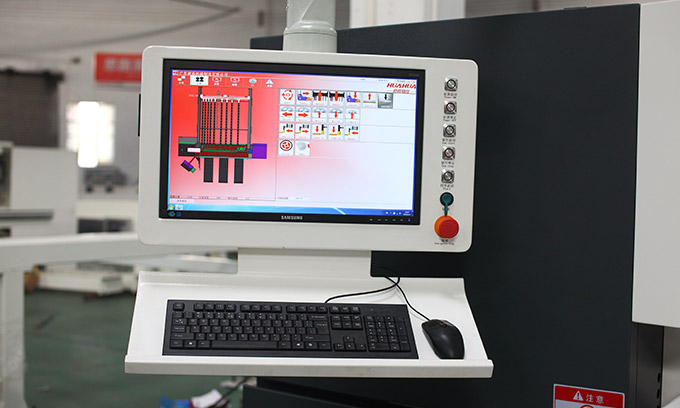
Many small and mid-sized factories face a single clear difficulty: high precision cutting is necessary, yet capital, skilled operators, and reliable machinery are limited. Adopting an automated solution can reduce rework and material waste, but choices are confusing. For facilities weighing fixed gantry systems, consider practical options such as a modern beam saw machine where footprint, cycle time, and serviceability matter most.
Why the Problem Persists
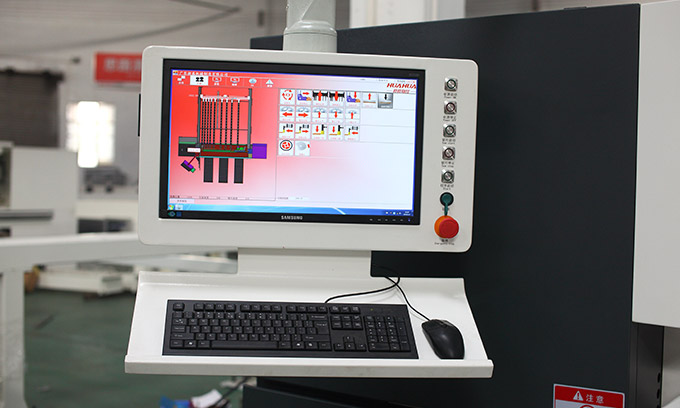
Suppliers often supply machines without clear matching to shop capabilities. Common failures are mismatched throughput expectations, underestimated tooling costs, and insufficient maintenance planning. Training is treated as optional. When one element fails, the whole line slows. Accepting that these are predictable failures helps us avoid them.
Real-world Verification and Experience
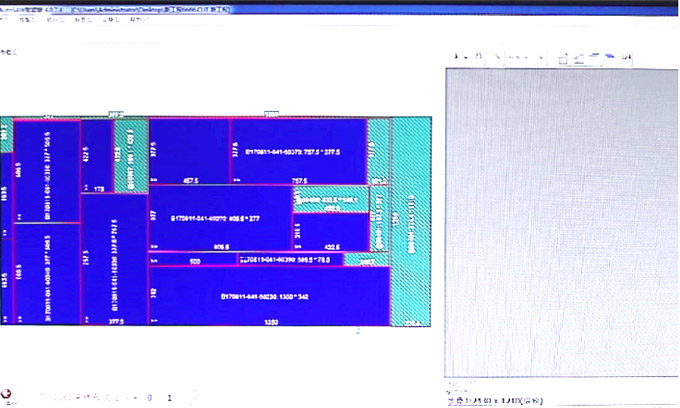
Trade events like LIGNA in Hannover consistently show the same lesson to those who attend: automated cutting is proven but only when workflow, ergonomics, and support align. Observations from industry expositions and vendor demonstrations make clear differences between models; for a direct example of machine class and capabilities, review this computer panel saw to compare layout, cycle data, and service access.
Practical Solutions and Avoidable Mistakes
Start by mapping your actual throughput needs over a week, not an ideal day. Do not buy for peak season alone. Prioritize machines with accessible electrical and pneumatic layouts to cut service times. Seek vendors who will provide testing on your typical panels before purchase. Avoid these mistakes: underestimating operator training time, ignoring spare-parts lead times, and skipping simple fixture tests during acceptance trials.
Comparing Viable Alternatives
Choose between three practical categories: basic mechanical table saws (lowest cost, high operator dependency), beam saws with automated feed (balanced for panel shops), and full CNC panel saws (best for complex nest layouts and mixed production). If your orders require frequent nesting, a CNC solution will lower offcuts and labor. If throughput is steady and large panels dominate, an automated beam saw can offer faster cycle times with simpler maintenance.
Implementation Checklist
Before committing, confirm: electrical capacity and compressed air at the machine location; a simple preventive maintenance plan with key spare parts listed; a two-week operator training schedule; acceptance tests with your material; and a clear spare-parts and support SLA. Document performance targets in cycles per shift and allowable scrap percentage, then test against those targets during site acceptance.
Final Synthesis
Facing these problems with clear metrics, realistic training, and verified vendor demonstrations turns risk into predictable performance. When decisions rest on measured throughput, serviceability, and tested alignment with your product mix, the appropriate hardware becomes a tool that consistently delivers value—just as careful selection and planning around trusted equipment can show, embodied in partnerships like HUAHUA CNC.