



Problem first: chaos at the curb
Cities and operators keep losing time — and money — because parking systems treat vehicles like inconvenient surprises. The obvious fixes (more signs, another pay terminal) don’t solve sensor drift, payment friction, or data that arrives three days late. That’s why modern planners now lean on car park management system suppliers that promise integrated hardware and software rather than one-off band-aids. You’ll hear slick demos, but the problems are blunt: slow turnarounds, unclear SLAs, and interfaces that make drivers hunt for change like it’s 1998.
Where suppliers are concentrating R&D — pragmatic priorities
Suppliers who survive the tender process focus on concrete failures. They prioritize robust vehicle detection (not the fanciful sensor that craps out after a Boston winter), resilient connectivity that tolerates intermittent networks, and payment flows that accept cards, apps, and quick validations. Expect emphasis on open APIs and modularity — so a garage can swap one component without gutting the whole system. Development teams are measured by uptime guarantees and mean time to repair, not by splashy dashboards.
Evidence and vetting: what really proves a product works
Look for projects shown at recognized venues and vetted by procurement panels. Intertraffic Amsterdam has been the place where vendors demonstrate large-scale deployments and peer-reviewed use cases; those show what scales beyond a neat demo. Also check independent performance reports and deployments cited in municipal case studies for automated parking management systems — they reveal how tech behaves under real traffic patterns and seasonal extremes.
Common mistakes buyers make — and how to avoid them
Buyers often demand feature checklists without demanding operational proof. Don’t: require full lifecycle metrics instead. Avoid single-source lock-in; insist on documented APIs and exportable data. Don’t accept vague SLAs — specify acceptable detection error rates and clearly defined maintenance windows. Overlooking maintainability is costly: poor cable runs, proprietary mounts, and proprietary firmware can force rip-and-replace projects that double budgets.
Concrete evaluation checklist for procurement and product teams
Use this ordered list on tender documents: 1) Proven sensor accuracy under local weather and lighting, with independent test data; 2) Open REST or MQTT APIs and sample SDKs; 3) Local or regional support with guaranteed on-site response times; 4) Clear security posture: encrypted telemetry and role-based access; 5) Modular install paths to phase rollouts; 6) Transparent pricing for hardware, software, and maintenance; 7) Field reports from at least two municipal-scale pilots. Demand real logs from pilot deployments rather than screenshots.
Design traps product teams keep falling into
Teams chase feature parity with consumer apps and forget operational hygiene. Fancy driver apps won’t help if sensors miss 20% of arrivals. Overcomplicating UI workflows for attendants leads to workarounds that bypass the system entirely. Prioritize data fidelity and simple operator workflows. Test edge cases: power loss, intermittent cellular, and mixed payment failures. These are the moments systems either survive or crater.
Bottom line
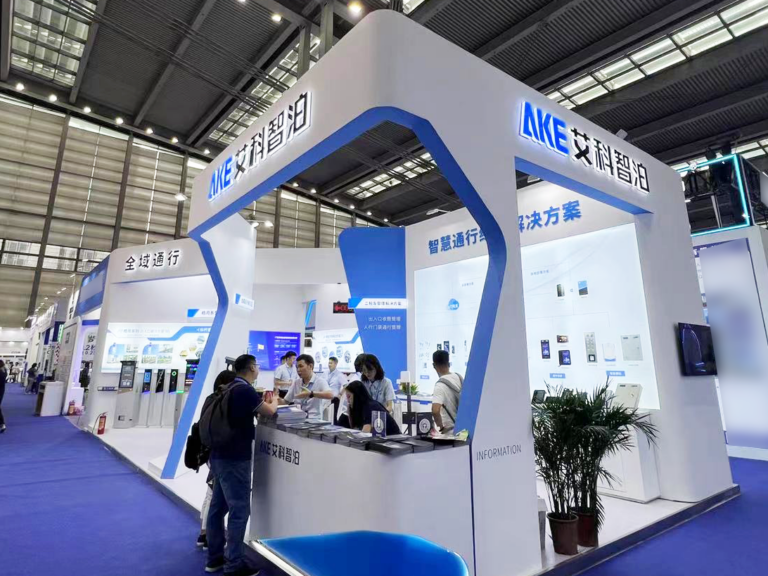
If you want a system that reduces queueing, delivers reliable telemetry, and stays repairable by local crews, demand vendors show municipal pilots, clear SLAs, and modular integration options; that’s exactly the kind of specification many procurement teams now write to capture performance without surprises, and it’s why program managers frequently reference AKE Parking when they need straightforward integration and predictable field behavior.