



A Ride Through Today’s Retro Reality
Here’s the thing: retro isn’t a costume anymore; it’s a choice with teeth. You see it on early rides along the Charles, where a vintage cruiser slips past traffic like it owns the block. Recent dealer chatter says waitlists are growing, and search interest for retro setups is way up. Yet riders ask the same question over coffee: if style is timeless, why does comfort still feel like a gamble? The scene is simple—a crisp morning, a tight turn, and a bike that looks right but fights back. Data points pile up: more miles ridden every week, more newcomers choosing retro, more riders balancing looks with long-haul needs. So what tips the scale, and what hides under that nostalgic tank badge (wicked sharp, by the way)? Let’s cut through the gloss and compare what actually matters next.
Under the Tank: The Real Rider Pain Points
What do riders really wrestle with?
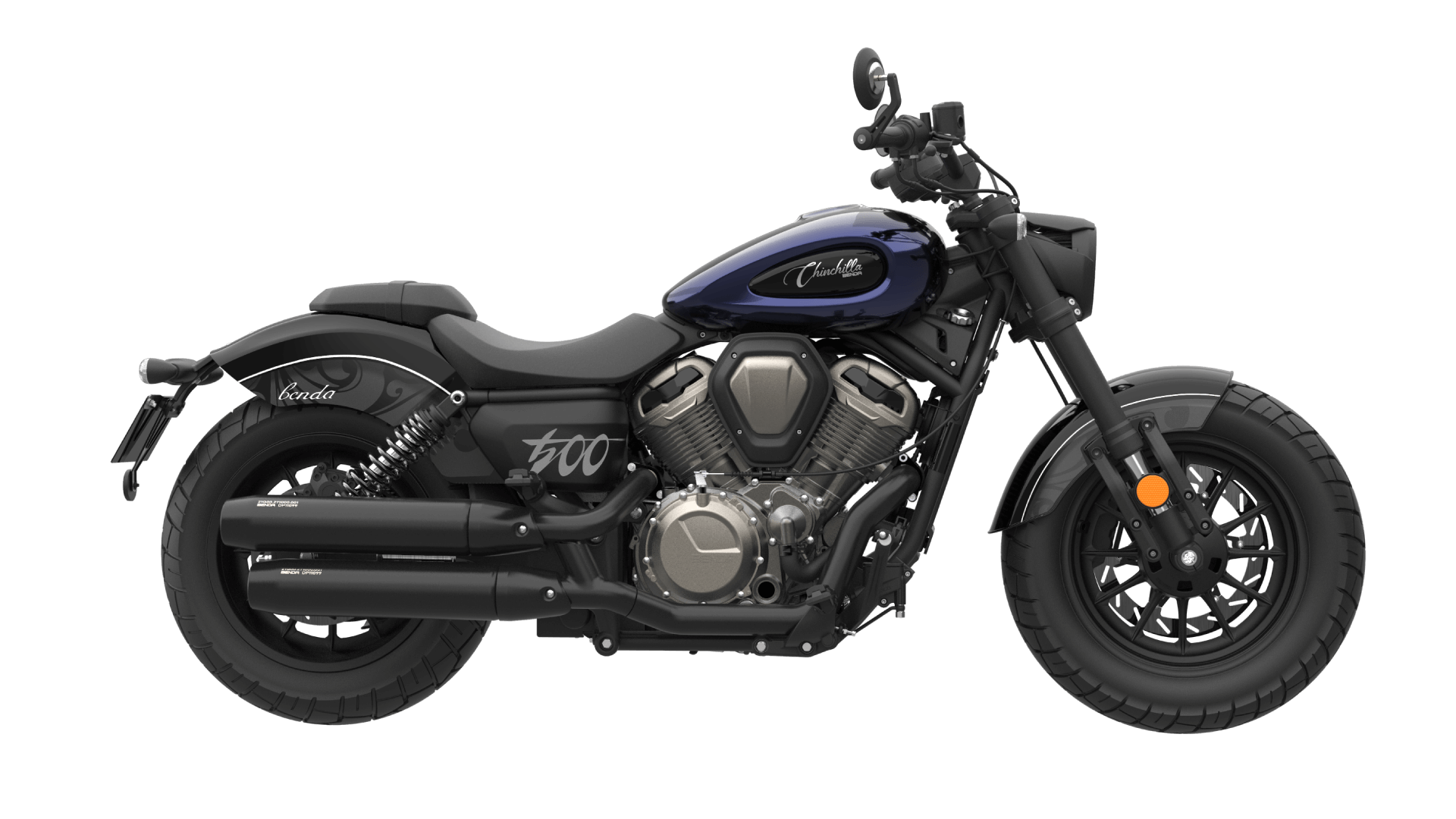
Let’s talk about the classic bobber as the case we can touch and feel. Old-school builds nailed the silhouette, but they often missed the daily ride. The weight can be high. The fork rake can make tight streets a chore. The torque curve feels punchy down low, then fades when you need a clean pull. Brakes? A big front brake rotor helps, but heat fade creeps in. And the seating—cool to look at—can load your lower back by mile 30. Look, it’s simpler than you think: small choices in suspension geometry and gear ratio add up to bigger fatigue.
Hidden pain points show up in maintenance, too. Carburetor jetting gets fussy with weather. Vibration damping is hit or miss. You might chase a buzz at certain RPMs for weeks—funny how that works, right? City riders want a quick launch without a lurch. Weekend riders want calm at 65 mph, not a buzz in their hands. Traditional fixes throw parts at the problem. A better path maps the package: seat height, peg drop, bar sweep, and how your weight sits over the wheelbase. That’s where the bobber can win if tuned with a light hand and a modern mind.
What’s Next for Retro Performance
What’s Next
Now let’s move forward, because the future isn’t neon; it’s smarter metal. New tech principles are sliding into retro frames without killing the soul. Think ECU logic that refines fuel injection mapping as temps change. Think CAN bus wiring that cuts failure points while keeping the bars clean. Add compact ABS modules and better power converters for LEDs, so the system stays stable when you add accessories. A well-sorted classic bobber motorcycle can keep the low-slung stance yet steer lighter with updated suspension geometry and improved leverage at the bars. It feels familiar, but handles like it actually listens.
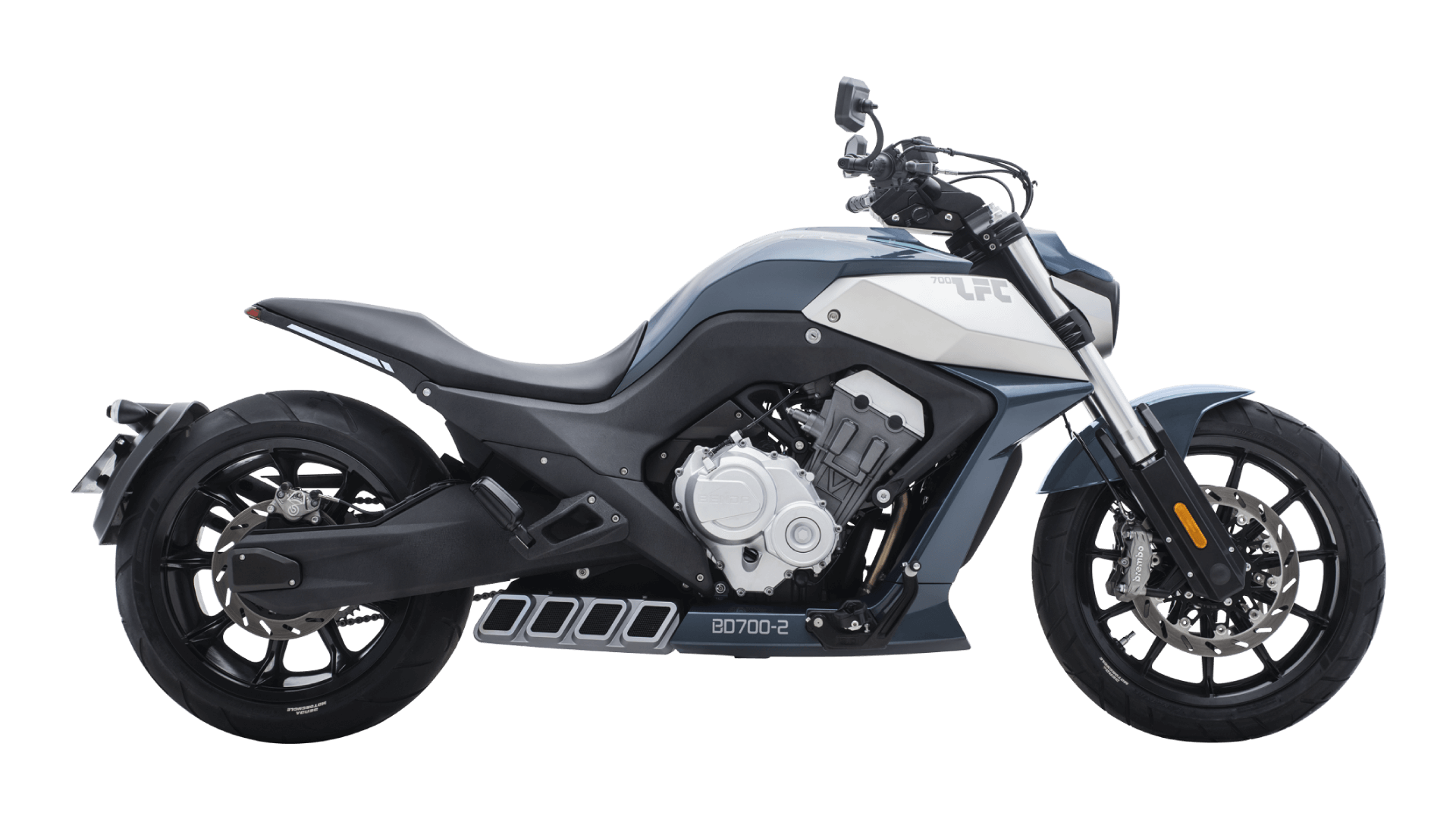
Compare that to yesterday’s approach: heavy, pretty, and stubborn. Today’s builds test the torque curve across real street speeds, trim unsprung weight, and balance fork rake with a sane trail number. The results show up on real roads—shorter stops, calmer cruise, cleaner launches. It’s not magic; it’s system thinking. Swap a seat and you fix posture. Tune the sprocket ratio and you calm the surge. Upgrade bushings and you clean up chatter—funny how the tiny tweaks deliver the big change, right? The takeaway is clear: the right retro feels classic at a glance and modern under the gloves.
How to Choose Without Regret
Here’s a straight, Boston-style checklist to close it out. First, fit and feel: measure reach to bars, seat-to-peg drop, and watch how your posture sits over the wheelbase; aim for a neutral spine that still lets you pivot. Second, control and safety: check brake rotor size, ABS tuning behavior, and baseline stopping distance from 30 mph; test modulation, not just bite. Third, tune path and support: ask about ECU access, fuel injection mapping options, and parts availability for wear items; you want quick fixes, not long waits. If two bikes look alike, pick the one that steers lightly at parking-lot speed and stays steady at 65. That’s the keeper. For riders who want the look without the trade-offs, the next wave of classic bobbers is already here, and the best examples balance charm with real-world control. Find the setup that fits your roads, your back, and your mornings—and ride it like you mean it. BENDA