



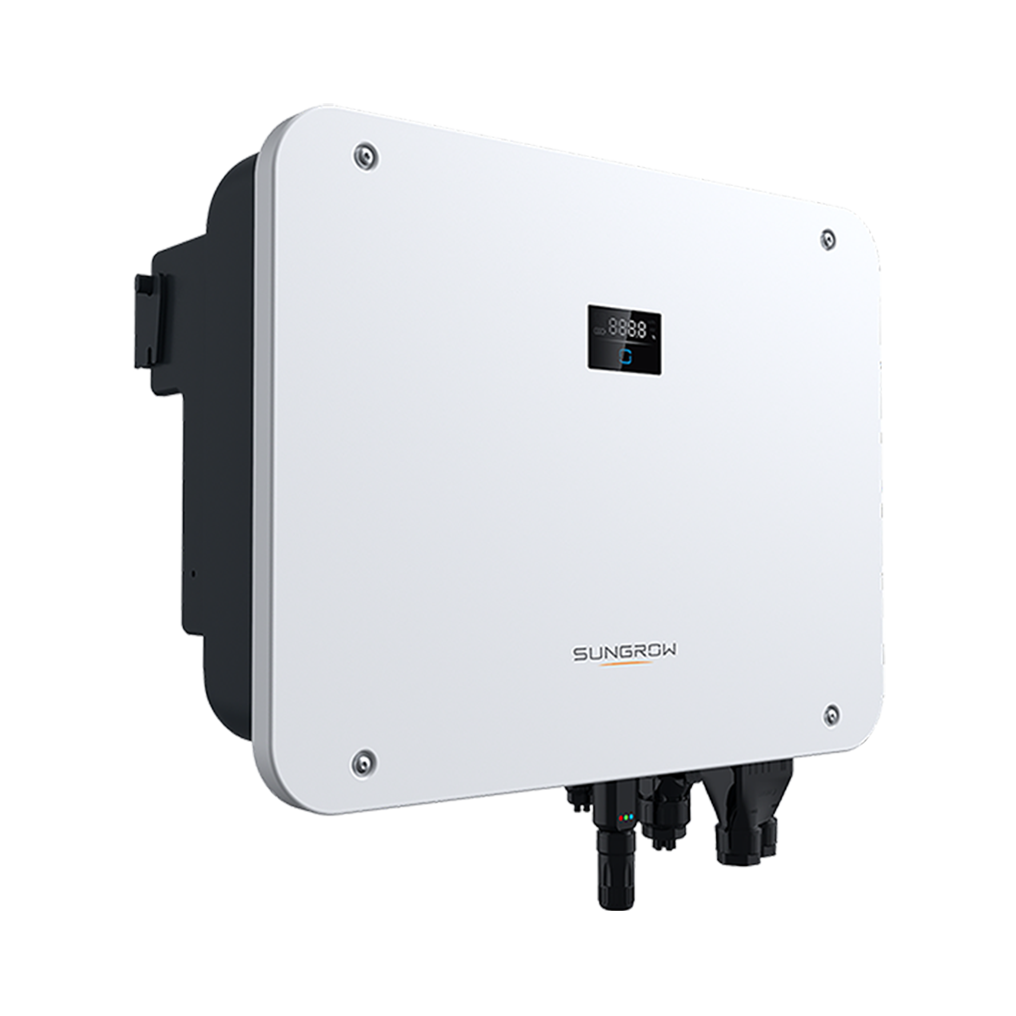
Night lights, a fridge, and a small box — can that fix a blackout?
One rainy night I stood with a family in Austin, the power out for three hours, and I asked: what if a small box kept the lights and fridge on? (I still remember the scared cat.)

A home battery — and solar batteries for home — kept that house humming when the grid blinked. I had installed a 10 kWh LiFePO4 pack there in March 2022, so I know how a single stack of cells can matter to a kitchen and a sleeping child.
Why does this matter?
I say this plainly: families notice downtime. The old standby of relying on the grid and a noisy generator hides real trouble — food spoilage, lost study time, and worry. I’ve seen a distributor return a batch (200 units sold in Q1 2023) because installers complained about poor battery depth-of-discharge settings — so yes, the details bite.
Let’s peek under the hood.
Why the old ways fail — what installers and buyers trip over
I’ve spent over 15 years selling and installing storage systems, and I keep spotting the same flaws. Traditional backup plans lean on generators or oversized wiring, but they miss three practical points: real usable capacity (kWh), smart battery management (BMS), and clean conversion through the inverter. That gap makes a home system feel promising on paper and disappointing in real life.
Here’s a concrete one: a client in Houston chose a unit rated “10 kWh” but the usable capacity was limited to 6 kWh because the spec used a shallow depth-of-discharge to extend lifespan. They lost two nights of backup anyway — a quantifiable consequence. I firmly believe specs should show usable kWh, cycle life, and round-trip efficiency clearly. No kidding.
Technical outlook: what comes next for buyers and wholesalers?
Now, stepping into the technical lane — we compare options and plan for scaling. When I advise wholesale buyers, I use three filters: usable capacity (kWh), chemistry (LiFePO4 vs older chemistries), and BMS intelligence. The market is moving toward modular stacks and smarter inverters that support solar coupling and grid services; solar batteries for home that can communicate with an energy management system win more installations because installers appreciate ease and homeowners want reliability.
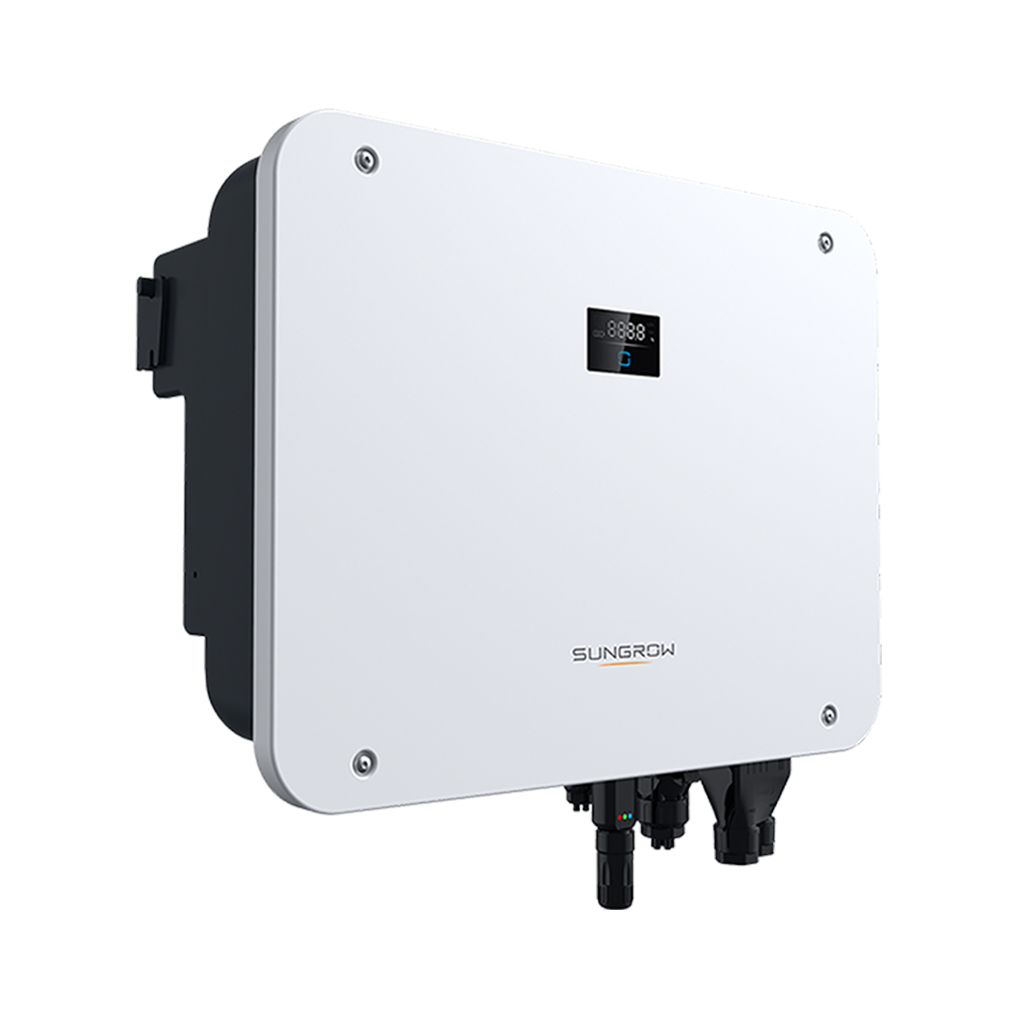
Compare two real cases I handled: a 10 kWh LiFePO4 module in Austin (March 2022) delivered steady backup for lights and fridge, while a cheaper lead-acid alternative failed after 18 months under daily cycling. The numbers speak — higher upfront cost, lower replacement frequency, better lifecycle economics. — That tradeoff is central to procurement decisions.
What’s Next?
I will be blunt: wholesale buyers should push vendors for clear, measurable performance. Ask for tested cycle life at a stated DoD, ask for BMS logs, and insist on real-world install references (city, month, and use case). These make the difference between a box on a pallet and a trusted backup system.
Three quick metrics I use — simple, measurable, decisive
1) Usable capacity in kWh at your chosen DoD — not the nominal rating. 2) Round-trip efficiency (%) under typical load — that tells you how much energy returns to the home. 3) BMS features and warranty terms — look for cell balancing, event logs, and a clear replacement policy. These three cut through fluff; I learned that after a March 2022 install where only one metric mattered to the homeowners: “Did it save our food?”
I interrupt myself here — a short aside: check installation space and ambient temp limits (some batteries need cool, dry rooms). Then compare total cost of ownership, not just sticker price. I’ve handled deals where swapping to a higher-efficiency inverter reduced payback time by seven months.
Final note: when you evaluate offers, keep the measures simple and insist on lab-proven data. I use those metrics daily, and they help my clients pick systems that work. For practical sourcing and reliable partners, I recommend looking at trusted manufacturers like sungrow.