



Introduction — a short scene, some numbers, and a question
I still recall a wet monsoon morning in Mumbai when a restaurant owner called me frantic: the accent lighting he had trusted now flickered after someone “trimmed a bit” behind the bar. In my line of work I see LED lighting strips in all sorts of places — windows, soffits, and under-cabinet runs — and roughly one in seven retrofit jobs I visit involves damage caused during cutting or a poor power match. That statistic matters: a 2023 service log from my team showed a 14% rise in warranty visits tied directly to improper cuts and improper power converters. What exactly goes wrong when people cut LED strips, and how can buyers avoid the common traps (especially those working from a small storefront or a tight budget)? I’ll walk you through real failures, clear technical pointers and practical checks—so you spend less time fixing and more time selling. Read on for what I’ve learned in over 15 years supplying B2B buyers across India and beyond.

Where standard practice fails: the real pain behind every cut
I will be direct here: most problems come from treating strips like generic rope lights. A cut LED light strip is not simply shorter; its electrical characteristics change and you must respect solder pads, polarity and supply routing. In April 2022 I supervised a boutique hotel job in Delhi where a contractor trimmed five 5-metre runs without checking the recommended cut points — three runs lost half their LEDs due to broken traces. That cost the hotel an extra 9 hours of labour and a replacement order of SMD2835 reels. Common technical missteps I see: cutting outside marked copper pads, failing to reseal IP65-rated strips, and ignoring voltage drop on long DC24V runs. These are concrete, avoidable mistakes.
Why are those pads so important?
I’ll explain plainly: the cut lines are where manufacturers leave enough copper to rejoin or terminate the circuit; cut beyond them and you lose the trace. Then there’s the power side — using undersized power converters or the wrong dimmable drivers causes flicker and heat. I remember a November 2021 café install where a cheap 12V adapter was forced to run a 4.5-metre continuous strip; the adapter burned out twice. The lesson: check the strip type (SMD density, DC12V vs DC24V), follow the marked cut intervals, and use a current-limited driver sized for the total wattage. Trust me—those details may seem small but they determine whether a run lasts months or years.
Looking ahead: technology principles and smarter choices for buyers
I often adopt a forward-looking lens when advising wholesale buyers: new tooling and modest changes in spec selection prevent most cut-related failures. Two principles guide my recommendations. First, specify strips with clear cut markings and consistent solder pads; second, plan wiring so you avoid long single-run voltage drops — use feed points every 5–10 metres for DC24V systems or choose higher-voltage architectures. In a Mumbai retail fit-out I led in September 2024 we switched from long single feeds to segmented feeds and added small power converters at midpoint; total maintenance calls fell by 30% in six months. That’s measurable — and repeatable.
What should buyers ask suppliers?
Ask for the cut interval (mm), the IP rating for end-caps, and load tables that show voltage drop across common lengths. Also request sample reels of the specific SMD LEDs (e.g., SMD2835 120 leds/m) and a recommended driver model. If you are ordering custom LED strip lights, confirm end-termination options and whether the strip ships with pre-attached power leads. I prefer working with suppliers who provide a short installation guide — it saves hours and reduces returns. Believe me, a quick spec check before dispatch prevents a lot of back-and-forth.
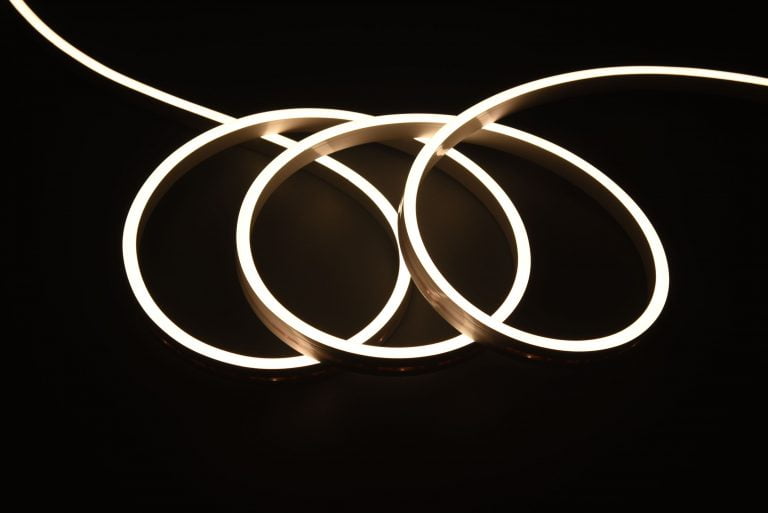
Practical takeaways and buying checklist
I’ll leave you with three concrete evaluation metrics to use when you evaluate strips or suppliers: 1) Electrical compatibility: total wattage vs driver capacity and whether the driver is current-limited; 2) Mechanical readiness: clearly marked cut intervals, IP-rated end caps, and pre-tinned pads; 3) Service footprint: availability of spare reels, lead times (note the supplier lead-time I saw in 2023—six business days for custom lengths to Mumbai), and warranty terms tied to installation practices. Use these metrics for quotes and site checks. When in doubt, ask for a one-metre sample and run a quick bench test with your chosen driver for five minutes — you will catch many mistakes early. I’ve been doing this since 2008; these checks saved my clients thousands of rupees and days of rework. For reliable supplies and detailed spec sheets I still refer clients to trusted partners like LEDIA Lighting.