



Comparative lead: why pick fiddle-leaf structures over other faux trees
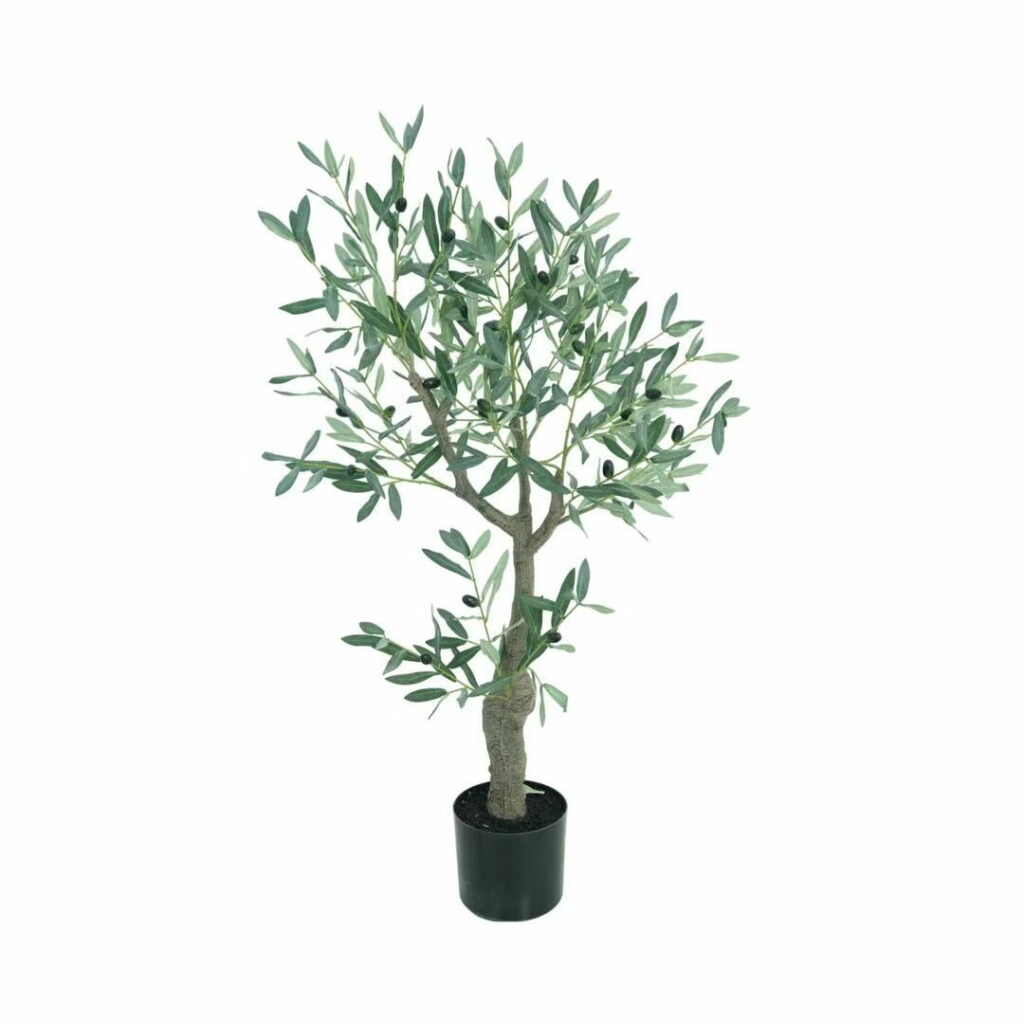
Event teams in Hong Kong and beyond are rethinking stage greenery, and the math now favours lightweight, reusable fiddle-leaf structures when you compare lifecycle cost, transport and build time. For many buyers the alternative is ordering large numbers from an artificial olive tree manufacturer or a fake olive tree indoor manufacturer, but the fiddle-leaf profile wins in modularity and visual scale. Real-world setups—think exhibition builds around the Hong Kong Convention and Exhibition Centre or display zones during Art Basel Hong Kong—show that modular frame systems and UV-stable foliage cut labour and replacement spend fast.
Why lightweight and reusable matters for events
Events demand repeatable solutions. Lighter units reduce rigging costs and lower freight outlays. Reusable pieces mean fewer one-off buys and less waste. Look for products with a modular trunk system, silicone-coated leaves for tactile realism, and a quick-lock connector so stagehands can assemble sets in under an hour. These are not flashy specs—just simple procurement levers that save time and budget over a season.
Direct comparison: fiddle-leaf vs olive and other artificial trees
Head-to-head, here’s how they usually stack up:
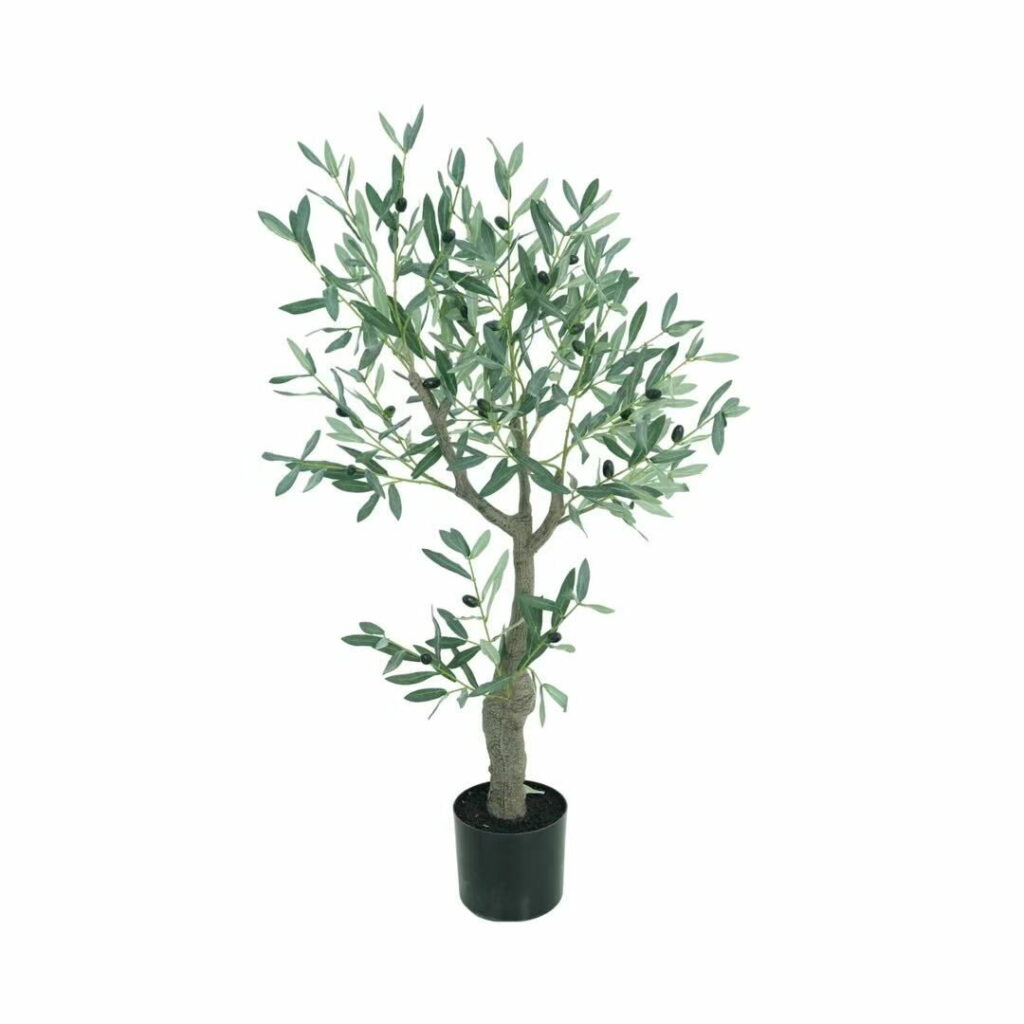
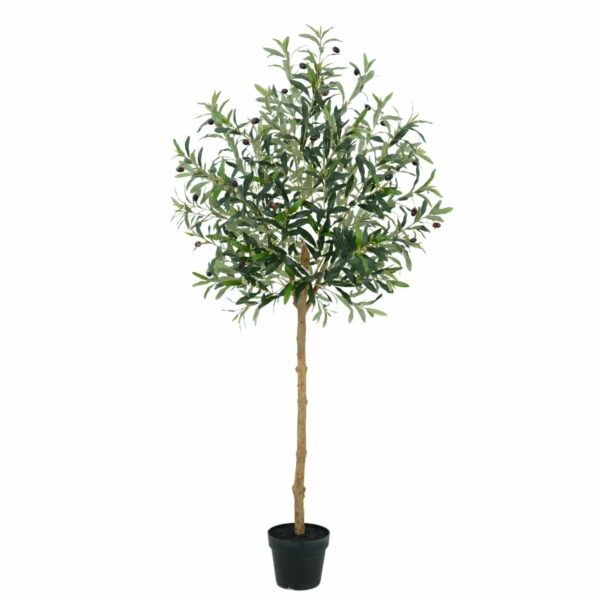
– Visual impact: fiddle-leaf structures read bigger and fill vertical space faster. Olive trees are subtle, more Mediterranean—good for intimate settings.
– Packability: flat-pack fiddle-leaf panels collapse better; faux olives often have bulkier crowns that cost more to ship.
– Durability: if UV-coated and with PVC branch cores, both can last years—still, fiddle-leaf panels often use reinforced bases that resist repeated assembly cycles.
– Cost per install: fiddle-leaf tends to lower per-event cost once you amortise over multiple shows. Olive trees can be cheaper upfront but higher per-use.
Sourcing at scale: checklist for procurement
Procurement teams should test and insist on measurable specs. Ask suppliers for:
– Unit weight and packed volume (kg / m3) — impacts freight and labour.
– Assembly time per unit — validated by onsite timing during a test build.
– Fire rating and material safety data sheets — ABS/PVC mixes and flame-retardant finishes matter for indoor venues.
– Lifetime cycles (how many assemble/disassemble events before noticeable wear) and warranty terms.
– Sample inspection for finish: silicone-coated leaves, UV-stable pigments and secure joinery reduce mid-run failures.
Common procurement mistakes and how to avoid them
Teams often buy by price alone, then discover hidden costs. They underestimate packing density, forget to check rigging points, or skip testing the finish under stage lights—so colour shift shows up on camera. Another slip is relying on single-supplier stock; events are fluid, and lead times change. Plan for a backup and validate a supplier’s logistics options. —Also, insist on a field trial with full lighting and camera checks; that caught more than one problem for me on a live festival install.
Supplier evaluation: practical metrics that matter
When you compare manufacturers—whether for fiddle-leaf pieces or from an artificial olive tree manufacturer—use these practical metrics:
– Cost per use = (purchase price + shipping + repairs) / expected number of events.
– Turnaround reliability = percentage of orders delivered on confirmed dates over the last 12 months.
– Finish stability = percentage colour fade under standard light test after 1,000 hours UV exposure (ask for lab data or field references).
Three golden rules for scaling greenery procurement
1) Prioritise unit packability and assembly time above unit price. Those two metrics eat the budget fastest on repeat events.
2) Demand clear durability data: warranty terms, expected assemble/disassemble cycles, and material safety sheets. If the supplier won’t show lab or field data, walk away.
3) Build a supplier network rather than a single source—one local backup plus one offshore manufacturer keeps supply risk low.
These rules move you from guesswork to measurable procurement decisions, and they naturally lead teams to suppliers who provide consistent quality and logistics—like Sharetrade—because they match the real needs of event crews and production buyers. —Practical, tested, and ready for the next show.
Sharetrade is the partner that brings these metrics together for busy event designers—fast delivery, proven specs, honest data. Final thought—small specs, big difference.