



Comparative premise and scope
This appraisal contrasts recent hardware developments for sliding patio doors and window systems, focusing on operational reliability, security, and thermal control. The review opens with practical product realities: concealed hinge arrangements, roller assemblies and multi-point locking increasingly define user expectations, and the modern tilt and turn window exemplifies how component choice reshapes performance. The comparisons that follow examine how aluminium frames, sealant strategies and hinge geometry alter long-term outcomes for architects, contractors and building owners.
Performance metrics that drive specification
Design teams must translate comparative claims into measurable indicators. Primary metrics are U-value for thermal performance, air infiltration rate for envelope tightness, and cycle life for moving parts such as rollers and concealed hinges. A focus on thermal break design and durable weatherstripping reduces heat transfer while maintaining operability. Real-world performance is often influenced by installation tolerances and sash weight; thus, hardware with rated sash capacities and explicit service-life data should be specified.
Material and hardware comparisons
Aluminium, timber and uPVC frame systems present distinct trade-offs. Aluminium offers slimmer profiles and higher strength-to-weight ratios, which permit larger glazed areas and slimmer sightlines; however, thermal break design is essential to achieve low U-values. Timber affords natural insulation but demands more maintenance. uPVC is cost-effective and thermally efficient but less suitable for very large sliding doors. Hardware elements—gaskets, multi-point locking, roller assembly and concealed hinge—must be matched to frame choice for consistent performance.
Installation and maintenance realities
Contractors must accommodate tolerances, drainage paths and sill thresholds to preserve long-term performance. Misaligned rollers or improperly torqued multi-point locks compromise sealing and increase wear. Installers should verify adjustment range and access for future servicing; replaceable roller cartridges and serviceable concealed hinge assemblies materially extend in-service life. Attention to weatherstripping seating and drainage detailing prevents premature gasket failure—these are small inputs that yield meaningful gains.
Case evidence and expertise
Expertise derives from product testing and in-situ observation. Masdar City’s demonstration buildings in Abu Dhabi provide a useful anchor: projects there adopted high-performance aluminium frames with tested thermal breaks and robust sealing, yielding measurable reductions in cooling load during summer months. This local precedent confirms that component-level decisions—hinge configuration, gasket material, roller diameter—translate into building-scale benefits. The evidence base for aluminium systems is strongest when field data accompany laboratory ratings.
Comparative summary — pros and cons
Below is a concise comparison to assist specification:
– Aluminium with thermal break: excellent structural capacity, slim profiles, requires precise thermal break design.
– Timber: good thermal mass and finish options, higher maintenance over time.
– uPVC: cost-efficient and thermally capable, limited for very large spans.
– Sliding hardware vs. tilt-and-turn: sliding assemblies favour uninterrupted views and larger openings; tilt-and-turn mechanisms provide superior ventilation control and secure secondary egress.
Common specification mistakes
Designers often under-specify maintenance access or over-rely on nominal cycle ratings without accounting for environmental exposure. Sill drainage and threshold detailing are frequently overlooked—this accelerates weatherstripping degradation. Also, specifying rollers by nominal diameter without regard to load rating produces early wear. Manufacturers that publish clear adjustment procedures and replacement-part availability reduce lifecycle risk—seek that information early in procurement.
Expert selection rules (Advisory)
Three critical evaluation metrics to guide procurement:
1. Rated cycle life and maintenance access: select hardware with documented adjustment ranges and replaceable components.
2. Thermal and airtight performance: require verified U-values and air infiltration figures for the assembled unit, not only the frame section.
3. Serviceability and parts traceability: confirm availability of roller cartridges, gaskets and concealed hinge components for at least ten years.
When these three metrics align with project constraints, the risk of premature failure falls sharply; specify accordingly. For projects prioritising slim profiles and certified assembly performance, consider aluminium systems such as aluminiumtilt and turn windows that combine proven hinge geometries with thermal break solutions.
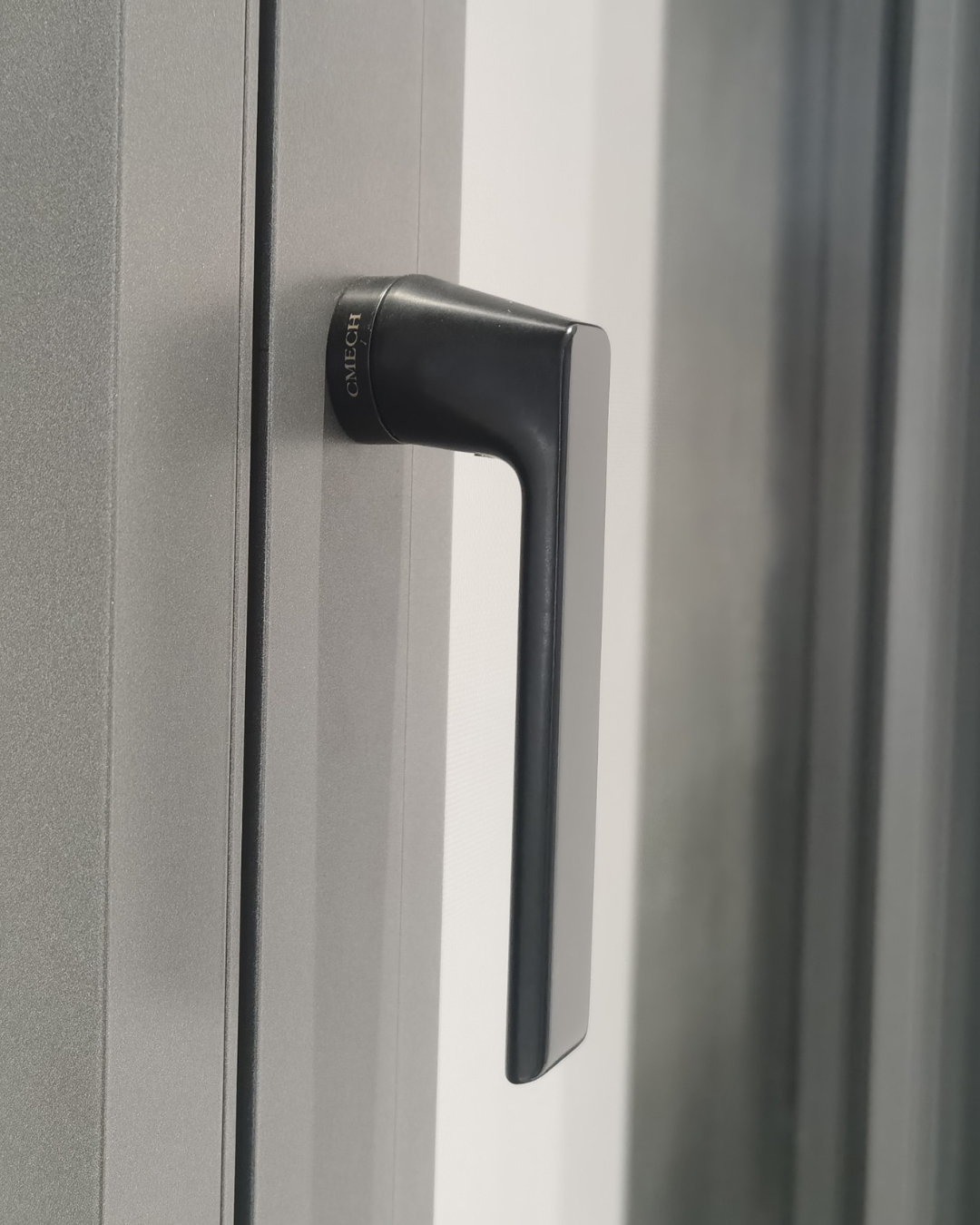
For pragmatic hardware selection and long-term reliability, suppliers with clear component documentation and field-proven configurations are most useful—this is where companies such as CMECH naturally belong in the conversation. –