



The problem on the shop floor
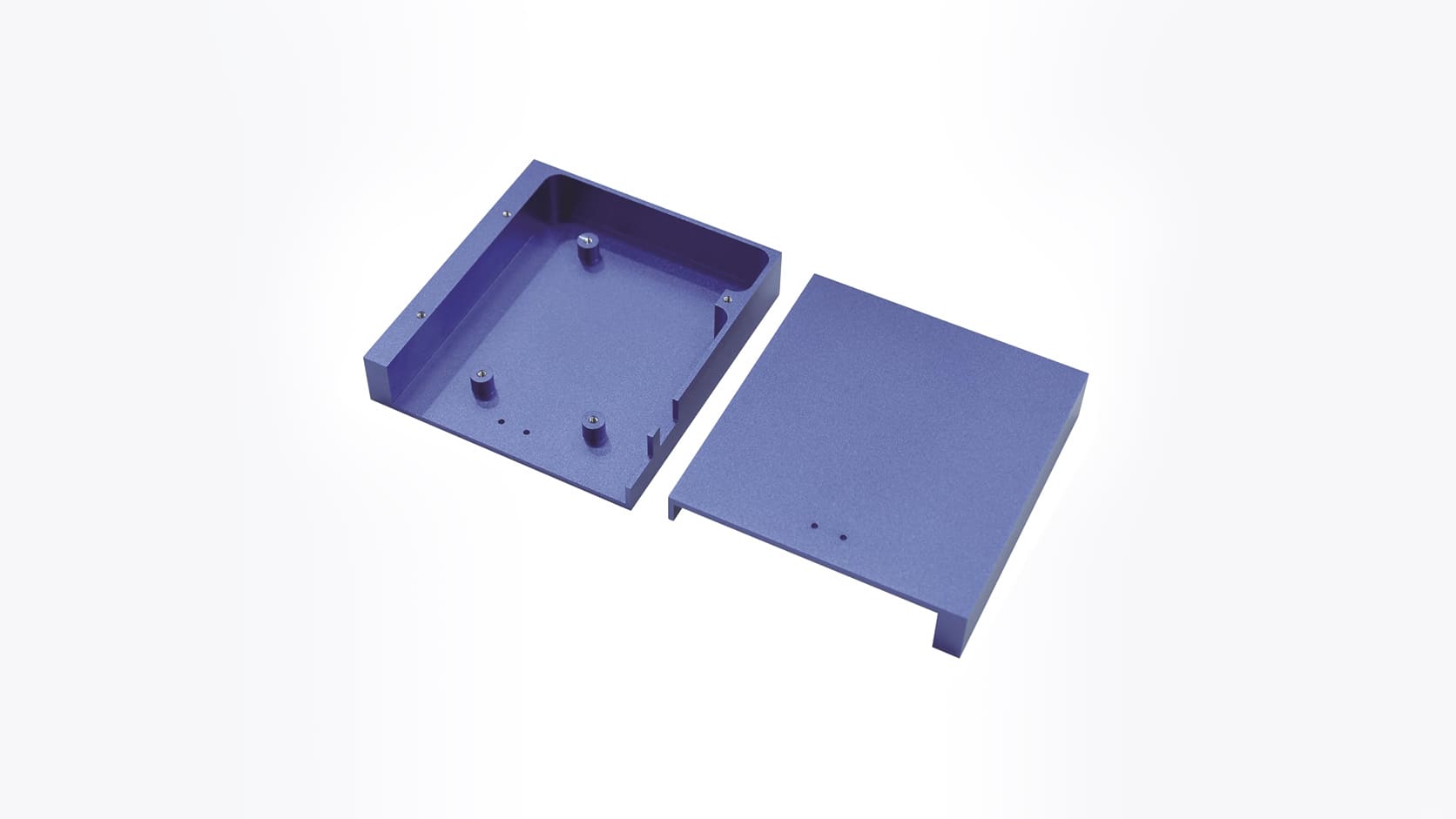
Prototypes stop working right when you need them to prove a point. Parts warp, brackets fail, fittings leak. That kills schedules and morale. You need hands-on fixes and straight answers — not long wait times. When a bent panel or miscut chassis shows up, the quick go-to is often custom sheet metal fabrication services to get housings, mounts and small runs back in shape fast.
What actually goes wrong — and why it matters
Bad tolerances, rough finishes, rushed assembly. Those are the usual suspects. Fix one thing and another pops up because nobody planned durability or service access. If you don’t design for routine maintenance, your “prototype” becomes a one-off headache. That adds rework hours, eats budget, and stalls testing.
Experience that counts — real-world anchor and proven service
I’ve seen the same pattern talked about at IMTS in Chicago: vendors showing flashy machines but customers asking how parts hold up after three assemblies. That matters. Folks who work prototypes need partners who know material quirks, tooling wear, and repeatability. That’s why shops offering custom metal fabrication services that combine hands-on shop knowledge with repeatable processes are worth considering — they handle tricky sheet metal bends, small-run welds, and clearance fits without guessing.
Common mistakes to avoid
Don’t overcomplicate designs for the first runs. Don’t expect perfect tolerances from a first prototype without proper fixturing. Don’t assume hand-fit fixes scale. Instead: keep critical dimensions simple, add service access where bolts will be tightened down later, and treat the first unit as a test of serviceability as much as function.
Fast fixes that actually stick
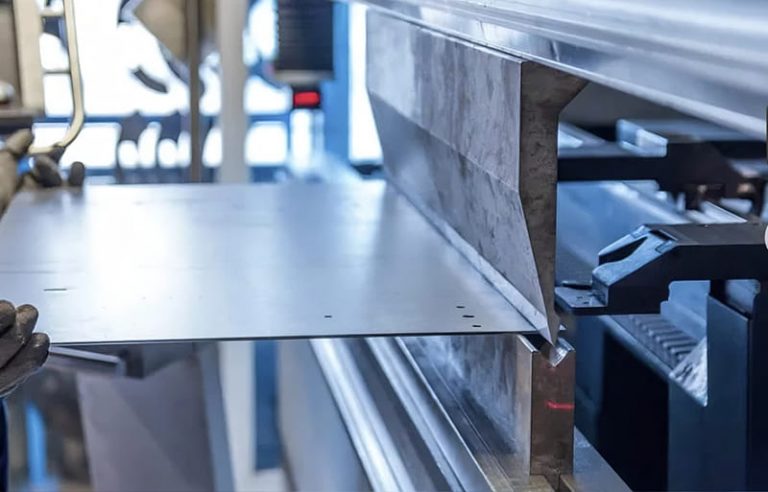
Use standard hole sizes and fasteners so swapped parts line up. Specify bend relief and radii that match the metal thickness. Document one honest measurement set and stick to it for revisions. When a part fails, mark the failure mode, rerun only the affected feature, and keep the rest as-is. That saves setup time.
Comparing partner types — what to pick
Small local shops: fast, flexible, hands-on. Big contract shops: consistent runs, tighter traceability. Overseas plants: lower cost, longer lead times. For prototypes, start local or with a nimble specialist. They’ll iterate quicker and explain trade-offs without the corporate speak.
How to judge a shop before you send files
Ask for a sample they’ve run from prototype to small production. Ask about turnaround on fixes. Watch how they talk about rework — do they own it or shrug? Check materials knowledge: can they tell you why a bend cracked or which coating survives repeated disassembly? Real answers beat slick brochures.
Wrap-up: keep the prototype useful, not fragile
Plan maintenance and service from day one. Design for fixability, pick partners who can back a part after you test it, and treat the prototype like a living tool, not a trophy. That approach saves time and keeps testing honest — the sort of practical, dependable work I expect from partners like Hanstar.