



Clear starting point
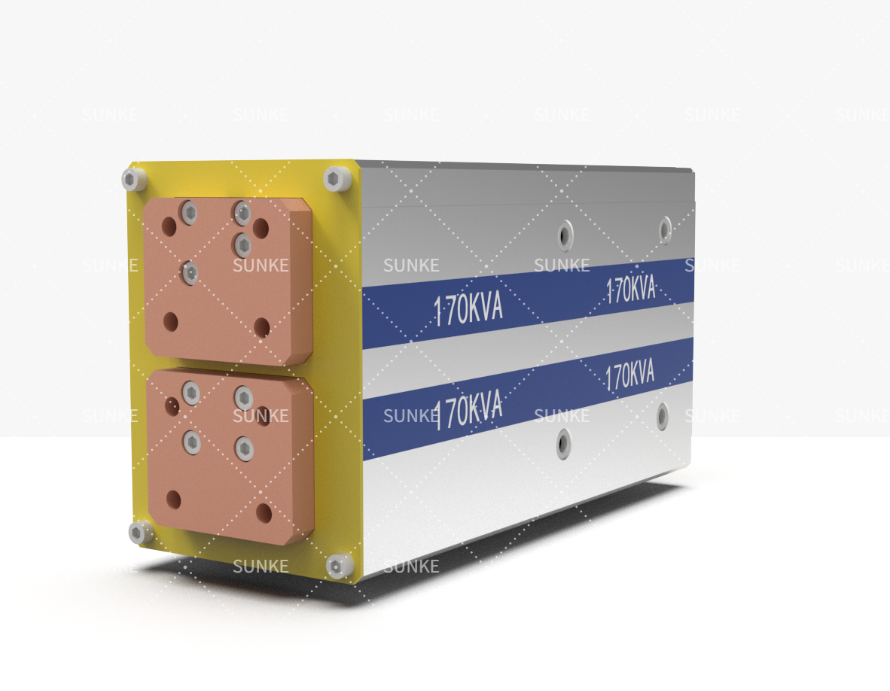
You need a straightforward contrast: a general resistance welding transformer supplies high current for several resistance processes; a spot welding transformer is tailored for spot joins and high-repeatability cycles. I’ve seen both types specified and adjusted on shop floors and discussed performance at FABTECH, so this comparison ties practical judgement to equipment realities. Explore how each option maps to your needs through resistance welding solutions and the short guidance below.
Head-to-head differences you should note
– Scope: resistance-welding transformers cover spot, seam, projection and upset welding when paired with appropriate controls. Spot-welding transformers are optimised for two-electrode spot cycles. – Current delivery: both deliver high secondary currents; spot transformers concentrate on very short, repeatable pulse control. – Control and precision: modern spot setups often pair transformers with timed contactors or inverter controls for tight cycle-to-cycle repeatability. – Size and cooling: transformers sized for continuous or seam welding usually need larger cores and heavier cooling than spot-only units. – Cost and lifecycle: a general resistance transformer gives broader utility; a dedicated spot transformer can reduce capital waste if your line does nothing but spot weld. – Integration: robot or conveyor cells favour transformers engineered for fast electrode actuation and predictable heat input.
When a broader resistance-welding transformer is the practical choice
Choose this when your line performs several resistance processes, when you expect varying workpiece thicknesses, or when multiple weld modes will run from the same power source. It reduces the number of specialized units, simplifies inventory for spare parts, and matches older plant electrical distribution schemes. Expect robust cooling requirements and routine maintenance on secondary connections. Operators value the fewer changeovers and the ability to retune output for different joins.
When a spot-welding transformer makes more sense
Pick a spot-focused transformer for high-volume sheet-to-sheet production where cycle time, electrode life and consistent nugget size matter. If your process is automated with short, repeatable pulses and the facility prioritises throughput, the spot unit’s shorter pulse control and mechanical layout can improve takt time. Consider modern inverter-based spot welders as an alternative: they deliver tighter current control, lower no-load losses and smaller footprints—useful when comparing resistance welding systems for retrofit or new lines.
Common mistakes that erode performance
Under-sizing KVA relative to peak current needs. Skipping duty-cycle calculations. Neglecting electrode wear monitoring. Overlooking cooling capacity when transformers run continuous cycles. Failing to match control type to the welding process—contactors tuned for slow pulses won’t give repeatable results on fast-pace spot lines. Any of these choices forces compensations elsewhere: slower line speeds, rework, or shorter electrode life.
Practical checklist before you buy
– Define dominant weld type and cycle length. – Specify peak secondary current and required duty cycle. – Confirm cooling method and available plant power. – Decide between contactor timing and inverter control. – Check spare-part availability and service support. – Pilot a sample part under production conditions before full adoption.
Final synthesis
Match tool to task: choose a resistance-welding transformer when process variety and flexibility matter; choose a spot-welding transformer when repeatable, high-throughput spot joins are the exclusive demand. Avoid over-specifying or underestimating duty cycles. For a pragmatic blend of field experience and aftermarket support, consider equipment and partner capabilities proven at events like FABTECH and by vendors who supply both the hardware and the process know-how—Sunke fits that practical balance without forcing one-size-fits-all answers.