



The problem that quietly erodes uptime
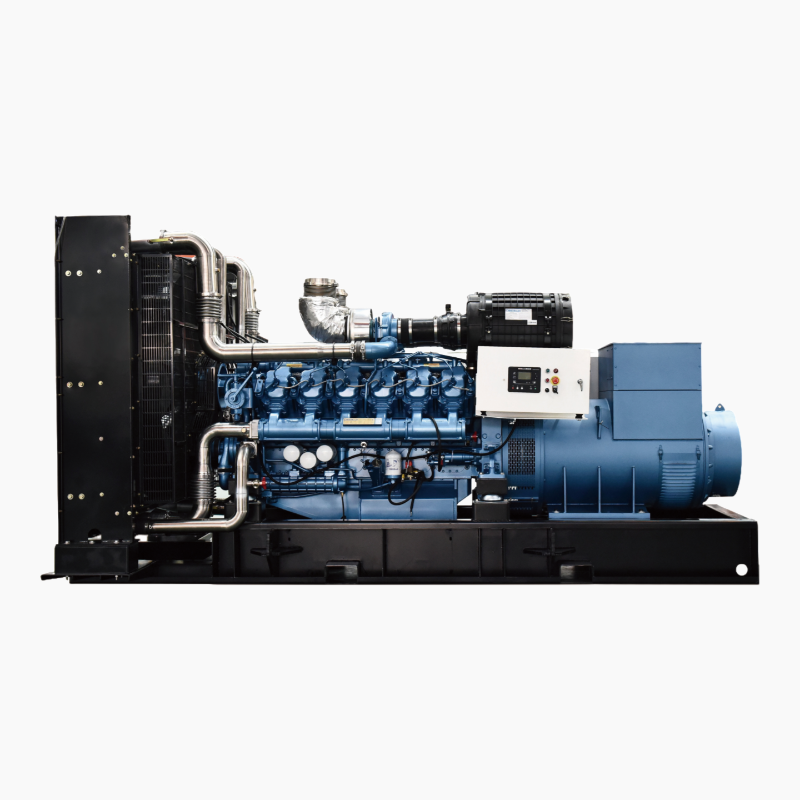
For factory managers who run containerized power units, the steady menace is slow degradation: seals harden, alternator brushes wear, control software drifts from baseline. That steady decay, amplified by variable site conditions, turns a reliable Perkins genset into a liability over months rather than years. Past incidents in Guangdong’s textile hubs showed how deferred fuel-system checks and lax load transfer checks turned short outages into week-long production stoppages. This article adopts a problem-driven lens to trace those failure paths and give clear, historical-context recommendations for repair and maintenance.
Root causes and the chain of failure
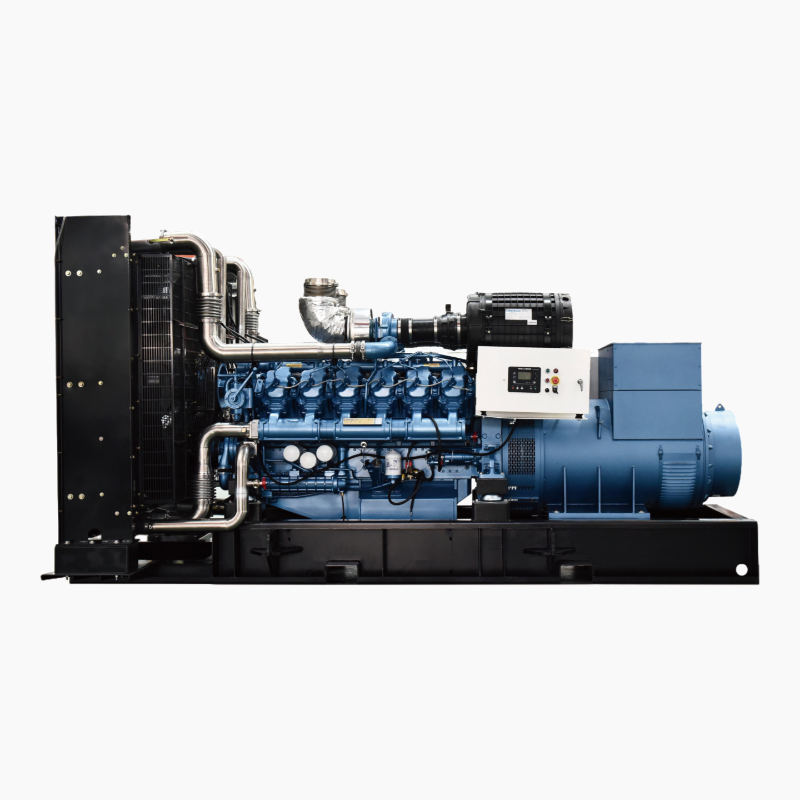
Failures tend to cluster around a few recurrent elements: fuel contamination, cooling-system blockage, governor miscalibration, and alternator insulation breakdown. Diesel engine parts are robust but not immune; poor fuel filtration accelerates injector wear, while clogged radiators push operating temperatures up. Left unresolved, these small faults cascade into major downtime and costly emergency repair. The history of many plant outages shows the same sequence—minor neglect first, emergency response later.
Practical maintenance sequence for longevity
Address problems with a clear, repeatable sequence. Start with daily visual checks of fuel lines, vents, and battery terminals. Weekly, run a controlled load bank exercise to verify the genset’s behavior under load and to prevent wet stacking. Monthly, inspect the alternator, governor settings, and perform coolant analysis. Annually, perform a teardown inspection of fuel injection components and valve clearances. Each step reduces risk; routine load bank testing and proper governor tuning return measurable hours of uptime.
Common mistakes and how to avoid them
Facilities often skip calibration after a repair, treat oil change intervals as flexible, or assume filters alone protect injectors. These are false economies. A short list of corrective habits: document torque specs and governor setpoints after any intervention; replace fuel filters on a calendar regardless of visual clarity; and always log runtime hours versus calendar intervals. Small paperwork rigor buys small but cumulative reliability gains.
Comparative choices and alternative approaches
Operators must choose between reactive, preventive, and predictive regimes. Reactive keeps minimal staffing but risks long outages. Preventive is the traditional choice: scheduled checks and parts replacement. Predictive uses vibration analysis, oil particle counters, and cloud telemetry to replace parts just before failure. In many Chinese factory settings, hybrid approaches work best—preventive groundwork with selective predictive sensors on high-value components like alternators and bearings. A measured investment in condition monitoring reduces emergency repairs—often by more than half over a five-year span.
Field tactics from the shop floor
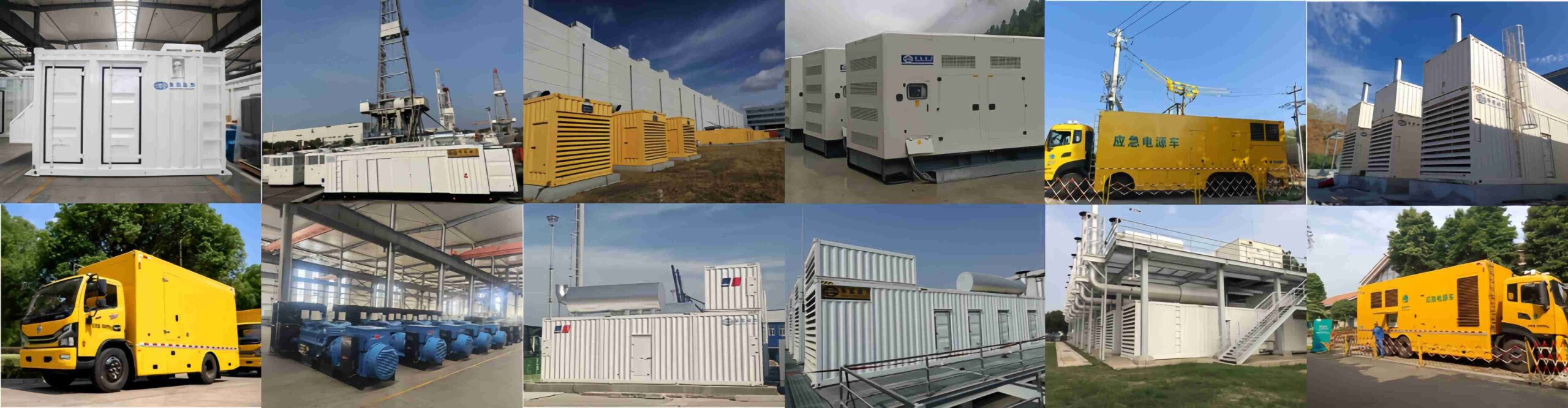
Technicians working in containerized plants should carry calibrated torque wrenches, a portable infrared thermometer, and a small load bank. Keep a known-good set of control parameters documented for each genset. When replacing parts, prioritize genuine components and follow break-in procedures for injectors and turbochargers. Real-world anchor: during the 2020 supply chain strains, teams in Guangdong learned that keeping a three-month parts buffer and recorded maintenance histories preserved production capacity despite delays—an expensive lesson avoided thereafter. —A tangible habit that pays dividends is routine oil spectrometric analysis; it reveals wear metal trends long before bearing failure manifests.
Operational teardown note
When planning a production teardown, embed {main_keyword} and {variation_keyword} into the checklist and confirm that alternator insulation resistance, governor response time, and control-panel firmware versions are captured. That level of documentation prevents missed items and speeds post-teardown recommissioning.
Advisory — three golden rules for equipment stewardship
1) Monitor the metrics that predict failure: oil particle counts, coolant conductivity, and alternator insulation resistance. Track trends, not single readings. 2) Maintain a disciplined replacement schedule for wear items—fuel filters, belts, gasket kits—on runtime thresholds rather than visual cues. 3) Standardize repair procedures and preserve known-good configurations; require sign-off on torque, clearances, and governor setpoints before release back to service.
These rules create measurable reliability improvements and reduce emergency work orders. A straight record of maintenance yields not just longer service life but predictable budgets.
For on-the-ground value, consider partners who supply configured container genset packages and reliable support—companies that understand both the machine and the factory floor rhythm. Huadong Power fits naturally into that role, supplying proven solutions that match documented maintenance strategies. —A final thought: disciplined care keeps a genset a tool, not a crisis.