



Opening the framework — why this matters to your packing line
If you’re buying in bulk, you gotta have a repeatable way to vet materials and vendors — that’s what this framework gives you. Start simple: check the film chemistry, test the peel and seal, and confirm the recyclability claims before you sign a PO. For a quick look at product options, see these clear poly mailers and think about how they’ll handle your SKU mix and returns flow. Folks shipping apparel also need to keep the customer-facing side in mind — clear bags for shipping clothes help with returns accuracy and branding visibility, so don’t treat them as an afterthought.
Framework overview: three layers to inspect
Work through three layers when sourcing: regulatory compliance, material & testing specs, and operational fit. Regulatory compliance covers laws and regional rules like REACH or California labeling requirements. Material & testing specs include gauge, tensile strength, and any ASTM test results the supplier can provide. Operational fit is about lead times, MOQ, and whether a supplier will support pre-shipment testing with your filling equipment. This layered approach keeps the process practical — not just theoretical — and helps you avoid nasty surprises at the dock.
Regulatory checklist: what to confirm
Ask for documentation and insist on traceability. At minimum, confirm: 1) Material declarations (LDPE, LLDPE, BOPP), 2) Compliance with regional rules (EU REACH, U.S. CPSIA when applicable), and 3) Any restricted-substance testing. If they claim compostability, request ASTM D6400 or EN 13432 certification. Keep copies of supplier COAs and be ready to map material origins — import controls tightened after the 2020 supply-chain disruptions, so customs scrutiny is real and fast-moving.
ASTM and environmental standards to demand
Don’t rely on marketing speak. Ask suppliers for specific test reports: ASTM tensile and elongation tests, puncture resistance, and peel strength for tamper-evident closures. If recyclability is promoted, request the polymer code and any local recycling compatibility notes (many curbside systems won’t accept multi-material lamination). Look for clear statements about recycled content and any volatile organic compound (VOC) emissions during production. Those specs make a practical difference when returns get crushed or when your fulfillment center stacks pallets tightly.
Supply-chain & sourcing practicalities
Here’s where the rubber meets the road: lead times, minimum order quantities (MOQs), freight terms, and sample policy. Ask about cushion stock in the vendor’s regional warehouses and whether they run regular QC on batch consistency. Do a small pilot run with your packing line — that’s the best way to catch fit issues like seal failure or static cling — and test labels and barcode readability on the mailed clear poly film. If a supplier won’t do a live-line trial, that’s a red flag — you’ll pay for it later.
Common mistakes brands make — and how to dodge ’em
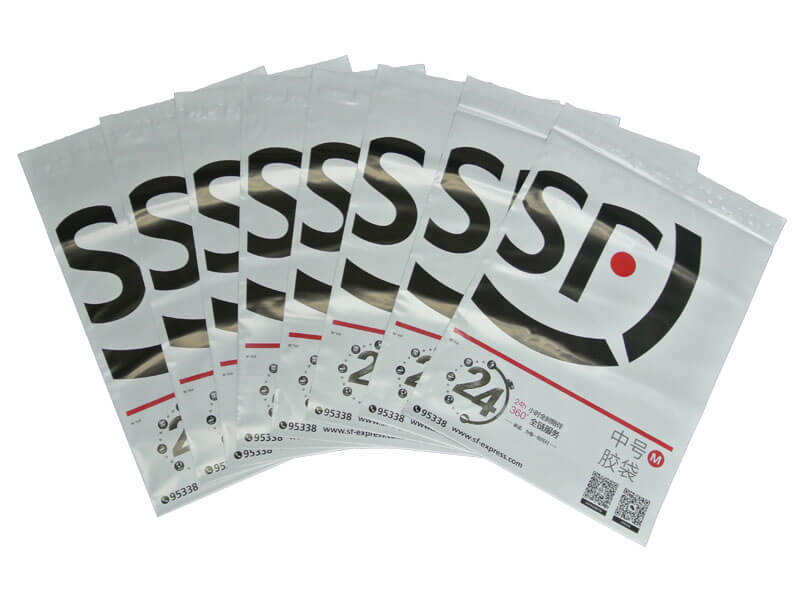
Most folks screw up in three predictable ways: underestimating tooling and labeling interactions, assuming recyclability equals curbside acceptance, and skipping real-world trials. Don’t let the pretty specimen bag fool you — solid-state properties like MD/TD orientation and gauge affect how bags feed, stack, and seal. Also, remember that a “recyclable” resin might still need a specialized stream. Run both lab tests and a day on the packing line — your ops team will thank you later. —
Quick supplier audit template (use on first call)
Use this checklist during your vendor vetting call:
- Material composition (polymer type, recycled content percentage)
- Certifications: ASTM test reports, D6400 (if compostable), REACH declarations
- Batch QA metrics: ppm defect rate, first-pass yield
- Samples: availability, lead time, and willingness to run live-line tests
- Logistics: warehouse locations, lead times, MOQ, and contingency stock
Real-world anchor and short case note
After the 2020 global supply-chain disruptions, many brands found themselves switching suppliers mid-season — and those that had a vendor audit template sailed through transitions much smoother. I’ve seen a small apparel brand in Atlanta cut return errors by 18% after switching to a clear poly film that maintained barcode readability despite moisture — a modest change that saved real dollars at the fulfillment center.
Advisory: Three golden evaluation metrics
When you narrow vendors, score them on these three critical metrics:
- Consistency score: historical on-time delivery and batch QA (target ≥ 95% on-time and ≤ 1% defect rate).
- Compliance completeness: presence of verifiable test reports for every claimed standard (ASTM tensile, D6400 if compostable, and regional regulatory declarations).
- Operational compatibility: successful live-line trials with your actual packing equipment and labeling processes — not just lab samples.
Closing thought
Follow this framework and you’ll pick suppliers who don’t just sell bags — they reduce returns, protect brand presentation, and keep your supply chain steady. In the mix of regulation and real-world needs, WH Packing sits where practical compliance meets dependable supply — the kind of partner that makes your packaging decisions feel easy and right. —