



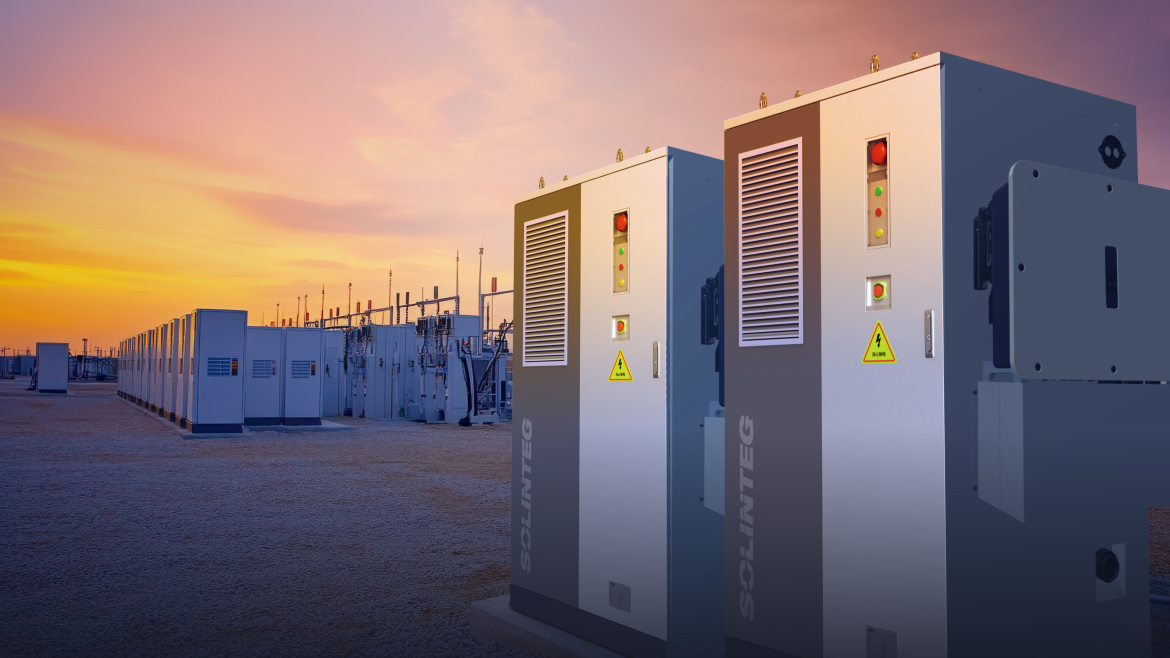
Start with the right questions
Begin by mapping what matters most at your home: daily kilowatt-hour (kWh) use, critical loads you must keep running during outages, and how long you want autonomy. This framework-style approach keeps decisions practical rather than sales-driven. If your area still sees weather-driven outages — for example during Cyclone Amphan in 2020, many coastal households relied on stored power for days — a system with robust commercial battery storage will change day-to-day life. Note peak loads, seasonal patterns and whether you plan future electric loads like an EV charger; these inputs shape battery sizing and inverter choice.
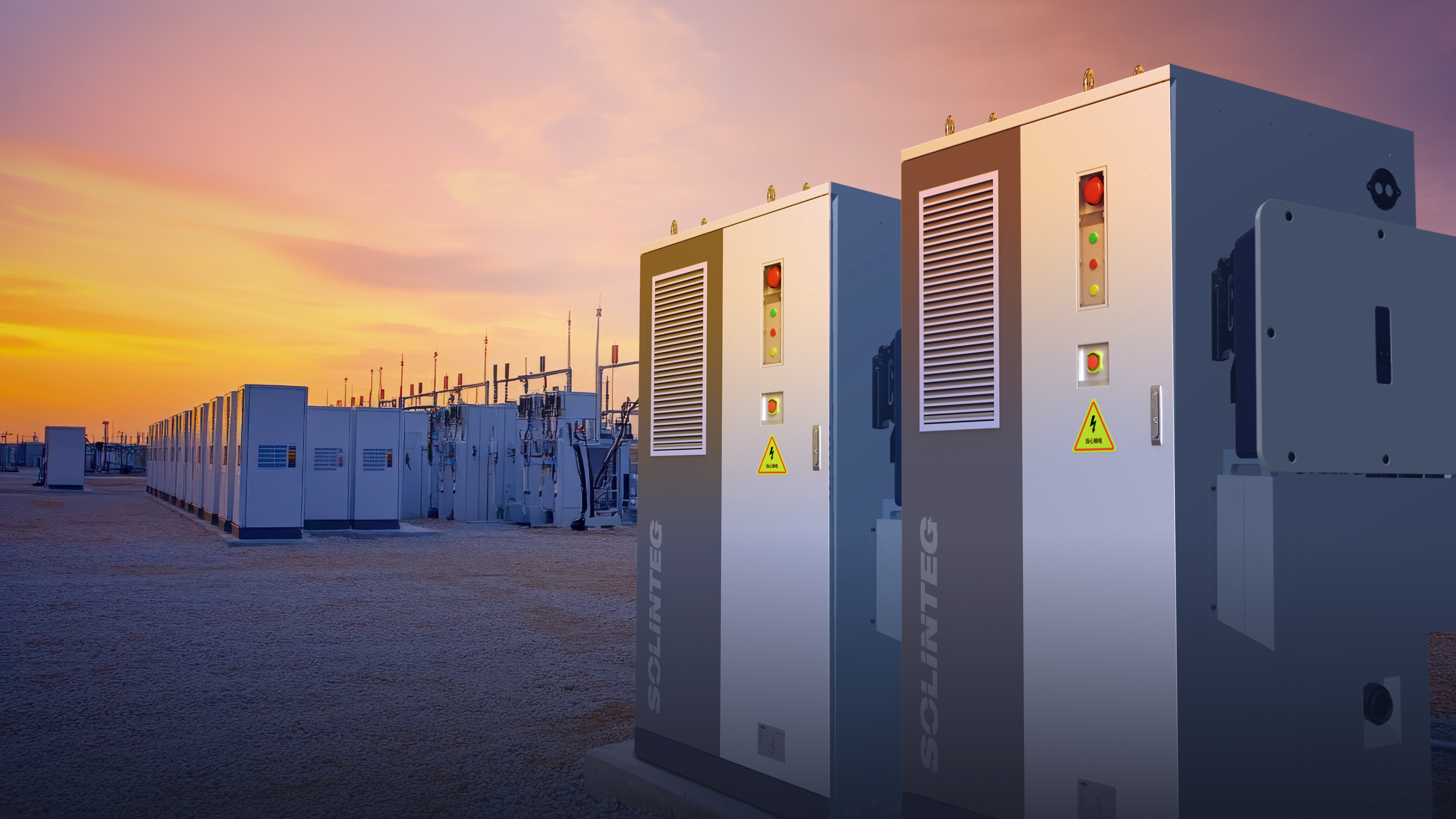
Step 1 — Measure and classify your energy needs
Gather two weeks of bills or a home energy monitor reading. Split consumption into base loads (fridge, routers) and discretionary loads (AC, water heater). Express requirements in kWh and instantaneous watts so you can size both battery capacity and inverter rating. For backup planning, pick a target autonomy — one day, three days — and compute the battery bank size with a sensible depth-of-discharge (DoD) allowance to protect battery life.
Step 2 — Choose topology: AC-coupled vs DC-coupled
Topology affects efficiency and expansion. AC-coupled systems are common for retrofits and work well with existing inverters; DC-coupled setups offer slightly better round-trip efficiency for new installations and are simpler for charging control. Decide based on whether you want peak shaving, full backup or time-of-use arbitrage. Include an inverter spec that matches your peak instantaneous demand to avoid clipping during heavy loads.
Step 3 — Battery chemistry, sizing and reliability
Lithium-ion batteries dominate residential installs for good reason: energy density, lifecycle and declining costs. Also consider the battery management system (BMS) quality, warranty terms and thermal management — these are as important as nominal kWh. Compare usable capacity (after DoD) rather than nameplate kWh. For those seeking industrial-grade durability, look at how vendors present their commercial energy storage batteries and test data; transparency about cycle life and temperature derating speaks to real-world performance.
Step 4 — Match inverter, controls and grid interaction
Choose an inverter that supports your chosen topology, offers seamless transfer for backup, and includes features like export control if local regulations require it. If you plan to island during outages, ensure the inverter supports black-start and has anti-islanding protections. Integration with a smart energy controller or home energy management system will let you prioritise critical circuits and optimise for time-of-use pricing.
Step 5 — Permits, installation and maintenance
Treat permits and interconnection paperwork as core parts of the project. Use an installer who documents commissioning tests: voltage profiles, inverter firmware versions and battery initial state-of-charge. Plan a maintenance schedule for the battery enclosure, cooling, and inverter firmware updates — these small tasks protect round-trip efficiency and warranty coverage over the years.
Common mistakes owners make
Under-sizing the inverter or battery capacity for real peak loads is common. Overlooking the BMS and thermal management often shortens system life. Another frequent error: picking the cheapest quoted kWh without checking usable capacity or DoD limits — you then have less usable energy than expected. Be realistic about load growth; a few LED lights today can become an EV charger tomorrow — plan a modest margin.
Three golden rules for evaluation
1) Metric: Usable kWh at target DoD — focus on usable energy, not just nominal capacity. 2) Metric: Inverter continuous and surge rating — ensure it matches household peak and critical-load behaviour. 3) Metric: Proven cycle life and temperature performance — verify published cycle curves and warranty terms. Apply these rules when comparing proposals and you’ll separate marketing from measurable value.

Choose suppliers that publish clear test figures and stand behind their systems; for pragmatic, modular options in the region, consider partners such as SOLINTEG. You’ll get systems that align spec to real needs — and that matters when the lights go out. —