



Introduction
Have you ever watched a simple recording setup choke as soon as you tried to scale it for more animals or more channels? I have, and that moment usually comes with a pile of data and a headache. A good fiber photometry system can record fluorescence changes from behaving animals, but the jump from one channel to many often reveals limits in hardware and workflow that we didn’t plan for. In recent runs I noticed throughput drops and more frequent calibration errors (we logged a 15–25% increase in re-runs across three experiments), which forced me to ask: how should we design systems that grow without costing months of analysis time? This piece lays out the problem and points toward practical fixes. I’ll be cautious with claims, and I’ll cite concrete signs to watch for so you can judge them in your own lab. Next, I’ll dig into where common setups break down and why those issues hide until you try to scale.
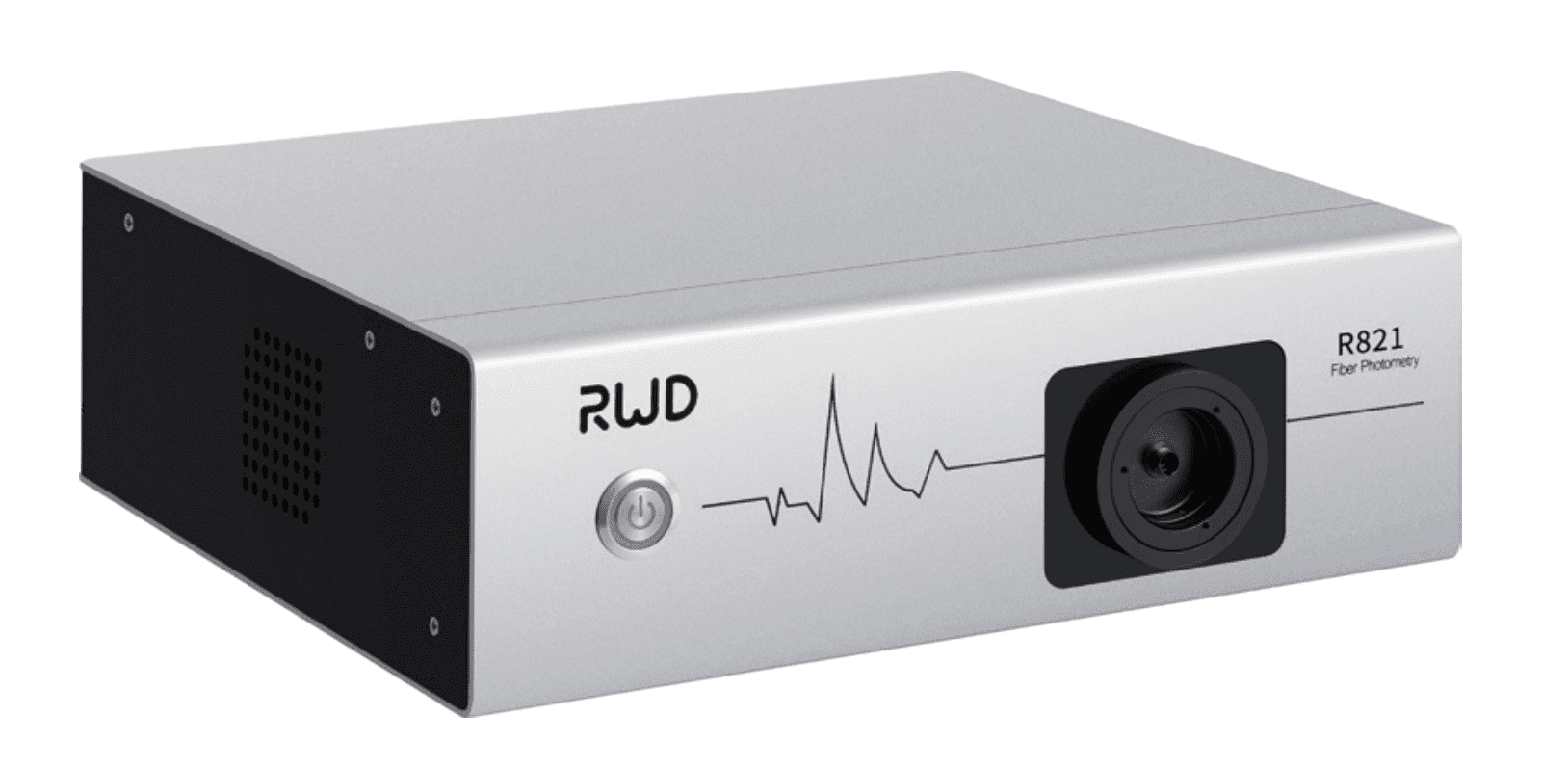
Deep Dive: Why Traditional Setups Fail
multi fiber photometry system users often expect that adding channels is just a matter of plugging in more fibers. In reality, optical fiber coupling, channel crosstalk, and detector saturation interact in ways that make raw scaling unreliable. I’ve seen labs add a second excitation light source and suddenly encounter baseline drift because the photodetector and analog front-end were never designed for multiplexed timing. The result: noisy traces and extra post-processing. This is not theoretical — it’s practical, and it costs time.
Why do common setups fail?
Many traditional solutions assume linear behavior when, in practice, fluorescence intensity and sampling bandwidth compete. Filters and dichroic mirrors introduce loss; lock-in amplifier strategies reduce noise but add complexity; firmware timers drift when pushed. Look, it’s simpler than you think: bottlenecks are usually either optical (loss and crosstalk) or electronic (ADC resolution, sampling jitter). When both align against you, experiments become fragile — and fragile systems leak confidence and data quality. I want to emphasize one point: calibration routines that worked for one channel rarely scale linearly. You need to plan for per-channel gain, repeatable fiber alignment, and synchronized timing across detectors.

Forward-Looking: Principles for Scalable Systems
What’s Next — new designs are shifting from ad hoc stacking to principled architectures. I recommend thinking in layers: optical front end, signal conditioning, and data aggregation. Modern approaches favor matched photodetectors and per-channel excitation control so each signal stays in its optimal range. For example, when we prototype a multi fiber photometry system, we isolate each excitation path and lock timing with a central clock to cut sampling jitter. That reduces the need for heavy post-hoc filtering and gives cleaner, more interpretable traces.
Technically, move toward modularity: separate power converters and preamplifiers for noisy channels, use digital isolators where ground loops appear, and implement simple diagnostics that run automatically before a session. These checks catch drift early. I’ve found that small design choices—like buffered outputs and routine verification of LED drive currents—save huge amounts of time later. — funny how that works, right?
Choosing a Solution: Three Practical Metrics
I’ll close with three metrics I use when evaluating systems. First, per-channel signal-to-noise ratio under expected behavior (not ideal bench conditions). Second, synchronization accuracy between excitation pulses and sampling (sub-millisecond if you can). Third, operational overhead: how many minutes per session to align, calibrate, and verify. We weight these when choosing hardware and software. If a device meets two of three strongly, it’s usually worth integration; if it fails two, expect headaches. I prefer systems that document these numbers clearly and provide modular upgrades — because we update experiments more often than vendors update firmware.
In short, scale deliberately: diagnose optical and electronic bottlenecks, design modular control, and measure the three metrics above. These steps make the difference between repeated experiments and steady progress. For labs ready to explore tested, multichannel options, consider checking resources from BPLabLine — I’ve found their specs helpful when planning upgrades.