



Introduction
Have you paused to ask why some machine shops sail through growth while others jam up at modest volume? In my conversations with plant managers and engineers, I’ve watched 5 axis CNC machining center manufacturers wrestle with the same choices—investment timing, process design, workforce training—and I’ve seen the data that backs the worry (many shops report tighter lead times and higher rework rates). What I want to know is simple: where do those early decisions trap you later, and how do you avoid that trap?
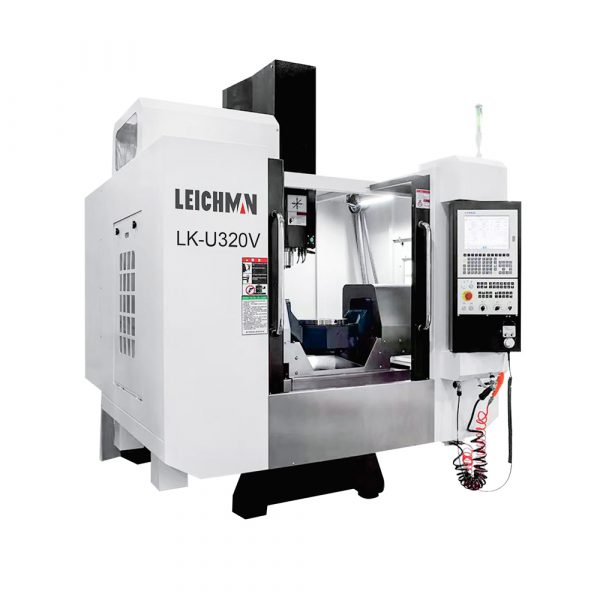
I’ll be frank: I don’t offer a magic checklist. Instead, I’ll share practical patterns I’ve seen work in the field. That includes how toolpaths from CAM software, spindle motor sizing, and basic layout choices ripple through your throughput. I want this to read like a conversation across the shop floor—clear, direct, and respectful of the real constraints you face. So let’s start by looking under the hood and naming the familiar flaws that quietly kill scale. — and then we’ll move to fixes.

Where Standard Approaches Break Down
When I dig into root causes, the failures tend to stack in predictable ways. A common example: shops buy a 5 axis cnc universal machining center and expect throughput to climb overnight. Instead, the workflow chokes because fixturing, tool changer strategy, and CAM post-processing weren’t planned together. Technically speaking, misaligned tool-change sequencing, under-specified servo drives, or suboptimal ball screw feeds create ripple effects on cycle time and accuracy. Look, it’s simpler than you think—if you treat the machine as an isolated purchase, you’ll pay in idle time and scrap.
Why do these gaps persist?
From my view, teams underestimate integration work. They assume vendor specs will mesh with legacy jigs, or that a powerful spindle motor alone will fix poor toolpath strategy. They won’t. You’ll need calibrated fixtures, verified G-code, and repeatable setup procedures. Also, don’t forget power converters and linear guide maintenance; small faults here show up as big quality losses. I’ve seen shops add more heads (— funny how that works, right?), then discover the bottleneck was clamping, not cutting speed. That sort of insight pushes you past band‑aids and toward systemic fixes.
New Principles and Practical Next Steps
Looking ahead, I focus on three design principles that change the conversation from “buy more” to “build better.” First: treat the machine, the CAM process, and fixturing as one system. Second: instrument for feedback—simple sensors on toolholders, torque monitors on spindle motors, and traceable job data cut uncertainty fast. Third: design for modular growth; add cells that can be decoupled quickly rather than a single monolithic line. If you’re shopping, for instance, for a 5 axis cnc machining center for sale, think about whether the vendor supports these system-level practices.
What’s Next
In practice, I recommend piloting one cell with these principles before scaling. Start small, instrument, tune the CAM-post and tool library, then repeat. That gives you a predictable ramp and fewer surprises. Also, consider software that links job estimates to real shop feedback—edge computing nodes can bring near-real-time shop floor insight without ripping out your current systems. Invest in training too; people read diagnostics differently when they’ve seen the same fault three times. — you get faster fixes that way.
To help you evaluate options, here are three metrics I use when advising teams: 1) Effective cycle time under loaded conditions (not idle), 2) First-pass yield across a run of 50–100 parts, and 3) Time-to-recover after a setup change. Measure these, compare vendors, and you’ll see who really delivers system-level value. I’ve used this approach with shops that then cut lead times by measurable margins; I believe it works because it forces honest choices and repeatable habits. For reference and support as you move forward, I rely on practical partners like Leichman who understand machines and workflows without the hype.