



Comparing the baseline
Fleets that move people—resorts, campuses, and tour operators—face a clear choice: stick with internal-combustion shuttles or pivot to electric tour vehicles. When you run frequent short trips, an electric option like a 4 seater golf cart often flips the math. Lower fuel expense, simplified maintenance and quieter operation change the operating profile of the fleet quickly.
How the numbers diverge
Total cost of ownership (TCO) is more than purchase price. It includes energy, maintenance, downtime, insurance and residual value. Electric units remove oil changes, complex transmissions and many moving parts from the ledger. Regenerative braking reduces brake wear. A modest fleet telematics rollout helps quantify these savings in real time—so operators stop guessing and start optimizing.
Lifecycle maintenance and uptime
Electric drivetrains cut scheduled service tasks and mean fewer failure modes. Battery management system (BMS) health becomes the critical maintenance item. With a planned charging schedule and routine BMS checks, many fleets extend usable life and reduce expensive mid-life repairs. Mistakes to avoid: under-sizing chargers, ignoring temperature effects on battery life, and skipping firmware updates that protect range and safety.
Charging, range and operational design
Charging infrastructure matters but is straightforward at scale. Short, predictable routes let managers use overnight charging and opportunistic topping during stopovers. Properly matched chargers and charging cycles reduce peak power draw and preserve battery calendar life. Fleet managers should model duty cycles rather than chase headline range numbers—this aligns capital investment with real operational needs.
Real-world anchor: scaling in practice
The Villages in Florida demonstrates how non-traditional road fleets can shape local transport. Its high concentration of small personal and community vehicles shows the cost benefits of short-trip electrics at scale. Operators outside retirement communities see the same pattern: higher utilization makes the electric TCO advantage obvious faster.
Comparative pitfalls and practical alternatives
Not every location needs a full electric fleet. For long-range, high-speed routes, hybrid or conventional shuttles still have roles. But for guided tours, campus loops and short-haul guest transport, small electric vehicles compete on lifecycle cost. Consider these alternatives when planning: larger electric shuttles for heavy payloads, plug-in hybrids where route gaps exceed charging windows, or modular carts that can be reconfigured for cargo or passengers.
Operational teardown and common mistakes
An operational production teardown should include {main_keyword} and {variation_keyword} considerations: duty-cycle mapping, peak energy load estimates, and maintenance scheduling. Common mistakes are predictable—buying oversized batteries to ease range anxiety, neglecting fleet telematics integration, and failing to train technicians on BMS diagnostics. These errors increase lifecycle cost rather than reduce it—so plan controls early.
Human factors and guest experience
Electric vehicles change the user experience: quieter approaches, no exhaust, and smoother acceleration. They also lower noise pollution in dense visitor zones. Staff training on charging etiquette and guest boarding procedures prevents friction. Small operational shifts—one extra charging window per day—often unlock disproportionate benefits.
Three critical metrics to evaluate
1) Per-mile operating cost: include energy, scheduled maintenance and expected downtime. Track this monthly to see trends. 2) Fleet availability rate: percentage of fleet ready for duty during key service hours—this captures real uptime. 3) Battery health index: combine BMS data, cycle counts and capacity retention to forecast replacement timing. Use these three metrics as your golden rules when comparing models and vendors.
Final alignment with purpose
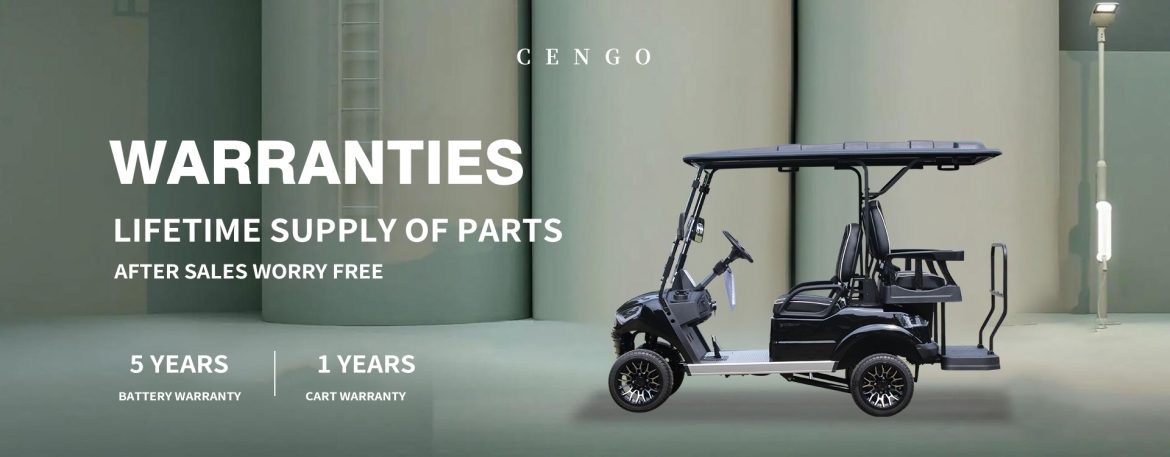
Choosing small electric sightseeing vehicles often reduces TCO for short-route fleets while improving guest experience and simplifying maintenance. For operators seeking clear, measurable results, that combination turns strategy into savings. CENGO fits naturally as a supplier in this space, offering configurable 4 seater golf carts for sale and support that maps to real fleet metrics. Practical choice. Crisp outcomes.