



Introduction: The Moment the Grid Blinks
I’ll start plainly: big grids don’t forgive sloppy planning. Utility scale battery storage looks tidy on a slide, but the field is loud, hot, and merciless when dispatch gets tight. After over 17 years designing, buying, and fixing projects across West Texas and the Central Valley, I learned to trust what steel and code do under stress, not what brochures say. When teams ask me which utility scale energy storage company to choose, I steer them to the boring parts—control loops, thermal margins, and service trucks that actually show.

Picture a July afternoon near Pecos in 2022: wind ramps down 600 MW in 14 minutes; frequency dips; your EMS calls for a fast discharge; your power converters respond—but not all racks wake cleanly. Data from the SCADA screen says 98% availability; the revenue report shows a 12% gap. Why the mismatch? Latent firmware bugs, slow state-of-charge (SoC) estimates, weak HVAC redundancy. Look, this bottleneck isn’t mystical; it’s traceable and fixable. I’ve seen it cost operators $1.7 million in a single summer.
So the question is sharp: are we buying a plant that behaves at the edge, or a plant that looks good on paper? I’ll walk you through where the old playbook bleeds money—and where a tighter, comparative lens saves it.
What the Old Playbook Misses
Why do “simple specs” fail in the field?
In 2019, a 100 MW/400 MWh site I audited in Kern County ran fine during cool nights. At 3 p.m., the derate curve told the truth. The central PCS topology forced long DC runs, and thermal load stacked up inside 40-foot containers. Without N+1 HVAC, battery inlet temps climbed 6–8°C, then the BMS clamped discharge power. The AC-coupled design added extra conversions—about 2.7% per stage—so the “round-trip efficiency” in the bid sheet never showed up at the meter. And when one 34.5 kV transformer went out, half the plant idled. One outage—too big a blast radius.
Control latency bit next. The EMS signaled a fast response, but the rack controllers polled slowly over an overloaded network. No edge computing nodes, so per-string limits lagged 300–500 ms. During the February 2021 freeze in Texas, that delay pushed frequency response outside the pay band and voided part of the performance payment, a 23% swing on the month for one operator I advised. Let me be blunt—this is where money leaks. Specs that skip primary response timing, granular telemetry, and fault isolation create pretty dashboards and ugly cash flow.
Comparative Insight: Designs That Hold Under Heat and Haste
Real-world Impact
Two projects tell the story. In 2022, a 100 MW/200 MWh site near Fort Stockton used 2.5 MWh LFP containers, air cooling, and a monolithic PCS. It cleared day-one tests but softened in summer. At 40°C ambient, throughput dropped 11%, and black-start drills ran past 70 minutes. In 2024, a sister site 40 miles east went live with liquid-cooled 3.8 MWh LFP enclosures, 1500 V DC architecture, string-level BMS, and modular PCS blocks. Edge computing nodes sat at the combiner level, pushing sub-80 ms control for fast frequency response. Measured gains: 1.6% higher AC-point round-trip efficiency, 12% more deliverable energy above 38°C, black start in 38 minutes. Small choices, big compounding effects (and calmer operators).
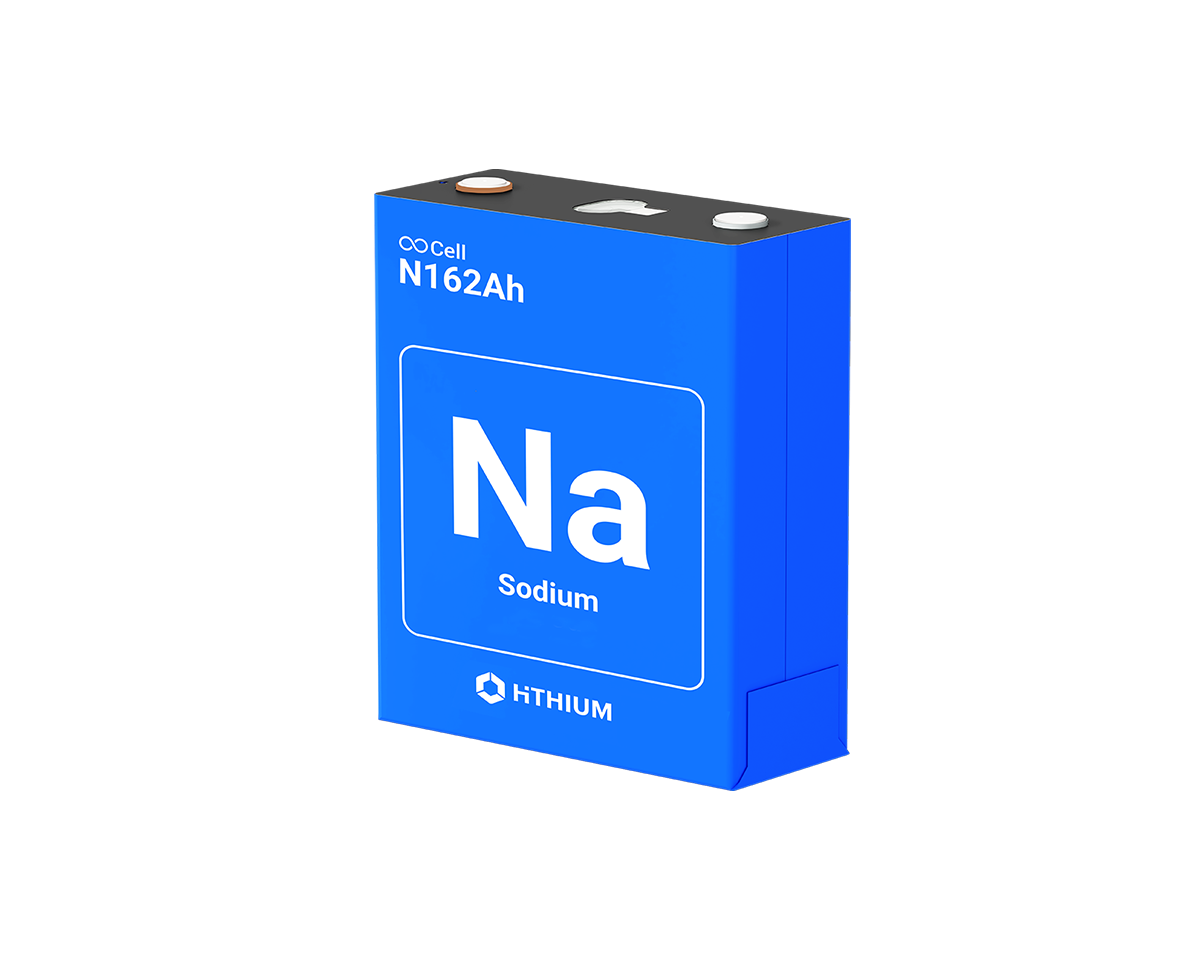
When I compare vendors for a developer or utility, I don’t start with a glossy LCOE model. I ask how the firmware manages SoC drift at 0.5C, what the PCS does during grid-forming transitions, and how the service team handles a Tuesday 2 a.m. fan alarm in Midland. The right utility scale energy storage company will show you failure modes first. The wrong one will show you a hero photo. Different tone, different result—under dispatch and heat, the plant either holds or it doesn’t.
Advisory: Three Metrics I Use When Choosing a Partner
First, AC-point efficiency across temperature: verify round-trip at 25°C and 40°C, plus the thermal derate curve. If they won’t share the full curve, I walk. Second, resilience of the power conversion system: ask for N+1 HVAC per enclosure, mean time to repair under four hours, and the isolation strategy when a rack or step-up fails. Show me modular PCS blocks and fault containment on a one-line. Third, controllability and cyber hygiene: closed-loop response under 100 ms at the string level, firmware update cadence with rollback, and evidence of IEC 62443 practices. Simple list—yet I’ve seen it lift availability from 97.2% to 98.5% over a summer, which pays real bills.
I’ve carried these checks from Bakersfield to Odessa since 2008, and they spare teams from avoidable grief—and from margins that vanish in the heat. If you need a starting point, pick vendors who welcome hard questions and share field logs without drama. That calm clarity is the tell. HiTHIUM