



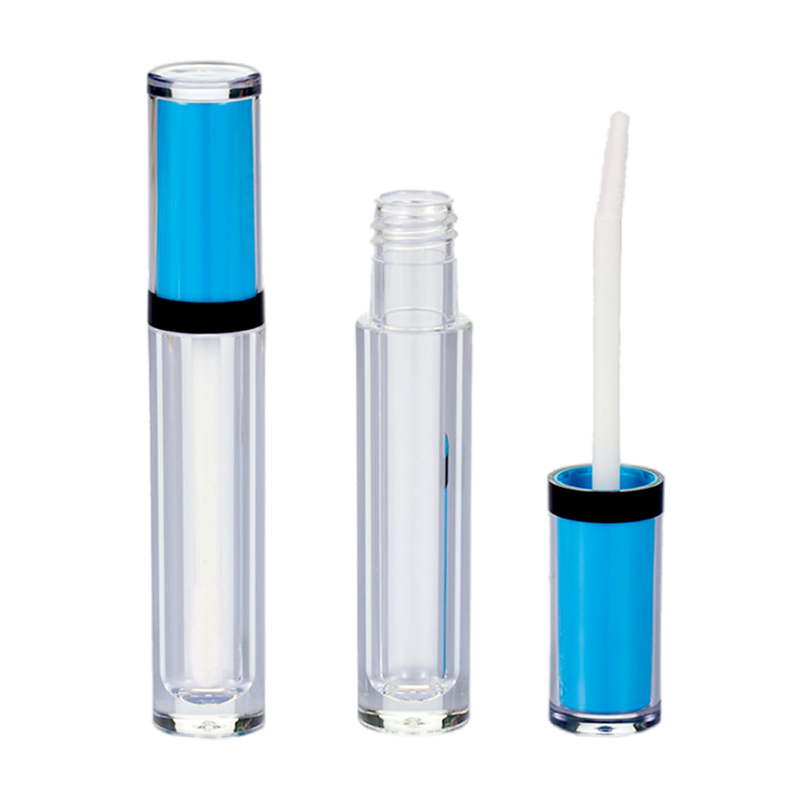
Intro: The Real-World Stakes When Your Tube Game Slips
Here’s the move: you line up a launch, the buzz is loud, and your gloss shades are on point. Your lip gloss tube manufacturer is supposed to be the steady co-pilot, right? But then the numbers hit—12% returns from leaky wipers, a 5-week lead-time slip, and a cap torque issue that makes every unboxing feel risky. So, how do you choose a partner who won’t fumble your brand when pressure spikes (because it will)? Think scenario, think data, then ask the only question that counts: what separates a passable vendor from a scalable partner?
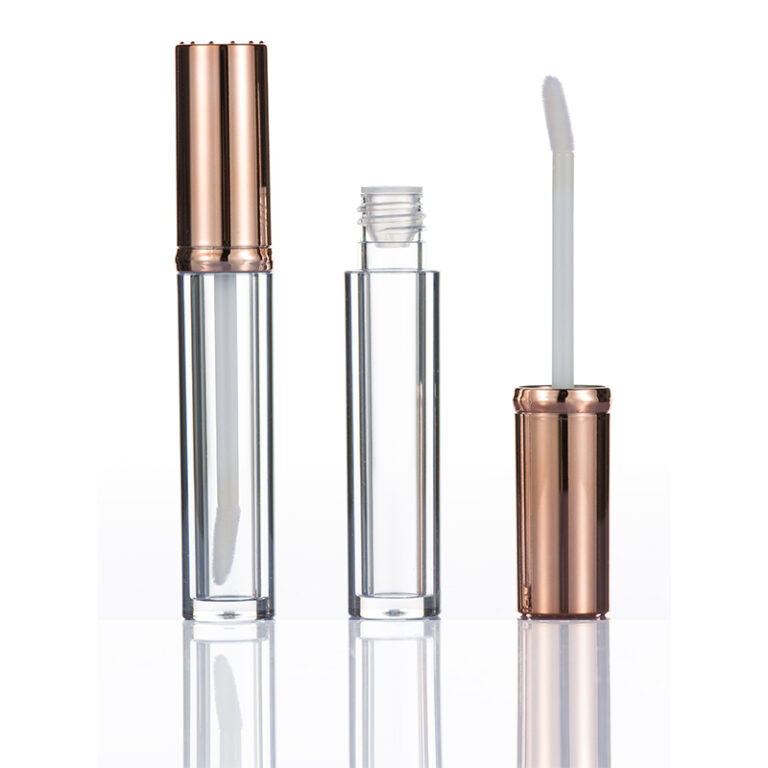
We’ll stack the options side by side—materials, tolerances, and finishing—to see where value actually shows up on shelves and in DMs. Next up: where old-school sourcing hides its mess, and how to dodge it with intent.
Under the Hood: Hidden Pain Points in Bulk Buying
What pain points are you missing?
When brands chase speed with wholesale plastic lip gloss tubes, the tradeoffs don’t announce themselves. They hide in mold cavity wear, sloppy wiper fit, and PETG vs. PP choices that alter resin viscosity and squeeze-back. Look, it’s simpler than you think: small variances in injection molding tolerances—think ±0.05 mm on neck finish—snowball into cap back-off, seepage, or streaky application. And nobody wants “strawberry glaze” on a customer’s palm. QC sampling that’s fixed at AQL 2.5 won’t catch burst defects during seasonality spikes, either—funny how that works, right?
The old fix? Over-spec the tube wall and pray. But heavier walls inflate freight, ding feel-in-hand, and don’t cure poor wiper geometry. The real culprits are interface details: stem diameter vs. wiper lip, ultrasonic sealing consistency, and how your doe-foot flocking holds up after thermal cycling. If your supplier can’t provide torque curves, drop-test data, and wiper retention metrics, you’re running blind. Add in PCR resin percentage (20–50%) and you’re juggling sustainability with stress-crack risk. The math is there—most teams just aren’t shown the variables.
Next Moves: Tech Principles and Smarter Sourcing Benchmarks
What’s Next
Let’s go forward-looking and comparative. New lines from seasoned china clear lip gloss tube manufacturers use cavity-level sensors to log melt temperature and shot pressure, stabilizing resin flow and cutting short-shot risk. That means tighter cap fit and fewer weepers under altitude or warehouse heat. Pair that with inline vision systems that flag wiper eccentricity at 0.02 mm, and you get fewer “mystery leaks” after transit. Material science moves, too: PETG for clarity, PP for chemical resistance, with PCR blends tuned using DSC data to avoid brittle snaps at low temps. Semi-formal stack, real-world payoffs.
Now compare old vs. new. Legacy shops talk MOQ and color cards. The new wave talks Cpk values on neck threads, UV-curing windows for varnish, and vacuum metallization thickness for that mirror-cap flex. One path hopes defects hide; the other shows you the histogram. From there, your playbook writes itself—choose suppliers who share torque specs, offer DOE trials for wiper fit, and let you A/B applicator tips before you commit scale. Then set your metrics and lock them in a service-level doc—because what gets measured gets repeated.
To wrap it, judge partners on what they can prove, not what they promise. Advisory close, three metrics to keep it tight: 1) Functional: Leak rate under 0.5% at 40°C/75% RH with cap torque stability across five cycles. 2) Process: Cpk ≥ 1.33 on neck-thread pitch and wiper ID, plus first-article reports per mold cavity. 3) Sustainability: Verified PCR resin content with impact testing and migration compliance (ISO 22716, FDA 21 CFR). Keep those steady, and your tubes won’t just look clean—they’ll perform clean. For a steady benchmark in conversations and quotes, see NAVI Packaging.