



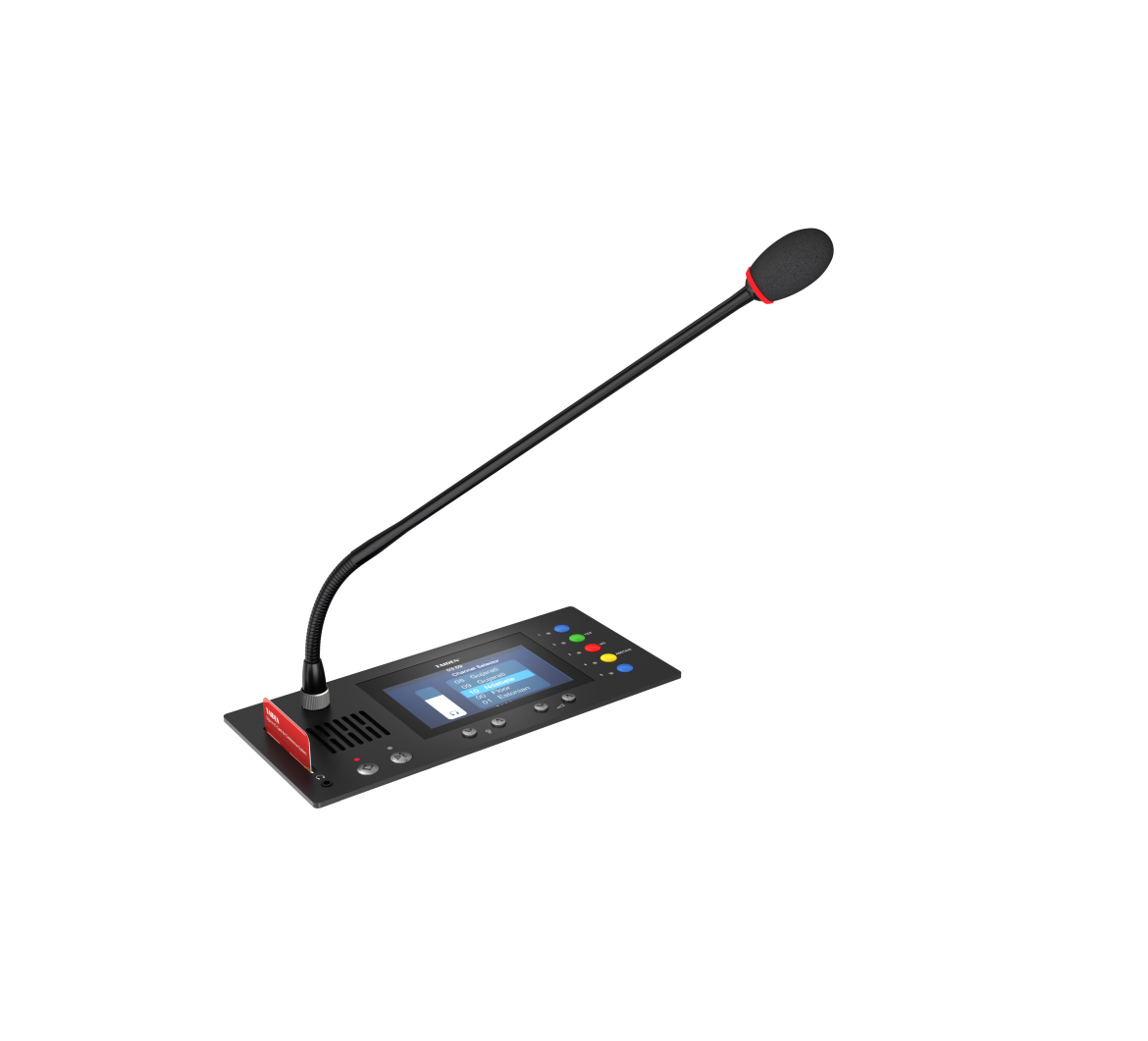
Opening Scene: When Voices Drift and Time Slips
The clock hits nine. Laptops open. The first voice cuts through the buzz, and then it blurs—just enough to make people lean in. The conference room mic system blinks like a quiet witness, but the room’s glass walls throw sound back at you. In many teams, 12–18% of meeting time is lost to repeats and “Could you say that again?” It drags energy down. It frays focus. Latency sneaks in, reverberation piles up, and the point gets thin—funny how that works, right?

Now picture this: two people talk at once, one remote, one in-room. The DSP fights room noise, but the signal-to-noise ratio dips. The remote side hears a smear, not a sentence. A sales call becomes a guessing game. A training turns into guess-and-check. The stakes are real; decisions slip when the sound slips. So ask yourself: is the fix more hardware, or better intent? Is it more mics, or smarter pickup and routing? (Be honest.) If the goal is clear speech in mixed setups—hybrid, huddle, boardroom—what truly moves the needle? Here’s the turn. Let’s pull back the curtain and trace why the old answers still fail—and what a better path looks like next.
Traditional Fixes That Break Under Pressure
Why do old setups still fail?
Ask any wireless microphone manufacturer and they’ll nod: legacy fixes hit hard limits in modern rooms. Table mics boost volume, but not intelligibility. Ceiling arrays promise coverage, yet they struggle with gain before feedback in reflective spaces. Add more units and you stack noise. The SNR drops. Auto-mixers smooth levels, but slow DSP blocks can push latency past comfort. Meanwhile, the RF spectrum grows crowded. One stray hotspot and your handheld drifts. Look, it’s simpler than you think: the chain is only as strong as its worst link—room acoustics, pickup pattern, routing, and power all count.
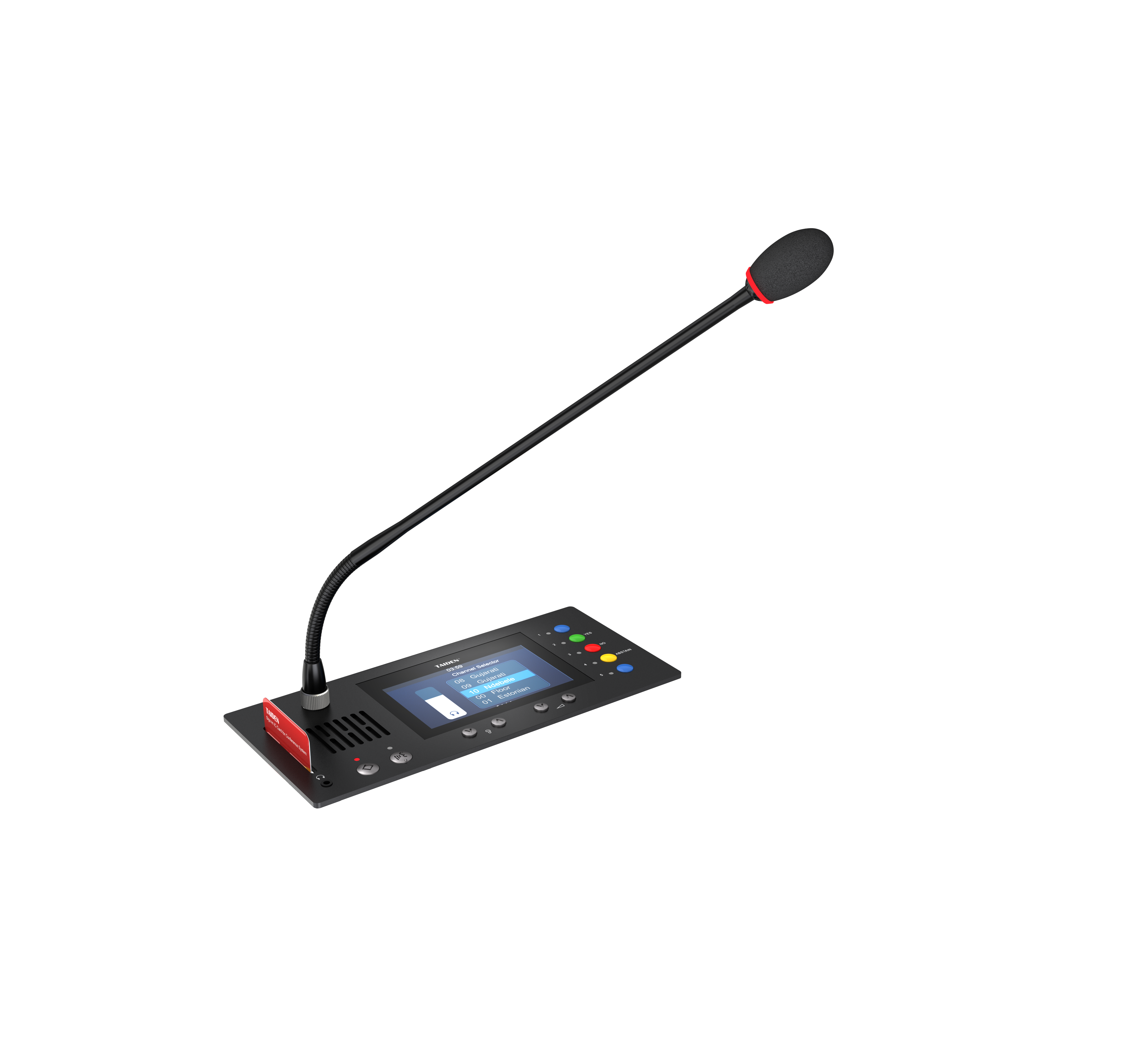
Battery swaps? They seem easy until you miss one. A dying pack turns into dropouts during the big pitch. Power converters add hiss if they’re poorly grounded. Analog-only signal paths are clean on paper, yet they choke on scale. When soft codecs change echo control, your in-room acoustic echo cancellation may fight it. Dante or AES67 fixes routing, but a noisy switch with bad QoS makes it worse. And cables everywhere invite hum and human error. Old solutions treat volume like clarity. They are not the same. If the workflow is fragile, the results are fragile too. That’s the flaw we have to replace, not just patch.
Smarter Paths Ahead: Comparing Principles That Actually Scale
What’s Next
So, what truly changes the game? Start with adaptive beamforming that tracks voices, not seats. Pair it with edge computing nodes inside the mic base, so local DSP handles noise before traffic hits the network. Keep end-to-end latency under 20 ms and you protect timing cues. Move audio on standards like Dante or AES67, then lock network QoS so packets don’t jitter. A top microphone manufacturer will also think about the boring bits that matter daily: rechargeable packs with smart telemetry, spectrum agility for RF hops, and auto-mix logic that sits behind the user instead of in front of them. Not louder—smarter. Not more gear—better flow. And when the room flips formats at 2 p.m., it should just work—no scramble.
Here’s the fast takeaway without the buzzwords. Old setups chase coverage; new ones protect intelligibility. Old setups add units; new ones reduce steps. And here’s the kicker—people notice the friction more than the tech, every time. To choose well, use three checks. First, intelligibility: demand clear metrics like STI or a stable SNR target across seats. Second, timing: require a tested latency budget that stays low when the room is full and chatty. Third, control at scale: look for simple provisioning, role-based access, and battery analytics you can trust. Get those right and your rooms feel calm, even on Monday mornings. That’s when the system fades and the work shows. Brands that align with these principles help teams find their voice, including TAIDEN.