



Comparative lead
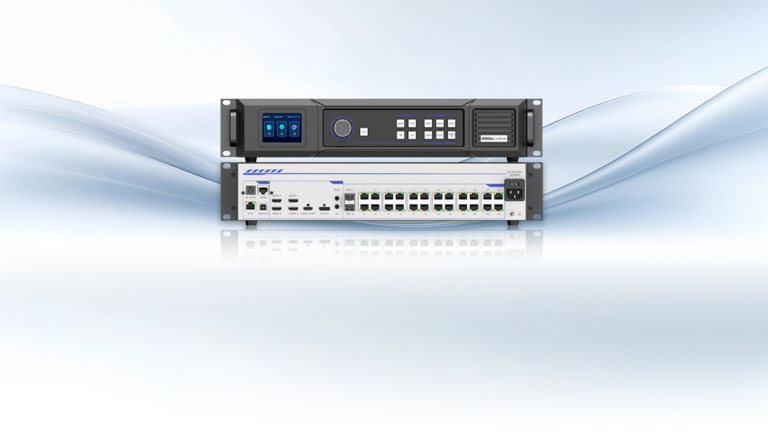
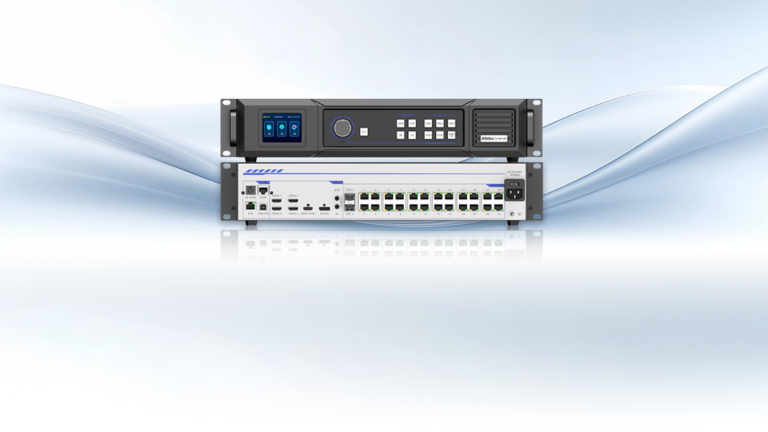
Comparative choices matter most when a display must run perfectly for hours. This guide compares practical strengths and trade-offs across controllers that manage color, timing, and content, with emphasis on real-world outcomes. Many teams start by testing an LED video controller because it combines inputs, pixel mapping, and synchronization in one box. For large public installations — think Times Square, New York City — reliability is not optional; controllers must handle continuous operation and precise frame timing.
Key comparison dimensions
Compare devices on concrete technical dimensions. Prioritize these metrics:
– Refresh rate and frame stability: How steady is the refresh rate under load? High-end controllers keep steady refresh even with complex inputs.
– Latency and frame buffer behavior: Determine end-to-end latency and how the frame buffer manages dropped frames.
– Pixel mapping and color calibration: Accurate pixel mapping reduces artifacts on mixed-resolution panels; color calibration tools ensure consistency across modules.
– Synchronization and multi-unit scaling: For tiled walls, the controller must offer precise synchronization across nodes to avoid visible seams.
– Input support and workflow features: Look for versatile inputs (SDI, HDMI, DVI) and a usable content timeline or mapping UI.
Operational production teardown — {main_keyword} vs {variation_keyword}
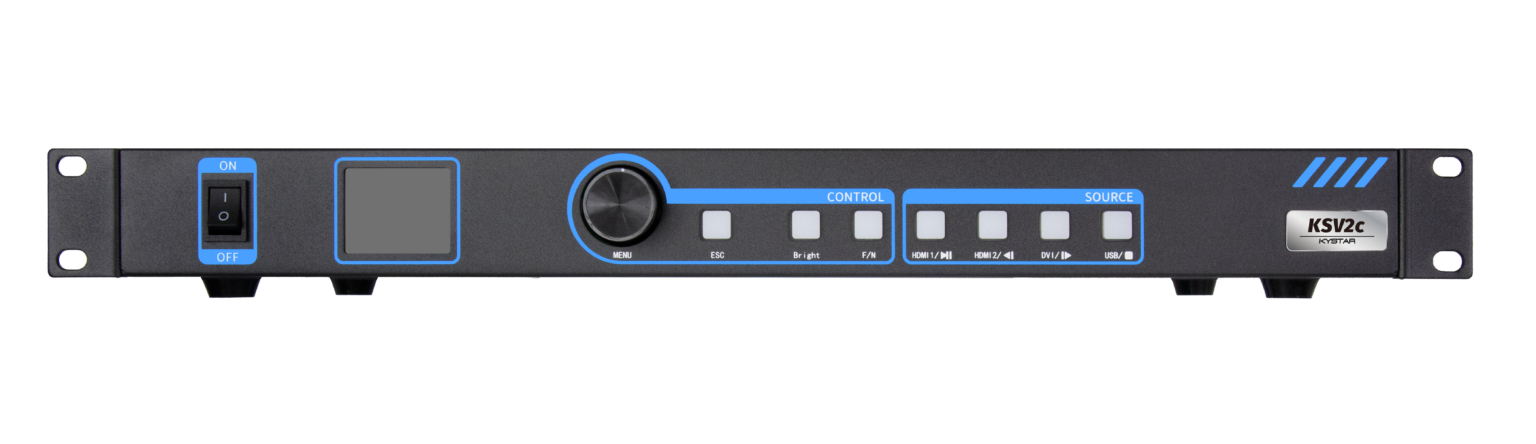
When I strip a production unit down to essentials, the logic is simple: what path does video take from source to LED pixel? Start with source routing, then pass through the frame buffer, apply color profiles, and finally distribute via output ports and network. In many test rigs the choices are obvious: cheaper boards cut corners on frame buffer memory and synchronization, while pro units lock timing across outputs. Use this operational production teardown to spot weak links early. Also consider the full stack: software update cadence, command-line utilities, and remote monitoring — these affect uptime more than raw spec sheets. If you need an integrated option that supports pixel mapping and multi-rate outputs, an LED controller with robust firmware will reduce field headaches — especially under tight deployment windows.
Common mistakes and field tips
Teams often pick controllers by headline specs and then struggle on site. Top recurring mistakes:
– Ignoring actual latency under load; measured lab values can double when network routing is added.
– Overlooking color calibration across panels; visual drift appears over hours unless a calibration plan is in place.
– Underestimating synchronization needs for large arrays; small timing offsets become obvious on moving content.
Field tip: always validate timing with the final media server and the actual LED panels, not just with reference hardware — that saves hours on the day of the event. — Also keep spare configuration profiles ready for different panel densities.
Case example and industry anchoring
Signage districts such as Times Square show what matters: continuous operation, clear color fidelity, and graceful failure modes. Operators there run displays 24/7 and must push new content without visible interruptions; this forces a discipline in controller selection. Use this anchor as a benchmark: if a controller would be comfortable in that environment, it will likely perform well in concert stages, retail facades, or corporate lobbies.
Advisory close: three golden rules
Follow three metrics when you decide. First, measure end-to-end latency with your own signal chain and require a maximum that aligns with your media type. Second, validate synchronization across at least a 2x scale of your planned deployment to reveal timing drift. Third, confirm firmware update policies and remote diagnostic tools to reduce on-site troubleshooting time. These rules make procurement decisions actionable and measurable.
Choose hardware that meets those rules and you reduce risk in delivery — and that is precisely where an experienced vendor adds value, as with Kystar. —