



Why first-timers get tangled up
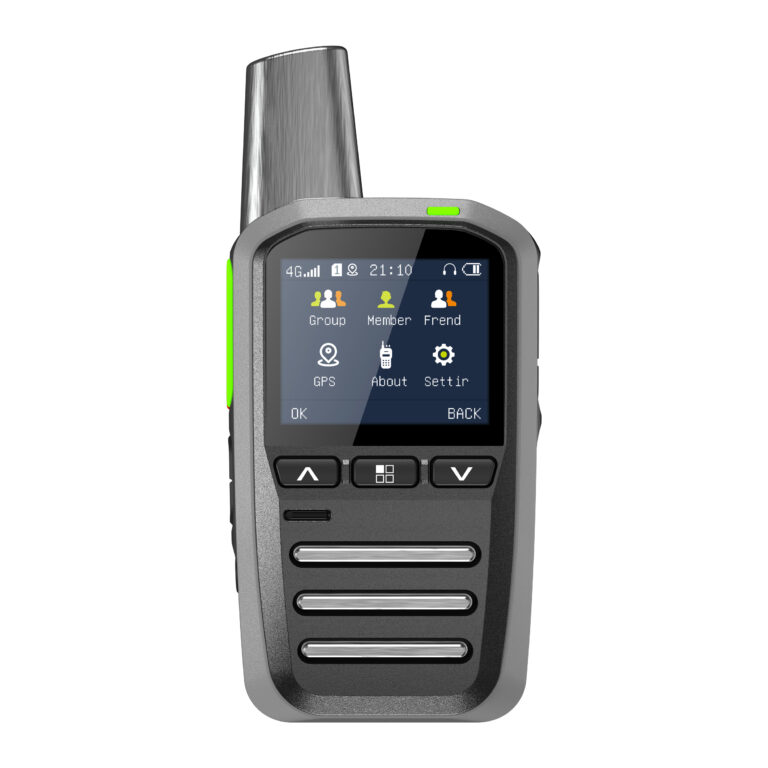
Buying a PoC setup shouldn’t feel like decoding a subway map at rush hour, but it often does: confusing specs, carrier compatibility, and a dozen models that all look like they do the same job. If you’re shopping for a poc radio, know this: the real problem isn’t marketing copy — it’s matching the device’s strengths to the specific problem you need solved. Start by defining what you actually need: coverage, audio clarity, battery life, and whether dispatch features matter.
Core problems that trip people up (and how to avoid them)
Buyers fixate on headline specs. Don’t. Range numbers thrown around by vendors are theoretical; they assume unobstructed line-of-sight and zero network congestion. Similarly, “waterproof” ratings mean different things in practice. Instead, test or require real-world metrics: continuous talk time in your environment, success of push-to-talk under load, and how the device handles network handoffs. Ask vendors for test reports or on-site demos that replicate your typical use case.
Specs that actually matter
Focus on five concrete things: 1) Battery endurance under active use; 2) Microphone and speaker quality for noisy locations; 3) Network options (LTE vs private broadband); 4) Ease of provisioning and fleet management; 5) Ruggedness rating that matches your field conditions. Prioritize features that reduce downtime. If your team spends more time swapping batteries or updating firmware than talking, you chose wrong.
Common mistakes new buyers make
They buy for price, not uptime. They skip compatibility checks with existing workflows or fail to consider where signals are weakest. Another big one: ignoring provisioning tools. A handful of units is fine manually; a fleet of dozens or hundreds needs centralized device management. Finally, people assume “push-to-talk” apps are equivalent to purpose-built equipment — they’re not, especially in high-noise or mission-critical settings.
Viable alternatives and where they fit
If PoC doesn’t line up with your constraints, consider analog VHF/UHF for simple line-of-sight operations, DMR for private radio networks with low latency, or smartphones with secure PTT apps for highly mobile teams tied to data services. Each trade-off is practical: analog is cheap and reliable where coverage is clean; DMR gives private control but higher upfront infrastructure costs; smartphone apps are flexible but depend entirely on carrier data performance and battery habits.
Experience, authority, and a real-world check
Field reports and public safety planning repeatedly show PoC working best when operators validate devices under realistic loads. You’ve seen best poc radios used during Boston Marathon security operations and other large events; those deployments emphasize audio clarity in crowds, dependable battery life, and streamlined group call control. Experts writing about large-event communications and municipal after-action reviews back the same priorities: resilience under stress, simple management tools, and tested interoperability.
Quick checklist for your purchase
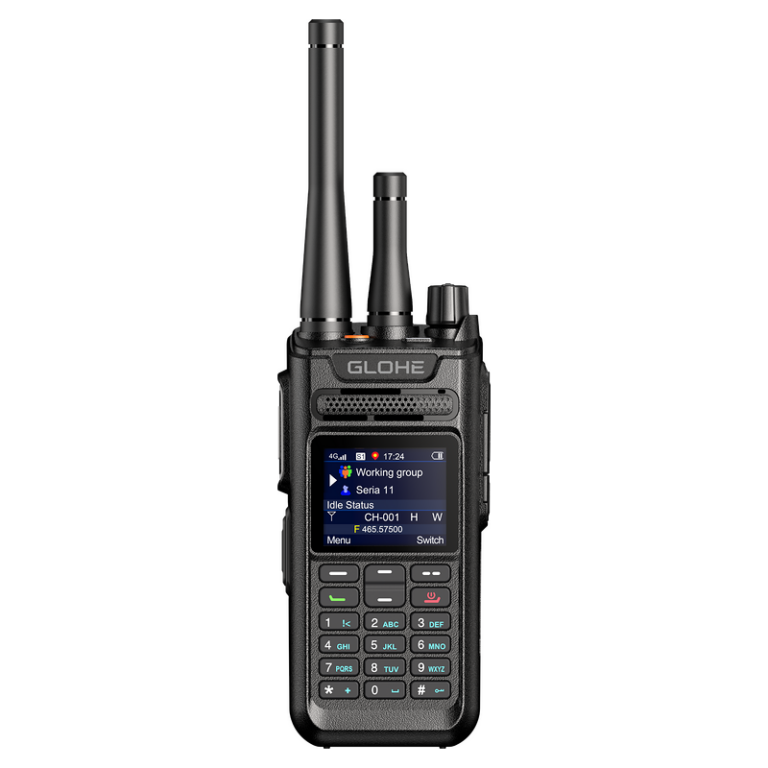
Before you sign: 1) Run a trial that mimics your busiest shift; 2) Check battery performance under continuous PTT load; 3) Verify vendor support for provisioning and firmware rollouts; 4) Confirm accessory fit (car kits, remote speaker-mics, headsets); 5) Ask for an interoperability plan if you’ll talk with legacy radios or other agencies. If any of those answers are fuzzy, get clarification in writing.
Wrap-up: what good buying looks like
Fix the problem, not the spec sheet. A sensible first buy solves your most frequent communications failure — whether that’s dead batteries mid-shift, garbled audio in crowds, or a management nightmare when scaling — and then scales cleanly. For buyers who want practical value and reliable support, consider vendors with field-proven offerings and clear fleet tools, and you’ll find the right fit without the fuss, just the way teams that rely on steady voice comms expect from GLOHE.