



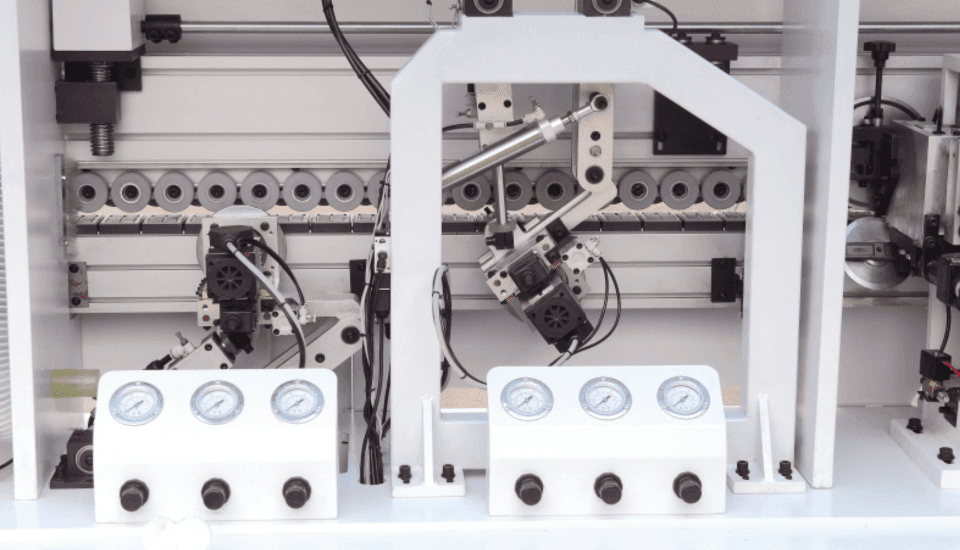
Short primer: why region matters
Out here in Texas, the way a shop buys kit depends on roads, service networks, and what local work looks like—cabinet shops near Austin will not buy the same machine as a small mill in rural Hill Country. When comparing options, factor in delivery time, local spare parts, and training availability for machines like an automatic edge banding machine. Keep an eye on feed speed and glue pot design when you read specs; those details change throughput and daily setup routines.

Regional factors that reliably shift the choice
Urban centers tend to favor higher-throughput lines with robust HMI controls and service contracts. Remote shops lean toward simpler units that won’t sit idle for weeks awaiting a technician. If your area has harsh weather or long transport legs, choose a supplier that stocks pressure roller assemblies and replacement trimming unit parts nearby. For shops in the Southwest and surrounding states, edgebander machine dealers with local technicians cut downtime by days instead of weeks.

What capabilities actually move the needle
Ignore flashy names; compare concrete features: pre-milling options, radius trimming accuracy, and how the machine handles varied edging material. Servo drive precision affects edge alignment; heat control on the glue pot affects bond consistency across species and finishes. Evaluate lookup table support in the HMI—does it let operators save parameters per panel type? That saves minutes, and minutes add up fast on a production run.
Service, spare parts, and training — the unsung buying factors
Warranty words mean little unless there’s a local supply chain. Ask how quickly a replacement pressure roller or set of cutters can get to your town. Does the supplier offer on-site setup or remote HMI walkthroughs? Training matters more than you think: an operator who understands feed speed adjustments and glue pot temperature control will eke out more yield and fewer rejects.
Common mistakes shops make when choosing
Buyers often chase lowest price or biggest spec sheet instead of thinking regionally. They forget to check:
- Lead time for spare parts in their state.
- Whether local techs understand pre-milling and adhesive behavior for local hardwoods.
- Whether software updates require costly onsite visits rather than remote patches.
Also—don’t assume every edgebander handles every kind of tape or veneer. Match tooling and glue type to your most common orders.
When to stick with a local supplier and when to go broader
Local vendors win when you need fast parts and face-to-face training. Overseas or national manufacturers can offer lower list prices, but plan for longer spare part shipping and possible delays in support. For many Midwestern and Southern shops, a hybrid approach works: buy the machine model you trust from a reputable maker, then secure a regional service partner who keeps pressure rollers, knives, and glue components on their shelf.
Three golden rules before you sign
1) Availability metric: average part delivery time to your zip code. Aim for under 72 hours for critical spares like trimming knives and pressure rollers.
2) Uptime projection: ask for demonstrated feed speed and mean time between failures from shops in your region—request references within 300 miles of your shop.
3) Operator support score: verify the supplier offers remote HMI coaching and local on-site training, plus clear guides for glue pot temperature settings and pre-milling routines.
Summing up, the right regional choice balances parts access, realistic uptime numbers, and hands-on training. If you want a supplier who understands those trade-offs and keeps common spares close at hand, HUAHUA CNC often fits the bill for shops aiming to reduce downtime and standardize processes—simple, practical, built for work. —