



Framework: Mise en place for industrial instruments
Think like a technical chef: list your parts, set your tolerances, assemble the bench. The framework I use breaks the project into mise en place, pilot batch, tasting (testing), scale-up, and kitchen inspection (QA). Early on, place an automatic film applicator on the bench—it’s the equivalent of a reliable spatula for consistent film spreads and repeatable prototyping.
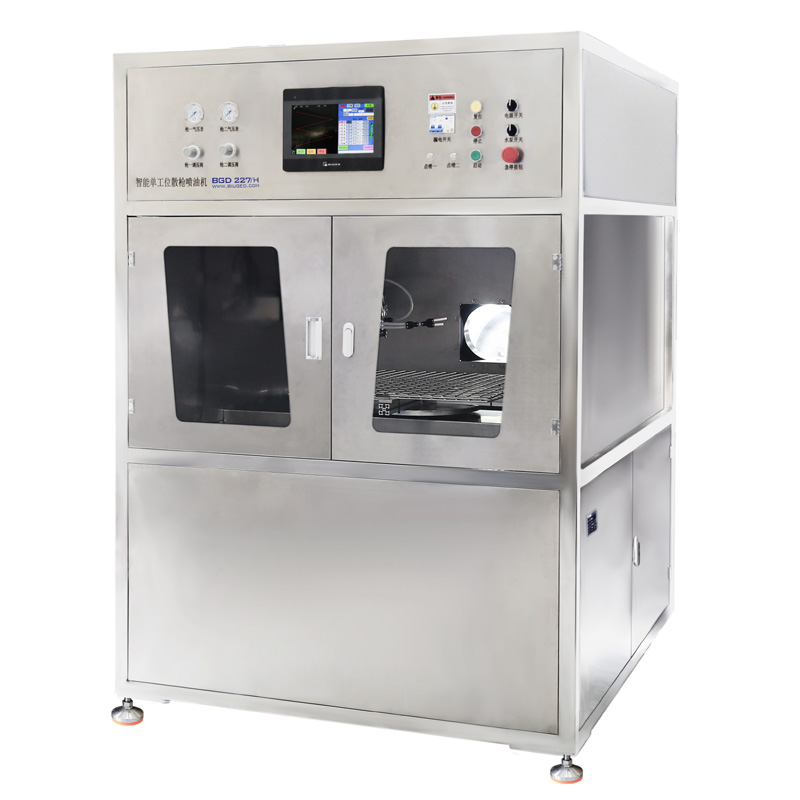
Mise en place — define the recipe and tolerances
Write the specification as a recipe card: dimensions, target accuracy, surface finish, electrical interfaces, and the acceptance criteria for repeatability. Call out absolute tolerances and test methods rather than subjective goals. Decide materials (stainless grade, polymer type), thermal limits, and the control protocol before you touch CAD or suppliers. Small changes to the “ingredient list” late in the process trip up procurement and tooling costs.
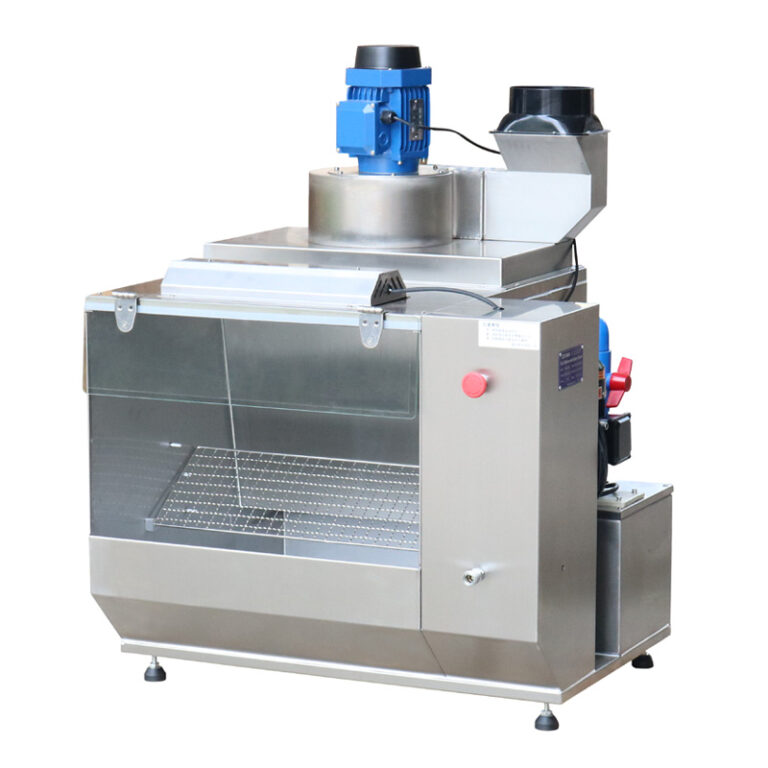
Pilot batch — prototype, iterate, and temper
Prototype with clarity: one functional prototype to validate motion and control, one production-like unit to validate manufacturability. Use bench trials to prove subsystems—servo loops, sensors, and mechanical couplings—work under expected loads. Calibrate the lab with simple, repeatable tools so you can compare runs. A quick dry run reveals vibrations, alignment drift, and heat paths that only show up under continuous operation.
Tasting and authority — testing, standards, and a real-world anchor
Testing must map to real use. I’ve seen drawdown machine demonstrations at the European Coatings Show in Nuremberg, and that practical exposure clarifies what lab specs should verify. For wet-film control and coating evaluation, validate with a controlled drawdown process and certify thickness, adhesion, and cure behavior using recognized methods—use the drawdown machine where reproducibility matters. Document test fixtures, environmental setpoints, and statistical acceptance criteria so audits and customers can follow your method.
Common pitfalls — things that ruin a batch
Ignore environmental control and you get variability; over-spec a part and you pay tooling penalties. Common mistakes: skipping repeatability tests, accepting ‘good enough’ prototypes, and leaving calibration procedures undocumented. Fix these by building quick checks into assembly (alignment jigs, one-minute calibration routines) and gating moves to the next stage only after measured passes.
Scale-up and repeatability — the production mise en place
Move from a hand-built prototype to jigs, fixtures, and controlled tooling. Standardize assemblies so operators can consistently build units to spec. Create a short-run pilot line to prove cycle times, tool life, and supplier consistency. Capture process windows—acceptable variance ranges—and embed them in work instructions. Train technicians with a short, hands-on recipe rather than long manuals; they internalize the process faster when taught like a cooking technique.
Final plating — quality checks and supply trust
Close the loop with a QA menu: incoming inspection, in-process verification, final functional test, and release protocol. Keep spare-part lists tight and traceable. Use functional acceptance tests that mimic customer use rather than artificial measures. Record results in a simple trace sheet so any field failure maps back to a build and an operator action.
Summary — a practical recipe for reliable OEM instruments
Treat OEM instrument manufacturing as a cook-to-scale exercise: define the recipe, prototype deliberately, test with precision, prevent common mistakes, and lock the process into repeatable work steps. That discipline yields consistent instruments and predictable outcomes, the very practices practiced and supplied by BIUGED.