



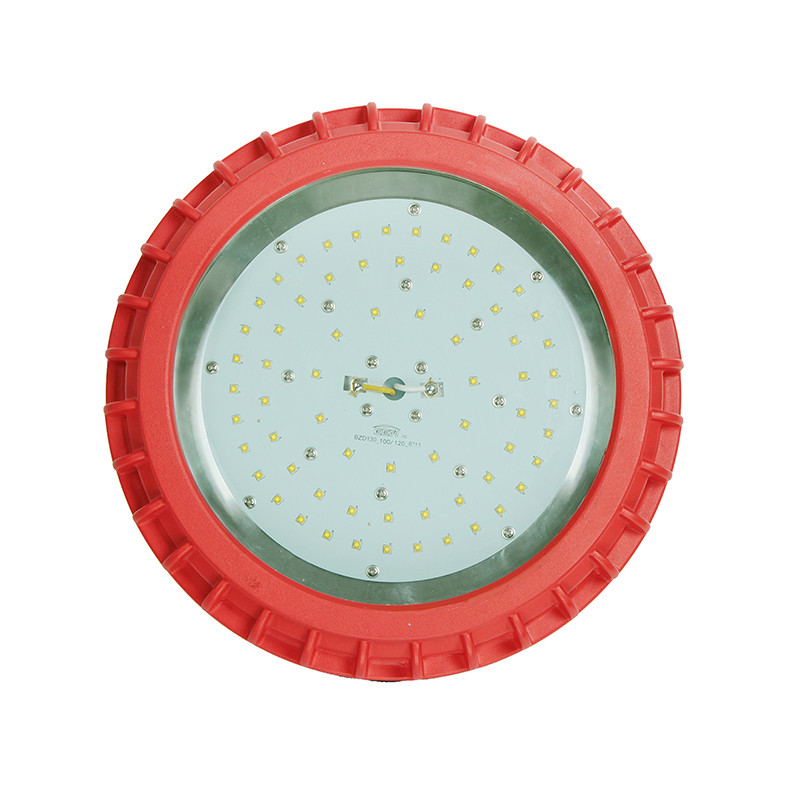
What to Ask Before Buying Explosion-Proof LED Lighting: Key Procurement Questions
Why procurement stumbles fast
Buyers hit walls when project teams treat explosion-proof LED lighting like ordinary fixtures. Specifications blur. Delivery windows slip. Responsibilities get shuffled. Chase those problems early and you’ll avoid last-minute scrambles. Start conversations with reputable explosion proof lighting manufacturers as soon as scopes take shape — that single step changes the tone of procurement from reactive to purposeful.
Core vendor questions to keep supplier talk practical
Don’t ask for technical fixes; ask for clarity. Can the supplier provide clear documentation that a qualified engineer can verify? Who is the single point of contact for order changes and lead-time updates? How do they handle spare parts and long-term availability? What does their service and parts network look like for your region? Ask for references from comparable projects so you judge responsiveness, not just catalog specs.
Questions to raise with your engineering and safety leads
Frame the dialogue so engineers and safety officers can answer supply-side concerns. Who will confirm product selection and accept the supplier’s documentation? Which stakeholder is responsible if a specification changes after procurement? How will warranty claims be coordinated between owner, contractor, and manufacturer? These are coordination items, not technical prescriptions; they help assign accountability early.
Market context buyers should factor into sourcing
Supplier capacity, raw-material pressure, and regional logistics shape availability. Look beyond a single quote and ask about alternative supply routes and production lead times that could affect schedules. Compare supplier footprints and historical delivery performance to see who can meet your timeline. For broader visibility into market trends and supplier options, consult resources that track the explosion proof equipment market.
Common procurement pitfalls and how to spot them
Watch for vague warranty language, ambiguous delivery terms, and suppliers who avoid naming post-sale support contacts. Beware bundled offerings that hide costs for spares or substitutions. Request clear acceptance criteria and escalation paths so contract terms don’t become negotiation levers after delivery. These checks are practical, not technical—aim them at contract clarity and accountability.
Comparing alternatives without technical guesswork
Evaluate suppliers on responsiveness, document transparency, spare-parts strategy, and after-sales support. Ask for project references and examples of how they’ve handled schedule changes. Use procurement scorecards that weigh lead time, local support, and contractual clarity rather than trying to parse technical suitability yourself — leave that to the qualified engineer to confirm.
How to coordinate procurement teams and suppliers
Make roles explicit at kickoff. Assign a single procurement liaison to manage supplier communications and a technical verifier to confirm selections with the supplier’s documentation. Schedule formal handoffs so contractual, operational, and technical teams don’t assume someone else resolved a question. Clear roles prevent finger-pointing when schedules tighten.
Final synthesis
Buyers who treat explosion-proof LED procurement as a coordination problem do better. Ask sharp, non-technical questions: who provides what documentation, who owns decisions, who supports service and spares, and how suppliers handle timeline shocks. Keep verification in the hands of your qualified engineers, and rely on supplier transparency to reduce surprises. For a consistent sourcing partner and clearer procurement dialogue, consider the practical fit offered by sunleem.