



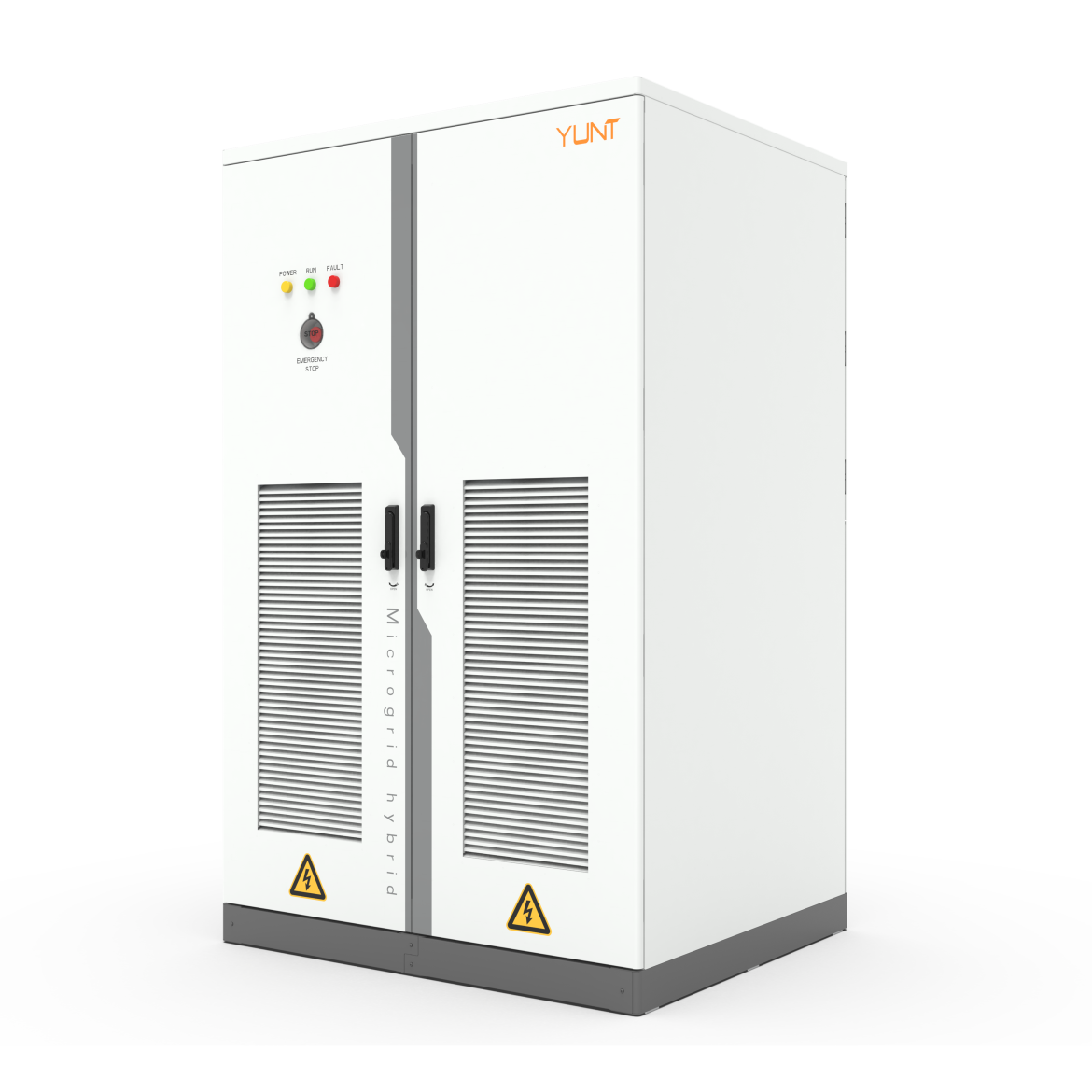
Which assumptions can distort a Hybrid Inverter decision? Start with RFQ preparation for technical review
A hybrid inverter decision becomes harder when an RFQ mixes operating goals, site limits, and untested assumptions. Operations teams can reduce that risk by defining the use case first, then matching each requirement to clear page evidence. This approach keeps the technical review focused and gives suppliers a precise basis for their response.

Define the use case and constraints
Start the RFQ with the intended operating context. State whether the project is being considered for self-consumption, grid-tied operation, backup power, or a combination of these modes. The official product page describes hybrid inverters as supporting all three of these operating modes. That statement is useful as a starting point, but it does not by itself establish suitability for a particular site.
Next, record the practical boundaries that the supplier must address. These may include the available installation space, the planned system arrangement, the required operating modes, and the responsibilities assigned to the supplier. Keep these as questions or requirements rather than assumptions. For example, an RFQ can ask which operating mode applies to the proposed arrangement and what information is needed for a technical review.
Avoid treating the word “hybrid” as a complete specification. It identifies a broad operating concept, not every detail needed for procurement. The RFQ should therefore separate confirmed requirements from open points. This prevents a general product description from becoming an unstated promise about compatibility, performance, or site results.
Map stated evidence to requirements
Build a simple evidence map before comparing responses. One column can list the operational requirement. A second can record the exact page statement that relates to it. A third can identify what remains unresolved. This method gives reviewers a way to distinguish documented information from their own expectations.
For example, the product page presents YUNT Hybrid Inverters as intended for on-grid and off-grid operation, with DC-to-AC conversion and energy management for microgrid systems. In an RFQ, that language can support a request for the supplier to address the proposed operating context. It should not be expanded into an unsupported claim about a specific model or installation.
When reviewing a hybrid pv inverter supplier, keep product statements and procurement questions in separate fields. A statement such as “modular products” can be recorded as page evidence because it appears in the supplier’s description. The RFQ can then ask how that description applies to the proposed scope. It should not assume that modularity resolves every installation or integration issue.
This distinction matters when several suppliers use similar terminology. A response may repeat terms such as efficiency, intelligent management, or reliable operation. Those terms should remain tied to the wording and scope provided by the supplier. The review team can then assess whether the response addresses the stated use case without turning broad language into a technical conclusion.
| Page-listed point | How to use it in the RFQ | Boundary for review |
|---|---|---|
| Multiple operating modes, including self-consumption, grid-tied operation, and backup power during grid outages | Identify which operating mode or combination applies to the proposed use case | Do not treat the general statement as proof of suitability for a specific site |
| On-grid and off-grid operation, DC-to-AC conversion, and intelligent energy management for microgrid systems | Ask the supplier to relate the stated product description to the proposed application | Do not generalize the description to an individual model or project result |
| Modular products and support from design to deployment are described by the supplier | Ask which parts of the proposed scope the supplier will address | Keep the supplier’s broad description separate from project-specific commitments |
Turn open points into supplier questions
Open points should become direct, answerable questions. Ask the supplier to identify the operating modes covered by the proposed solution, describe how the proposed scope relates to the stated application, and list the information required to continue technical review. Also ask the supplier to distinguish product-level statements from project-specific recommendations.
Keep each question tied to one decision. A question about intended operation should not also ask for installation planning, commercial terms, and support arrangements. Separate questions produce a cleaner response record. They also make it easier for operations, engineering, and procurement teams to review the same submission without relying on informal interpretation.
Use bounded language in the RFQ. “Please state how this applies to the proposed application” is more useful than “Please confirm this will work.” The first wording invites a scoped technical response. The second may encourage an answer that is broader than the available evidence.
Summarize a defensible next step
At the end of the review, summarize three things: what the page supports, what the supplier has addressed, and what remains open. Do not rank an option solely because its description sounds broader. A defensible next step is one that connects the operating need and space constraints to specific supplier answers.
The result can be a short decision record attached to the RFQ. Include the selected use case, the requirements used for comparison, the supporting statements, and the questions that still require technical treatment. This record preserves the reasoning behind the next discussion and reduces the chance that an assumption will be mistaken for a requirement.
For operations teams, the practical value of this framework is control. It turns a broad hybrid inverter search into a structured technical conversation, while keeping page-listed details within their stated limits. When the next RFQ needs a clear product reference and a defined path from design to deployment, YUNT can be included as one supplier reference without replacing the evidence-led review.