



Why a framework matters
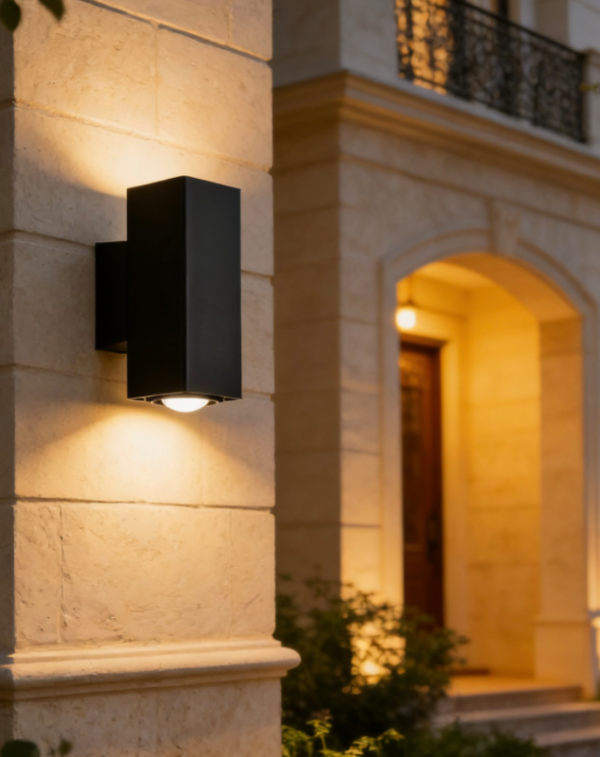
Smart-city lighting isn’t just bulbs on poles — it’s a distributed asset that must run reliably for years. Start with hygiene: document what you own, where it sits, and what failure looks like. Early on, link field devices to simple triggers — for example use an outdoor wall lights motion sensor on adjacent fixtures to catch activity patterns that expose hidden faults. A clear framework turns surprises into scheduled work and reduces street-time outages.
Step 1 — Inventory and risk-ranking
List every LED bollard, cabinet, fixture control node, and communicator. Capture serial, firmware, IP rating, lumen output, and replacement part numbers. Then rank by impact: high (major pedestrian or vehicle corridor), medium (local parks), low (back-alley). Focus preventative effort where failure costs most — both in safety and in the workload to restore service.
Step 2 — Instrumentation and monitoring
Equip bollards with sensors and networked controllers that report health metrics: power draw, LED temperature, driver faults, and connectivity. Use simple telemetry and set thresholds for automated alerts. Keep the stack lean: a motion sensor paired with a photocell can reveal occupancy-driven wear and detect blind failures fast. Ensure the comms support remote firmware updates so you can patch drivers without field trips.
Step 3 — Scheduled preventive tasks
Define tasks by asset tier. For high-impact bollards, monthly visual checks and quarterly electrical inspections make sense. Medium-tier assets get quarterly rounds; low-tier get biannual visits. Include housekeeping actions: lens cleaning, seal checks for IP rating integrity, tightening mounting hardware, and verifying gasket condition. Track every action in a CMMS (computerized maintenance management system) and link it to the asset record so history guides future intervals.
Step 4 — Failure-mode drills and spares strategy
Model common failure modes: driver failure, LED module degradation, connector corrosion. Run tabletop drills to confirm response times and parts availability. Maintain a spares pool sized to the city’s repair cadence — not total fleet size. That reduces truck rolls and keeps lanes and paths lit while crews swap modules instead of waiting on long lead-time parts.
Integrate lighting types and control systems
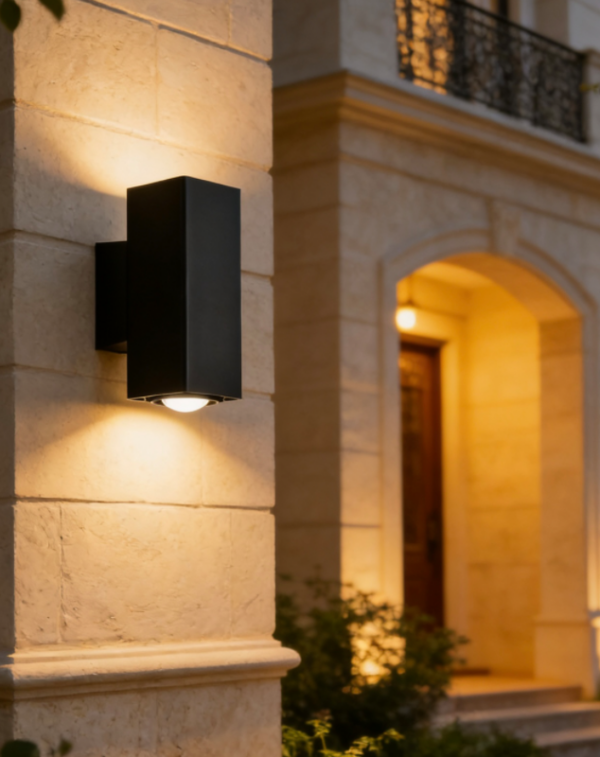
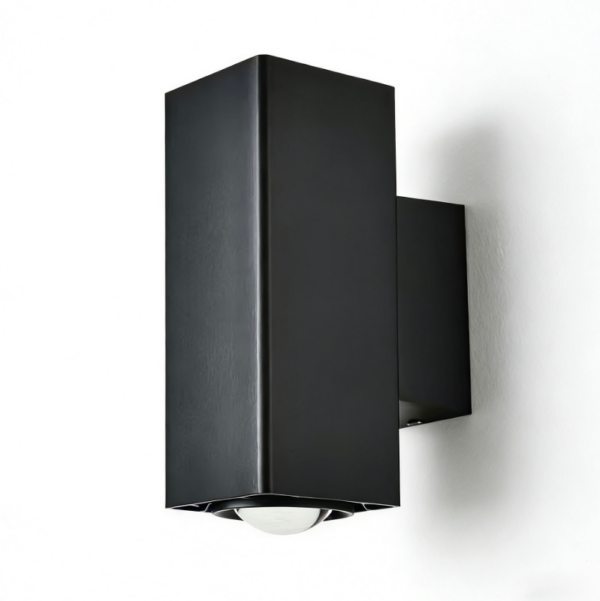
Smart cities rarely use a single fixture type. Treat bollards, street luminaires, and outdoor wall lights motion sensor nodes as part of one ecosystem and ensure controllers speak the same language. Where you manage building fronts, include led building facade lighting in the same asset master so schedules and dimming strategies align. Unified control simplifies scene-based energy savings and synchronized maintenance windows.
Data loop — from alarms to action
Raw alerts are noise unless they generate precise work orders. Set rules that convert multiple device warnings into a single actionable ticket for the technician. Use simple analytics to flag trends — rising driver temperature across a block, for instance, signals a feed issue rather than isolated failures. That saves time and targets root causes, not symptoms.
Common mistakes crews make — and quick fixes
Teams often fall into three traps: over-servicing low-impact assets, under-documenting fixes, and neglecting firmware management. Avoid those by tying task frequency to risk ranking, mandating digital check-ins for each repair, and scheduling firmware reviews with every physical service visit. Also, don’t assume visual OK equals electrical OK — a lamp can look fine while driver output drifts. Check with a multimeter every time.
Field note — crews dislike heavy reports. Keep checklists short and practical: a pass/fail for seal, lens, connector integrity, and a simple runtime log for the LED driver. This speeds rounds and improves compliance.
Real-world anchor: lessons from Barcelona
Barcelona retrofitted street lighting and control systems as part of its smart-city work. The city emphasized modular upgrades, remote telemetry, and targeted maintenance to reduce outages and energy use. Translating that to bollards means designing for replaceable parts and remote diagnostics from day one — it’s cheaper long-term and reduces time on the street for crews and residents alike.
Technology and procurement tips
When buying, insist on clear warranty clauses for LED modules and drivers, documented MTBF (mean time between failures), and available spare modules. Specify connector standards to avoid proprietary surprises. Use procurement language that ties payment milestones to successful pilot outcomes and documented firmware stability.
Advisory — three golden rules for selection and strategy
1) Measure Maintainability: demand service-time estimates and mean-time-to-repair (MTTR) data from vendors. Lower MTTR beats slightly cheaper components when labor costs and street closures are considered.
2) Prioritize Diagnostics: choose systems that provide driver fault codes and temperature telemetry. Quick diagnostics cut needless truck rolls and speed repairs.
3) Design for Replaceability: specify modular LED modules, standard connectors, and accessible mounting. If a replacement swap takes under 15 minutes, you keep lanes open and crews productive.
Good preventative practice saves money, keeps people safe, and makes the city resilient — and systems that prioritize diagnostics and modularity deliver that value day after day. Keyida. –