



Introduction — a quick, practical start
I was on a small fishing trip when the engine hiccuped and we drifted for an hour — not fun, and frankly a little scary. In situations like that, an electric motor is not just hardware; it’s the difference between a smooth trip and a headache. About 60% of small-boat owners I talk to say unexpected motor issues cost them time and money, and they ask: how can we make maintenance and upgrades easier without trading off reliability? (I’ve been there — I get it.) Let’s start with what usually goes wrong, and then I’ll show how to move forward with clearer choices and fewer surprises.
Where traditional boat motor fixes fall short
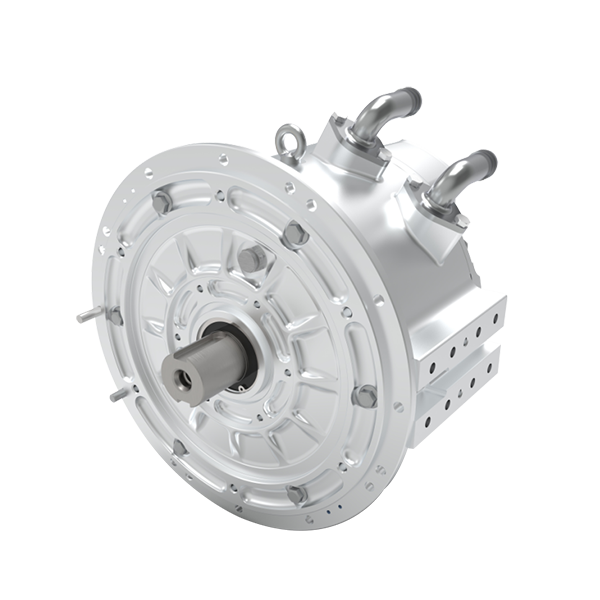
boat motors are often treated like black boxes: when something breaks, people patch it. That’s a problem. At the core, many fixes focus on immediate symptoms instead of underlying electrical and mechanical mismatch. For example, older control setups ignore torque density limits and rely on simple relays or basic power converters that can’t handle variable loads. I’ll be blunt — that short-term thinking makes repeat failures more likely. Look, it’s simpler than you think: start by checking whether the drive electronics match the motor’s thermal envelope and torque curve.
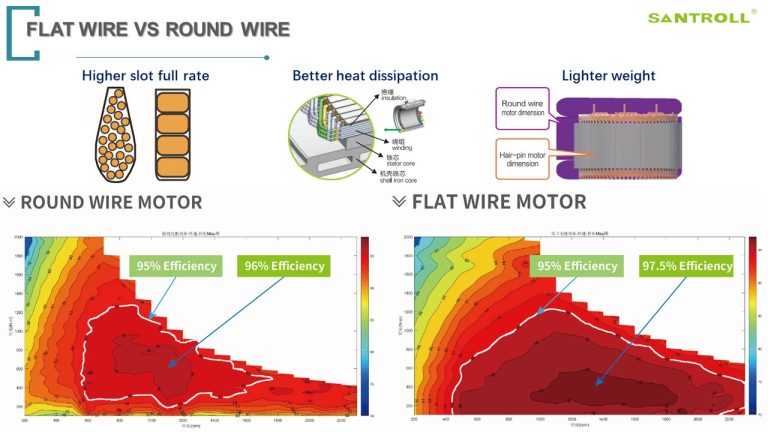
Technically speaking, two big flaws repeat across projects. First, insufficient attention to thermal management lets the motor run hot under sustained load, which shortens the winding life. Second, poor integration between the controller and the motor — e.g., using mismatched field-oriented control algorithms or ignoring sensorless control limits — causes inefficient operation and jerky starts. These are not glamorous issues, but they matter. I’ve seen well-meaning teams replace expensive parts when a tuning change would have fixed things — funny how that works, right? In short: stop treating symptoms. Diagnose the control strategy, the cooling path, and the mechanical load path.
Why does this still happen?
Often, people lack accessible diagnostics. Without clear fault codes or an efficiency map, teams guess. Guesswork costs time and cash. I prefer methodical checks: measure torque, verify current spikes, and map temperatures over a run. That tells you what to fix first.
Next steps — principles for modern marine motor performance
Moving forward, I recommend a principles-first approach. Start with compatibility: choose a controller and a motor that were designed to work together. Modern designs lean toward compact, efficient drives and smart thermal paths. For many small craft, a permanent magnet synchronous motor makes sense because of its high torque at low RPM and better efficiency. I’ve found that pairing the right motor with an adaptive controller reduces energy loss and smooths operation — and it reduces surprise repairs. Less noise, less fuss. Simple wins.
Next, emphasize diagnostics and modularity. Add accessible sensors, log a few runs, and look at the efficiency map. If you can see where power converters spike or where temperature climbs, you can act before things fail. Also, plan for maintainability: small panels, clear connectors, and easy access to the controller. These choices save time and lower stress for the crew. We should design systems that humans can service comfortably, not systems that require a factory visit for every hiccup — that’s my bias, but it comes from real days on the water.
What’s next
To wrap up, here are three practical evaluation metrics I use when choosing or upgrading a marine motor system: 1) Thermal headroom — how much continuous load can the motor take before hitting critical temps? 2) Control compatibility — does the controller support the motor’s field-oriented control profile and sensor inputs? 3) Serviceability — can a competent technician access and replace key modules without specialized factory tools? Use these to compare options and you’ll avoid the common traps. I care about reliability, and I want you to spend more time enjoying the water than fixing things. For parts and detailed specs, check out Santroll — they have clear documentation and sensible modular designs that help teams get it right.