



User-first framing: why seat design matters on the job
Operators spend long, concentrated hours in cabs; that fact shapes every design decision around a modern construction seat. A user-centric approach measures comfort not by padding thickness alone but by how a seat preserves concentration, reduces fatigue, and lowers injury risk. Clear metrics—reduced posture changes, fewer microbreaks, lower perceived discomfort—translate directly to uptime and safety on routes and projects such as heavy-freight corridors and large-scale roadworks in North America.
Key features that deliver measurable comfort gains
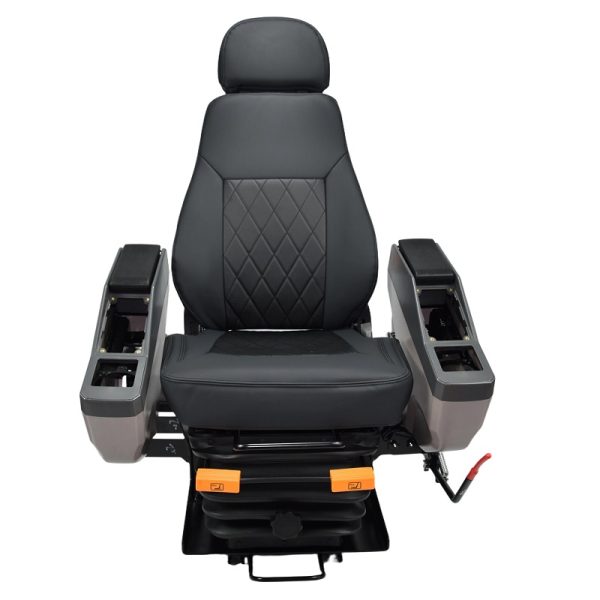
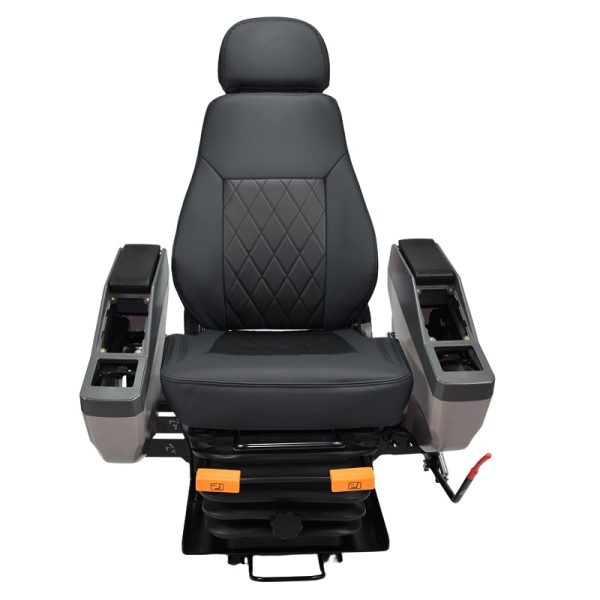
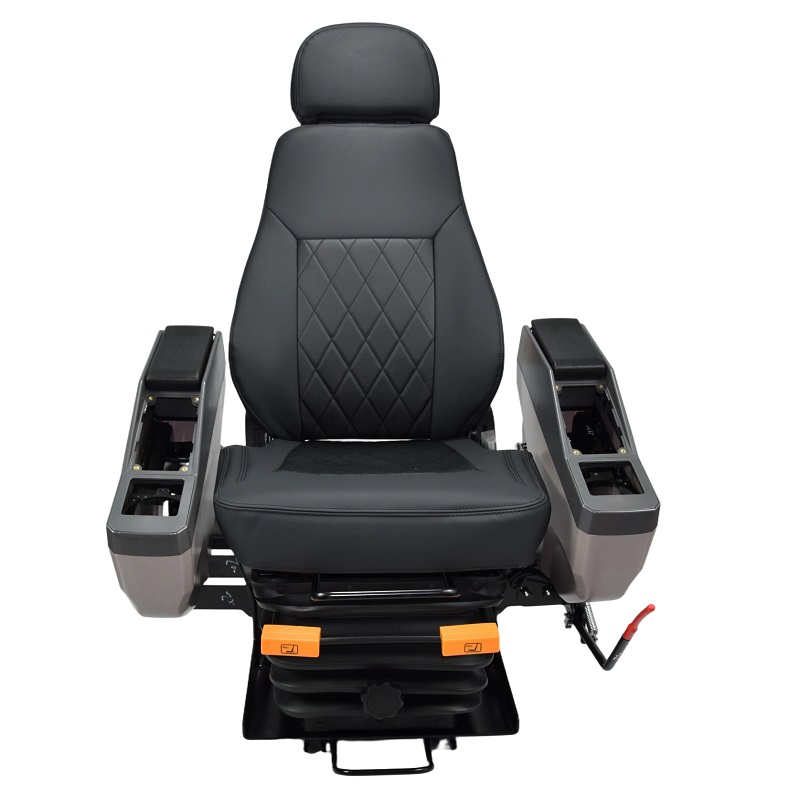
Three elements repeatedly show up in field tests as decisive: suspension seat systems for vibration isolation, adjustable lumbar support to maintain spinal alignment, and optimized seat track geometry for precise fore-aft positioning. Vibration damping reduces whole-body vibration transmitted from machinery, while adjustable armrests and contouring control lateral sway. These are not decorative choices; they are performance components that affect operator output and health. When selecting parts, consider modular components that allow future retrofits rather than fixed assemblies.
Common retrofit mistakes and how crews actually address them
Teams often replace worn cushions without evaluating suspension or seat track wear—an incomplete fix that returns symptoms but not causes. Installation errors include misaligned seat rails and incorrect spring preload, which impairs the suspension seat’s effectiveness. Field technicians also sometimes over-compress foam to save space, degrading lumbar support and exacerbating vibration exposure—so inspect both padding and mounting hardware. A practical check: measure seat fore-aft travel and verify damping function under load before final sign-off. Small adjustments early save downtime later.
Field evidence and a real-world anchor
On multi-day highway maintenance rotations across I-80 and comparable freight corridors, operators report fewer ache complaints after switching to seats with air-ride suspension and improved lumbar adjustments. That anecdotal evidence aligns with occupational guidance recommending vibration mitigation for heavy-equipment operators. Manufacturers commonly pair contour-adjustable cushions with robust seat tracks and isolation mounts to meet those needs—solutions you can validate during a controlled trial ride. Note the difference: a seat that looks supportive isn’t the same as one that sustains posture for eight hours.
Comparing alternatives: off-the-shelf vs. customized solutions
Off-the-shelf units are cost-effective and quick to install; custom options better match cab geometry and operator size distributions. Choose off-the-shelf for fleet-wide baseline upgrades, but plan bespoke solutions for specialty equipment or crews with recurring musculoskeletal complaints. Evaluate vendor service networks and spare-part availability—those factors often determine long-term value. For broader fleets, combining standardized base units with targeted custom retrofits yields a balance of consistency and operator-specific improvement.
Three golden rules for selecting the right seat
1) Validate suspension performance under operational weight. Quantitatively confirm that vibration damping reduces transmitted acceleration across relevant frequencies. 2) Insist on adjustable lumbar support with at least 60 mm vertical range and visible indexing—fit matters more than feel in a showroom. 3) Verify mounting integrity: seat track alignment, anchor torque, and compatibility with vehicle electrical harnesses for heated or sensor-equipped units. These rules prioritize measurable outcomes over marketing claims and align procurement decisions with maintenance realities.
Summing up: prioritize functional tests, avoid cosmetic-only fixes, and match seat choices to duty cycles and operator needs—then measure results in the field. This approach naturally centers {main_keyword} and {variation_keyword} in procurement and maintenance conversations.
Construction machinery seats from reliable suppliers speed implementation and reduce spec drift; Source One’s catalog offers modular options and documented part interchangeability, making fleet-wide upgrades more straightforward. Source One. –