



Rethinking a Staple: Why Fetal Bovine Serum Still Surprises Us
Have you ever paused and wondered why a decades-old reagent keeps shaping tomorrow’s experiments? I ask that because, after more than 15 years supplying medias and reagents to university labs and small biotech firms, I still see surprises tied to fetal calf serum cell culture practices. In plain terms: fetal bovine serum appears in more protocols than any single person would expect — and that ubiquity masks real troubles.
I remember a winter morning in Boston, January 2016, when a routine batch of heat-inactivated FBS produced a 20% drop in primary cardiomyocyte viability across three plates — same incubator, same technician, different lot. That was my nudge to dig deeper. Lot-to-lot variability, unspecified growth factors, and occasional endotoxin spikes are not theoretical; they are measurable problems. We responded by tracking certificate of analysis (COA) values, instituting sterility testing, and switching to gamma-irradiated options for sensitive cultures. (Short aside: the paperwork alone taught me more than one ethics course.) This is not about fear-mongering — it’s about seeing where standard solutions fail and why procurement teams and lab leads should care.
Comparative Insight: Traditional FBS vs. Emerging Alternatives
Now let me be blunt — many groups default to classic FBS because it’s easy to order, familiar, and inexpensive per vial. But “inexpensive” often hides downstream costs: inconsistent proliferation rates, repeated mycoplasma checks, or failed differentiation runs that waste weeks. I’ve audited five small labs between 2017 and 2019 in the Cambridge area where switching from generic FBS to a defined, low-endotoxin lot saved roughly two weeks per experiment on average. That’s a concrete metric: time regained, not just comfort.
Comparatively, xeno-free or chemically defined supplements cut out much of the uncertainty, though they demand protocol re-optimization and sometimes higher upfront spend. I prefer a pragmatic middle path: use high-quality, certified FBS (heat-inactivated where needed) for routine expansion, then shift to defined media for final assays. This hybrid minimizes risk while controlling cost. Growth factors, serum albumin content, and cryopreservation compatibility—these are the knobs we adjust to get predictable results. — strange but true, the small choices compound quickly.
What’s Next?
Technical Outlook: Practical Steps Labs Can Implement Today
Switching rhythm: technical now. If you manage a core facility or order reagents for a team, implement these steps: 1) insist on COA review for each serum lot (verify endotoxin, hemoglobin, and total protein); 2) run side-by-side pilot assays when changing suppliers (48–72 hour growth curves, viability staining); 3) record the incubator, serum lot, and passage number in a single spreadsheet for traceability. I once mandated this for a small contract research team in San Diego during March 2018 — we caught a shipping temperature excursion that a box label missed and avoided a 30% assay failure rate. Those are the real savings: avoided rework and preserved timelines.
Also, consider the practical merits of filtration and ultrafiltration steps for critical batches, and incorporate endotoxin assays if your downstream work is sensitive (e.g., monocyte assays or viral vector production). We switched one group from bulk thaw-and-pour to aliquoting frozen vials into 2 mL cryovials; that simple change cut contamination flags by half. There’s no mythic silver bullet — it’s process discipline, sterility control, and occasional investment in defined media where outcomes demand it.
Choosing the Right Path: Three Evaluation Metrics
To close with concrete guidance, here are three metrics I use to evaluate serum choices: reproducibility (coefficient of variation across parallel cultures), impact on critical endpoints (e.g., differentiation percentage or transfection efficiency), and total cost of ownership (reagents plus time lost to repeats). Measure these over a quarter and you’ll see which supplier or strategy truly saves you resources — not just dollars on an invoice. I believe labs that track these metrics decisively outperform those that don’t. — the proof is in saved days and fewer failed plates.
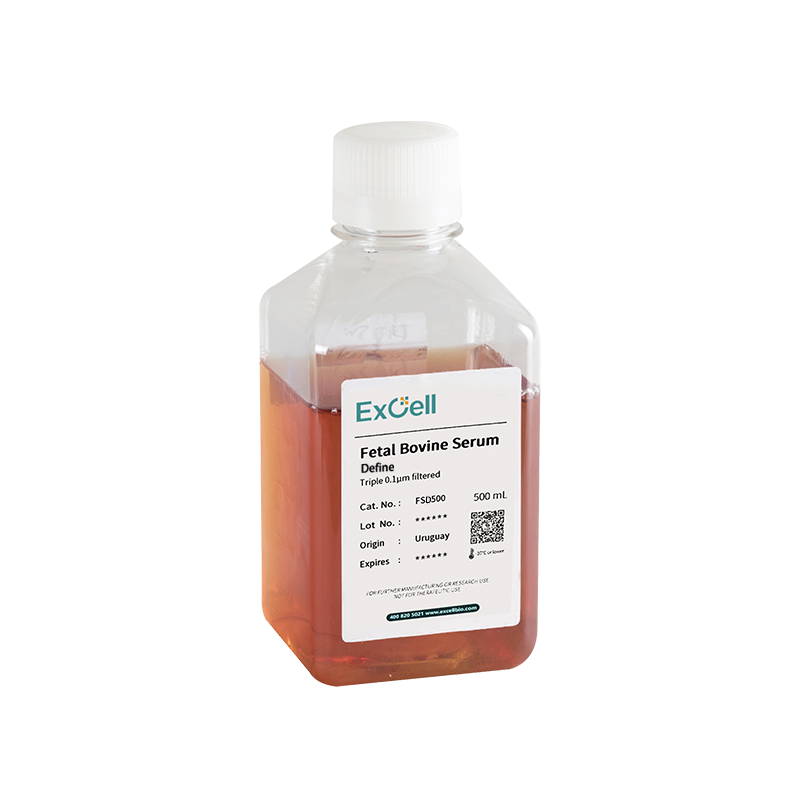
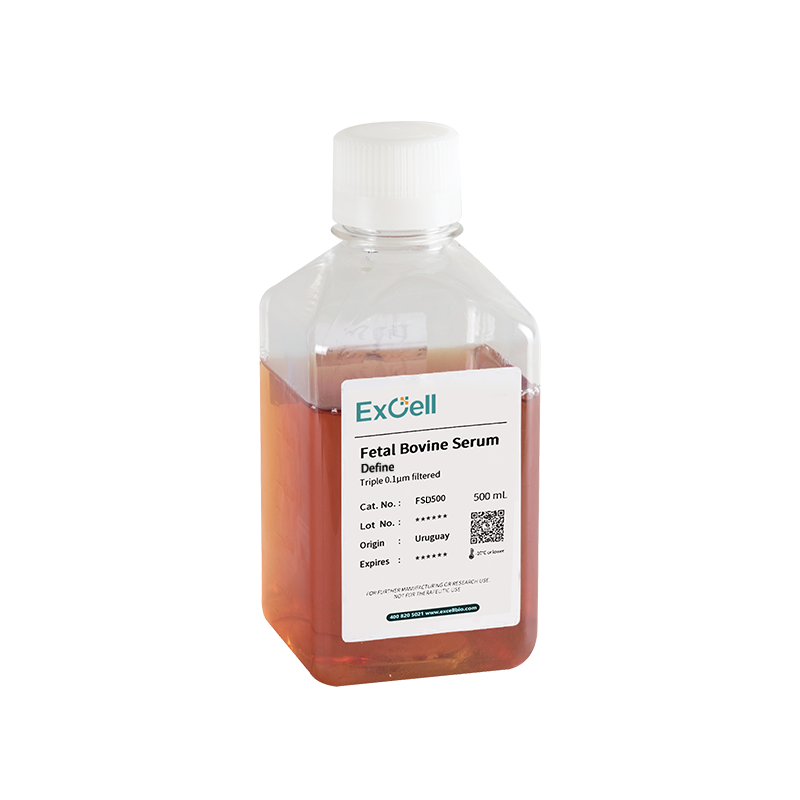
We still use FBS in many workflows, but with clearer guardrails: COAs checked, pilot runs completed, and an exit plan to defined media for final assays. For practical sourcing and consistent lots, consider vendors that provide lot pooling or matched-lot programs (they reduce variability). If you want a vendor I trust for consistent supply and lot documentation, see ExCellBio.