



Introduction: a pragmatic entry
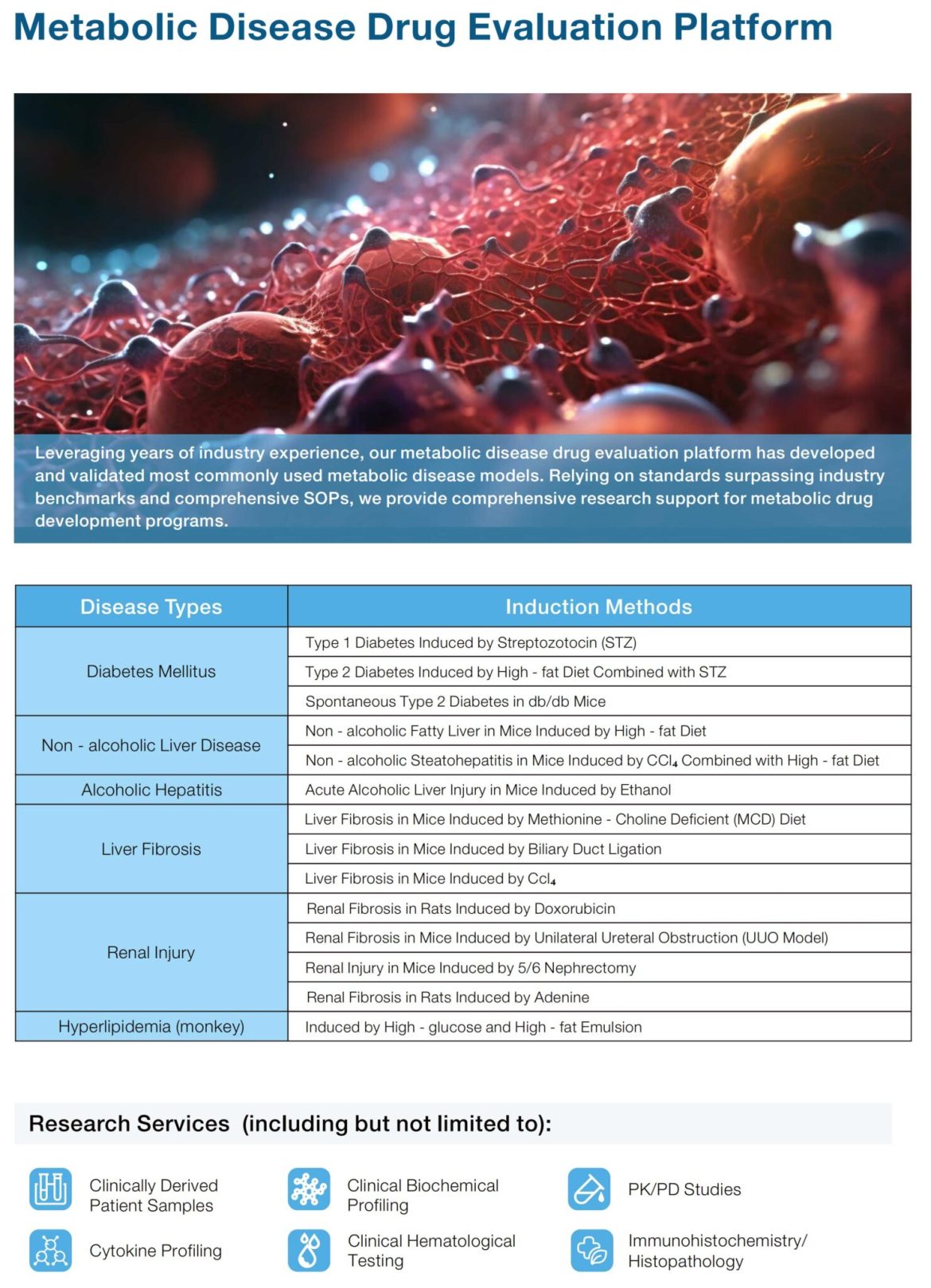
Non‑GLP toxicology studies often get dismissed, pero they serve a clear role: fast, cost-effective signals before committing to full GLP programs. Labs using exploratory pipelines—linked to metabolic disease models for cross-phenotype checks—can triage compounds early, refine dose-ranging strategies, and avoid wasted runs. This is the kind of practical staging that helps teams test mechanism, check early pharmacokinetics, and validate biomarkers without the overhead of formal compliance.

Comparative advantage 1: speed and flexibility
Compared with GLP, non‑GLP runs are faster. Protocols can change mid-study, endpoints can be exploratory, and sample throughput increases. For a cancer lead series, that means quicker decisions on tolerability and initial efficacy signals using rodent model cohorts that mirror intended disease biology. Faster cycles equate to fewer blind alleys before committing large budgets.
Comparative advantage 2: cost control and smarter resource allocation
Budgets tighten in preclinical stages—non‑GLP studies let teams allocate GLP spend only to the best candidates. You save on documentation and independent auditing costs, and you still collect useful histopathology and biomarker data. That freed capital often funds additional in vivo screening arms or molecular readouts that sharpen translational confidence.
Comparative advantage 3: hypothesis-driven design
Non‑GLP work shines when the goal is hypothesis testing: mechanism validation, PK/PD alignment, or target engagement. It’s not a substitute for GLP safety packages, but it offers a sandbox to iterate on assay conditions, tweak doses, and look for early red flags. Teams can pair short-term toxicology with focused pharmacokinetics assessments to map exposure margins quickly.
Comparative advantage 4: integration with metabolic and obesity models
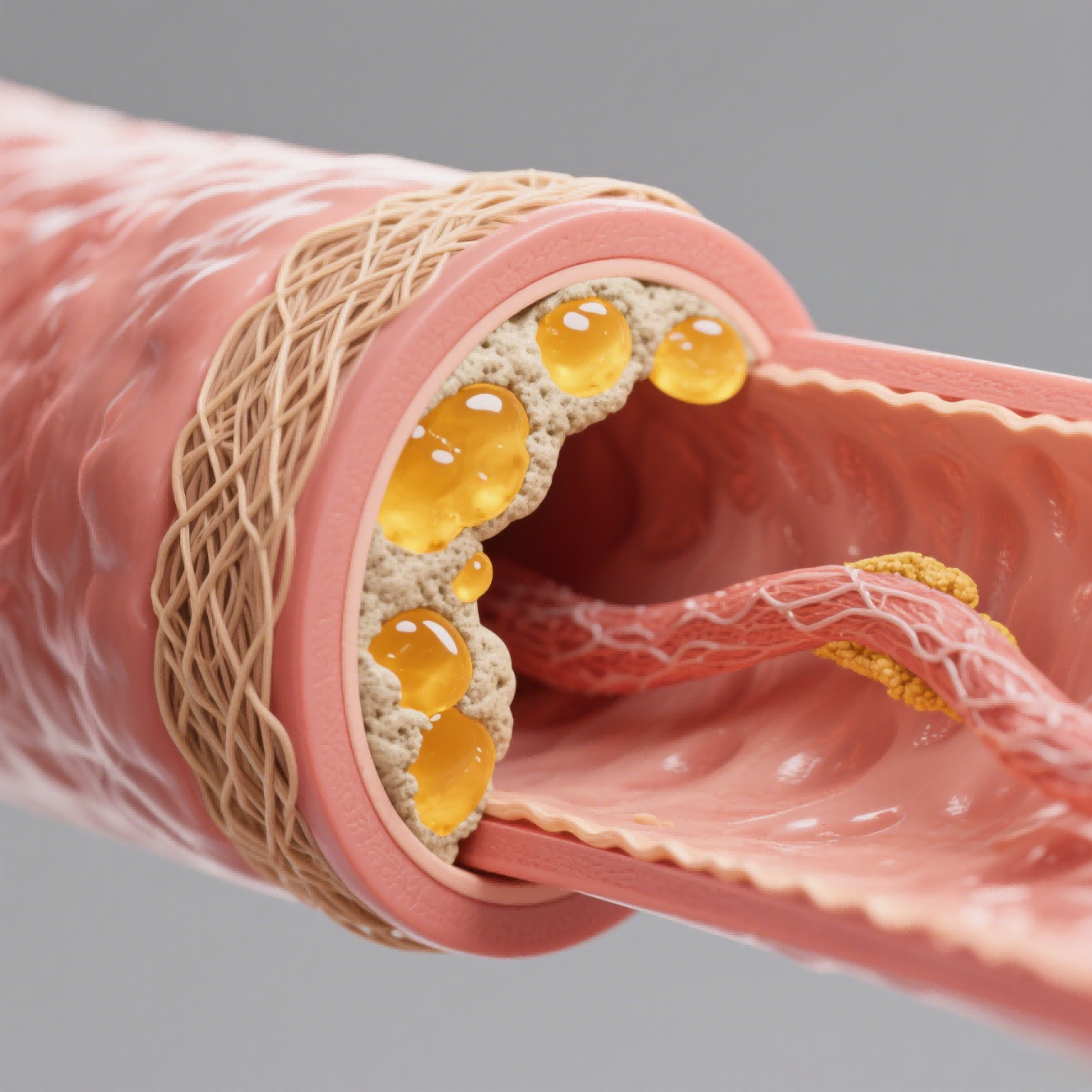
Oncology intersects metabolism more than people expect. Integrating non‑GLP toxicology with dedicated disease models improves relevance: for example, using obesity animal models to assess how adiposity alters drug distribution or toxicity. This cross-model validation reveals clinically meaningful interactions early and can prevent surprises in later stages—especially important given WHO data that global obesity rates have risen dramatically since 1975, reshaping patient populations worldwide.
Comparative advantage 5: ethical and operational efficiency
Smaller, focused cohorts reduce animal use while still yielding actionable endpoints. Non‑GLP work encourages clear stop/go criteria and iterative refinement so fewer animals are exposed to ineffective or unsafe doses. The approach supports humane practices and aligns with institutional review expectations without sacrificing scientific rigor.
Practical setup, common mistakes, and operational notes
Set clear objectives before starting: define key endpoints, sampling schedule, and statistical tolerance. Avoid the trap of treating non‑GLP as casual—document consented deviations and maintain chain of custody for critical samples. Common mistakes include underpowering cohorts, skipping blinded pathology reads, and neglecting dose-ranging pilot runs. —A small pilot can expose PK nonlinearities that change downstream decisions.
How to compare results and when to escalate
Use consistent metrics across studies: exposure (AUC), Cmax, target engagement biomarkers, and basic histopathology scores. When a candidate shows consistent safety margins and expected pharmacokinetics, escalate to GLP for pivotal toxicology. Embed {main_keyword} and {variation_keyword} into your operational production teardown so transition documents are clear—this reduces rework and improves regulatory traceability.
Summary and three golden rules for choosing the right strategy
Pick non‑GLP when you need agility; insist on GLP for definitive safety. Here are three metrics that matter: 1) exposure margin versus efficacious dose (AUC ratio), 2) reproducibility of biomarker response across rodent model replicates, and 3) concordance between short-term histopathology and functional endpoints. Use these as gatekeepers for escalation decisions.
Teams that combine practical non‑GLP screening with targeted disease models achieve clearer go/no‑go calls and preserve budget and ethical resources. Jennio Biotech offers platforms and model expertise that make those transitions smoother — a partner that helps translate early signals into robust programs. —Real work, real translation.