




First impressions that decide
Comparative thinking matters the moment you walk up to a car: paint depth, door shut, pedal feel — those tiny sensory cues often decide whether a purchase feels right. That’s the logic here: lay out how GAC cars feel and perform against the usual alternatives so you can choose with confidence. I took a GAC test drive and circled back with notes from showroom comparisons and service conversations in Addis Ababa, and those field impressions shape every point below.

Exterior and street presence: what you’ll notice first
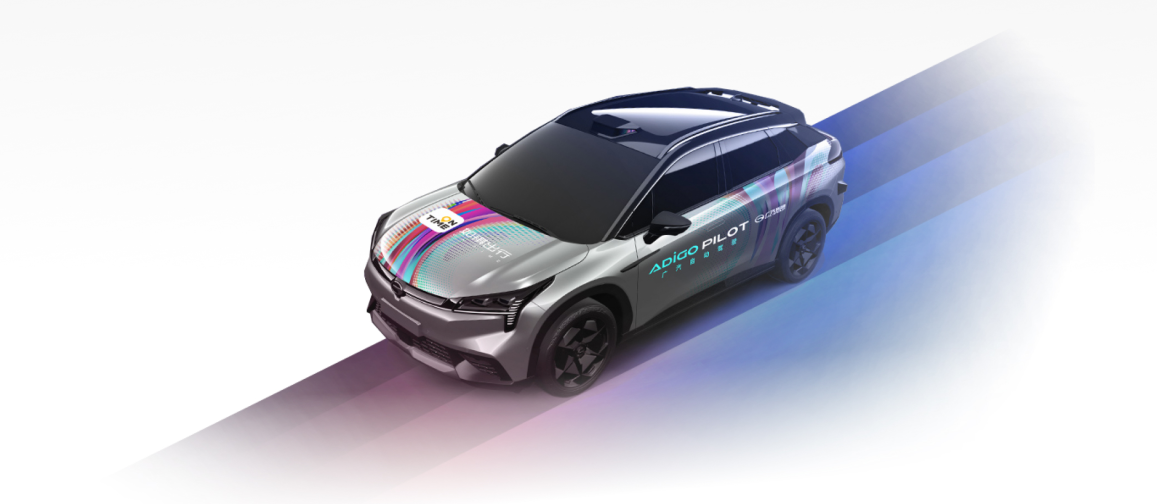
The GAC silhouette reads modern without shouting. Panels line up with a subtle stiffness that suggests quality; headlights cut a cool white line at night rather than a scattered glow. Against rivals from long-standing brands, GAC often trades conservative flair for a taut, composed stance. If you’re comparing curb appeal, look for:- how tightly doors and bonnet close (a crisp thud signals better assembly),- light quality at dusk (clean projector beams vs diffused reflectors),- wheel fitment and tire sidewall — lower-profile tires feel sportier but ride firmer on rough roads.
Interior textures and ergonomics: the sensory ledger
Sit inside and you judge a vehicle by touch. GAC’s interiors tend to offer matte plastics with soft points where hands rest; switchgear has a damped click that avoids cheap rattles. Compare that to older models from budget lines where knobs feel loose or gloss panels show fingerprints instantly. Key sensory checks:- steering rim texture and padding,- seat cushion give and edge support,- HVAC vents’ airflow—steady, quiet vents feel premium,- infotainment responsiveness; lag breaks the tactile illusion of quality.
Ride and mechanical demeanor: the honest truth
Drive tests reveal chassis temperament. GAC cars typically settle into a composed rhythm over city cobbles and the occasional pothole, absorbing knocks without an abrupt rebound. Acceleration is linear rather than theatrical — good for everyday hauling, less thrilling if you crave sport. Compare braking feel for confidence: progressive, non-grabby brakes win daily trust. If you commute long distances, prioritize steadiness and seat comfort over flashy sprint times.
Technology and convenience: useful or distracting?
GAC packages tech that feels aimed at straightforward use: intuitive menus, visible buttons for core functions, and sensible screen layouts. Look beyond features to their execution. A camera with a clear night image beats a dashboard full of gimmicks that lag or disconnect. For Ethiopian roads, a reliable reversing camera and sturdy air-conditioning matter more than a thousand connected apps.
Ownership realities in Ethiopia: service, parts, and resale
Buying a car here isn’t just about how it drives today; it’s about what happens after. Service coverage and parts availability limit many buying decisions. From my on-the-ground conversations at local dealers and repair shops, the pattern is clear: brands with growing dealer footprints make ownership less risky. Expect varying wait times for specific parts and check whether local technicians are trained on the exact model you want. Budget for basic maintenance rather than gamble on exotic service requirements.
Common buyer mistakes to avoid
Buyers often overvalue headline specs or underestimate everyday friction. Avoid:- choosing the flashiest trim without assessing seat comfort for long trips,- assuming every feature will work flawlessly on local networks (software updates sometimes need dealer assistance),- ignoring fuel type and pump quality — pick engines that tolerate varied fuel without fuss.A calm, sensory test drive will expose most of these pitfalls faster than glossy brochures.
Alternatives and how GAC stacks up
When you stack GAC against mainstream Japanese or Korean rivals, differences cluster around taste and local support. Japanese brands often win on proven longevity and dense service networks; Korean models can surprise with value-packed trims. GAC competes by offering modern design, pleasant interior textures, and competitive tech for the price point. If you value a composed ride and tactile quality in the cabin, GAC merits serious consideration; if you prioritize an extensive local parts network above all, double-check service coverage first.
Final synthesis
Decide by sensing: walk the exterior, sit long enough to judge seat foam, listen for drivetrain noises, and note how the controls respond. Compare those immediate impressions with practical factors like local service, part availability, and everyday use demands. That balance between how a car makes you feel and how it will behave over years is where choices become clear, and it’s why a measured comparison leads many buyers to include GAC among their shortlist rather than as a last resort.