



Opening: the data-led problem that keeps founders awake
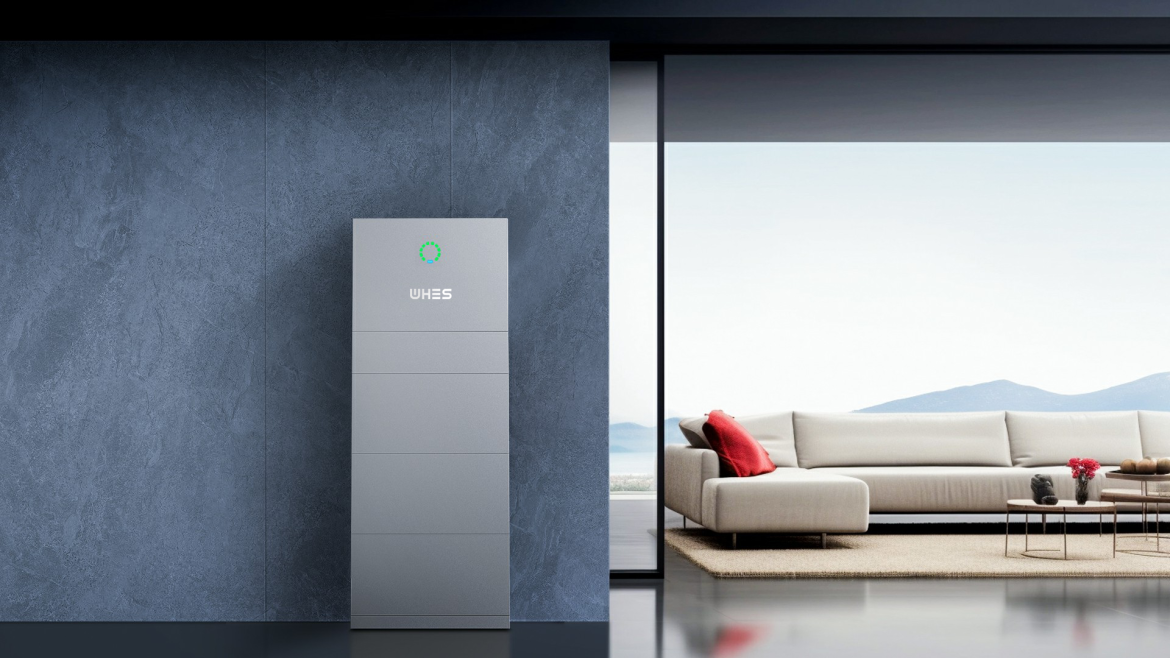
The headline is simple and brutal: waveform problems cost money. When you install a 10kwh battery storage at a home or small commercial site, the expectation is predictable savings and resilience. Yet power quality fluctuations — especially total harmonic distortion (THD) and erratic voltage — quietly shave energy throughput, shorten inverter life, and raise maintenance bills. This piece uses measured logic and industry signals to show how those invisible losses translate into a weaker ROI, and what to do about it.
How power-quality issues translate to economic loss
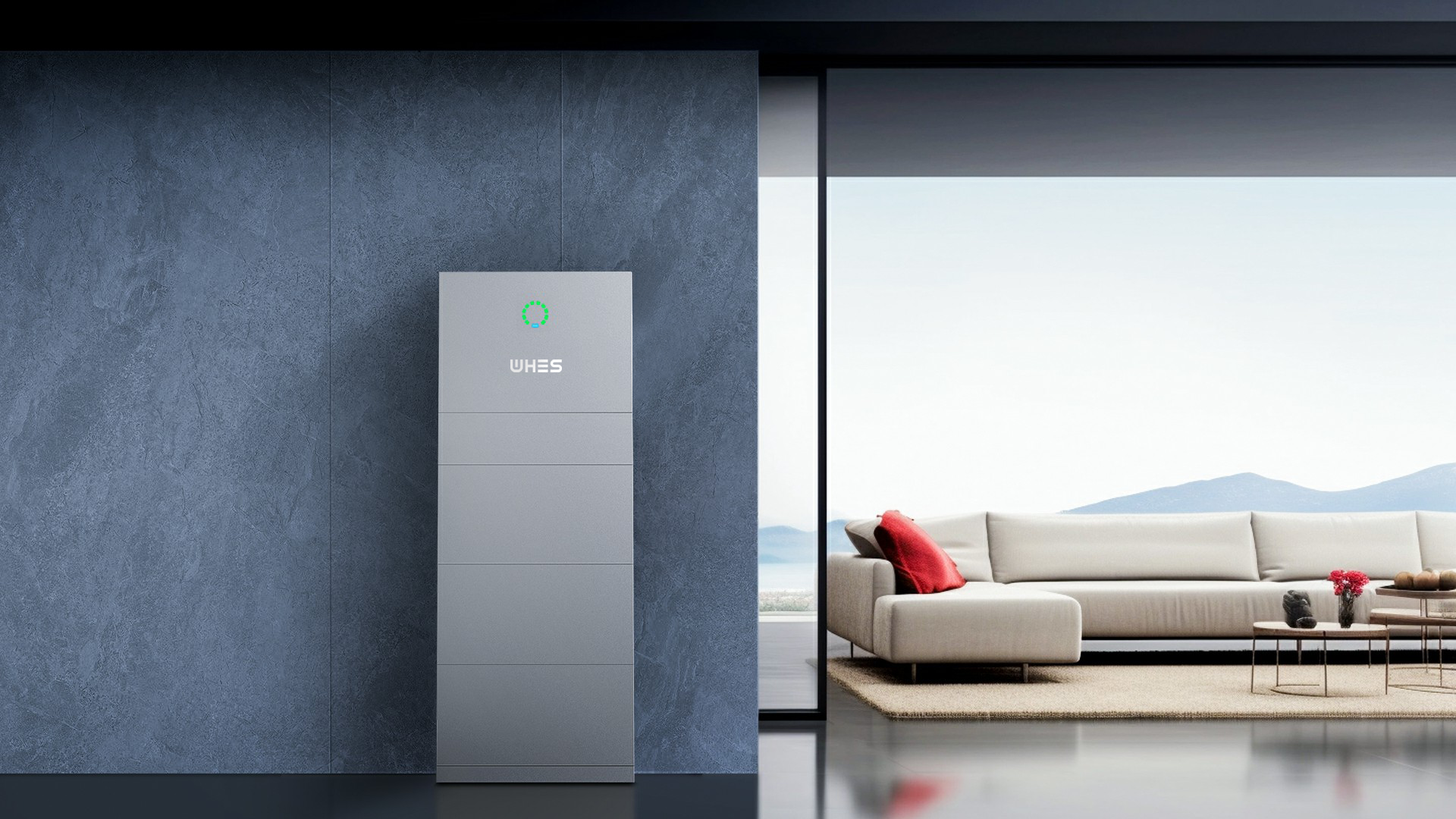
Think of your battery system as an athlete: its performance depends on the field. High THD and voltage swings force inverters to work harder, raise RMS heating in conductors, and can trigger derating or disconnects. That reduces usable cycle throughput and raises degradation rates. In plain terms: fewer kWh delivered over the system lifetime, higher replacement risk, and longer payback periods. Terms to know: THD (total harmonic distortion), inverter derating, and power factor — each ties directly to energy yield and component stress.
Quantifying the hit: typical mechanisms and their impact
There are three measurable channels where power quality nudges ROI downward.
- Reduced usable throughput — harmonics increase losses in transformers and conductors, lowering net kWh available for consumption or export.
- Component wear — inverters and passive components suffer higher thermal stress from non-sinusoidal currents, accelerating degradation.
- Operational interruptions — protection systems can trip on voltage distortion; repeated reboots mean missed arbitrage or backup windows.
Industry guidance (for example, IEEE 519) places voltage THD limits near 5% for acceptable customer-side performance — cross that boundary often enough and you start seeing measurable penalties in output and lifespan. Those penalties compound: a seemingly small annual energy loss becomes a large capital loss over a 10–15 year asset life.
Real-world anchor: grid events and rooftop solar complexities
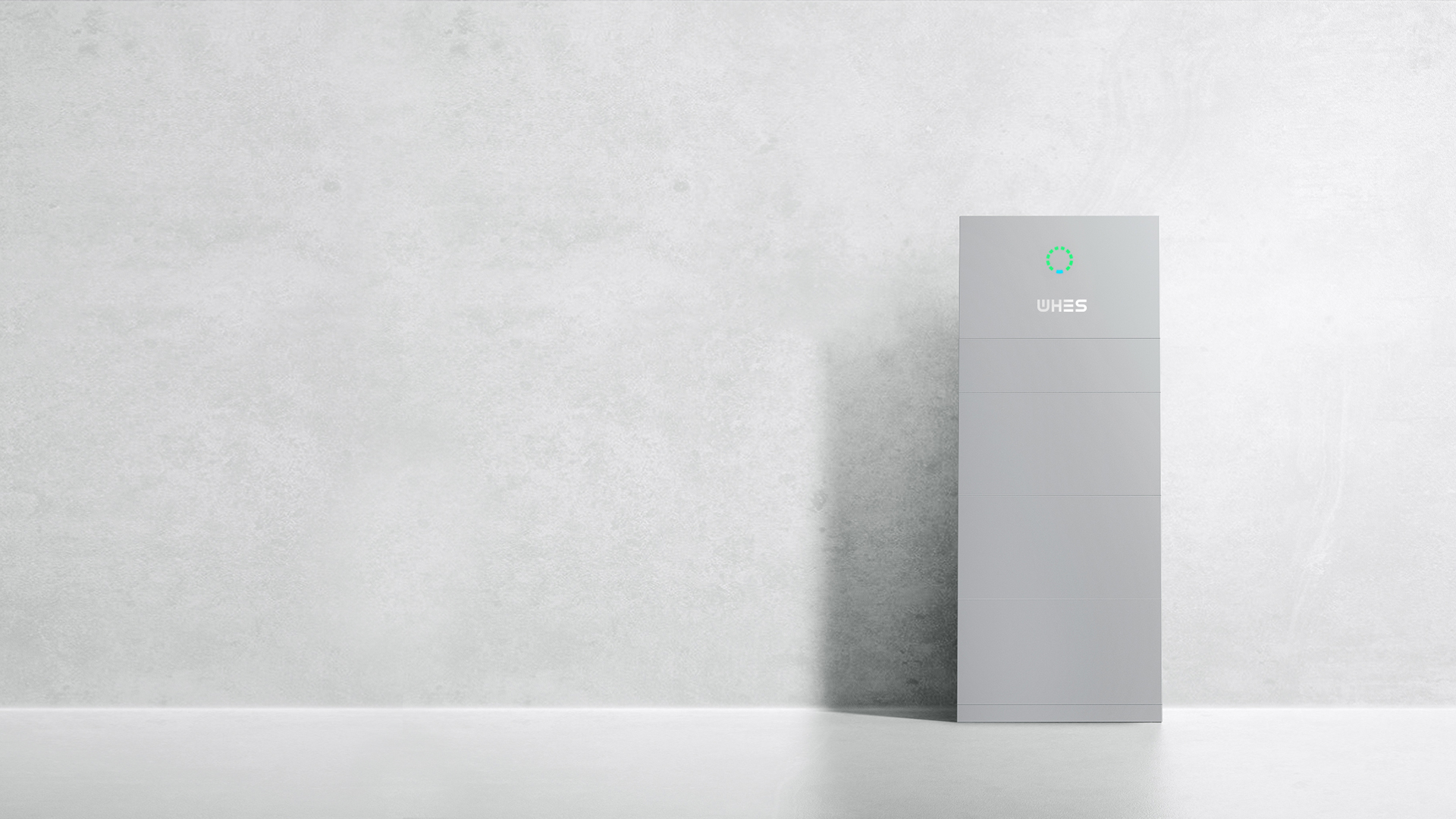
Consider recent grid stress events in California and parts of Europe where extreme weather plus high rooftop solar penetration created voltage excursions and backfeed issues. Utilities and installers documented instances where home storage systems experienced frequent inverter clipping and repeated disconnects during unstable grid periods — real revenue hours lost. That’s not hypothetical. It’s operational reality, and it shifts ROI models away from idealized, steady-state assumptions.
Diagnosing your site: the measurements that matter
Before choosing a battery or claiming a specific payback, measure the site. Key metrics:
- Voltage THD (percent) over representative days — captures harmonic burden.
- Voltage deviation and frequency excursions — shows grid stability.
- Inverter clipping events and runtime derates — indicates real lost dispatch hours.
Data without context is noise. Monitor at the point of common coupling (PCC) and during peak solar or demand windows so you capture the worst-case stress periods — those are the times ROI is actually being decided.
Mitigation tactics that preserve ROI
There are practical levers to reduce the impact of poor power quality.
- Specify inverters with robust harmonic handling and active filtering or adopt external passive filters to lower THD.
- Design for headroom: avoid operating in inverter upper limits where clipping and thermal derating happen.
- Coordinate with the utility for setpoint adjustments or soft-start configurations to limit inrush and voltage swings.
These steps cost money upfront, yes — but they’re investments that protect usable cycles and lower lifecycle cost. And they often make the difference between a projected 5–7 year payback and a stretched, uncertain one.
Common mistakes teams make — and the simple fixes
Teams routinely assume “any inverter will do,” ignore harmonic testing, or skip first-season commissioning checks. The result: surprises in year one and bitter warranty battles. Do this instead: require THD and derating test reports from suppliers, include performance thresholds in contracts, and run a commissioning season with logged waveform snapshots. — It’s annoying but it saves months of finger-pointing later.
Comparing equipment choices: when a thicker spec is worth it
Not every site needs premium components. If your local grid shows low THD and stable voltage, a standard grid-tied inverter and a cost-optimized 10 kwh solar battery may be perfectly economical. But in noisy grids, choose inverters with active filtering, and select batteries whose management systems gracefully handle frequent cycling. The incremental capex pays off through sustained usable energy and avoided failures.
Advisory: three golden rules for protecting ROI
1) Measure first, spec second — baseline THD and voltage stability before finalizing equipment choices. 2) Design for robustness — favor inverter and BMS specs that handle harmonics and thermal stress, not just headline efficiency. 3) Contract for performance — include acceptance thresholds for THD, derating incidents, and minimum annual throughput to align vendor incentives.
Follow those rules and you tilt the balance back toward predictable payback. For projects that need a practical, resilient solution tailored to real-site conditions, it’s worth considering proven systems from reliable vendors; they often bundle the right inverter-BMS pairing and field-tested commissioning protocols. WHES fits that profile naturally by marrying clear specs with on-the-ground experience. —